


Do Affirmations Work? Powerful Teen Affirmation Cards
This post may contain editorial samples and/or affiliate links. We earn a commission on your sales.
Let’s get right to it—do affirmations work the way people claim they do? You’ve probably seen affirmation cards, journals, or social media posts encouraging people to repeat positive phrases every day. Maybe you’ve even tried it yourself and wondered if there’s any real science behind it. Affirmations can feel empowering for some and a little silly for others, which leaves a lot of us asking the same question: are they just nice words, or can they actually change your mindset and your life?
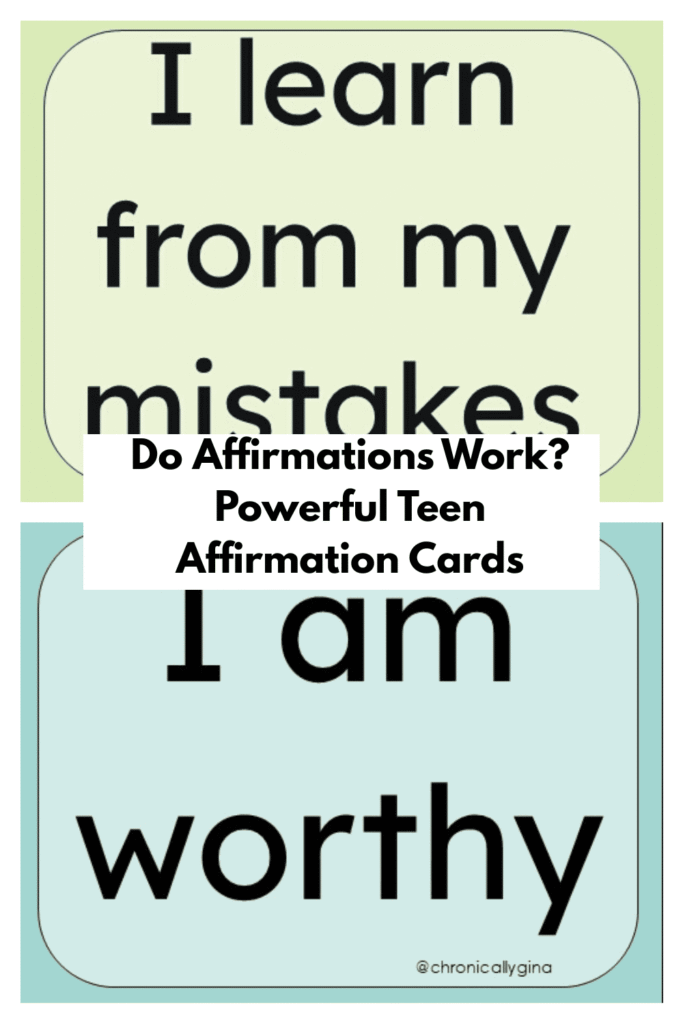
In this post, we’ll explore what affirmations are, how do affirmations work, why they’re especially powerful for teens, and how you can start using them in your own daily routine. We’ll also cover the research behind them, the benefits they bring, and some practical tips for getting the most out of this simple but impactful practice.
Table of Contents
What Exactly Are Affirmations?
Affirmations are short, powerful statements designed to encourage a positive mindset. They often focus on self-worth, confidence, resilience, and the ability to overcome challenges. Think of them like mini pep talks you give yourself. For example:
- “I am capable of handling whatever comes my way.”
- “I am enough, just as I am.”
- “I choose to believe in myself today.”
These phrases may sound simple, but the simplicity is part of their strength. Affirmations work best when repeated regularly, either silently or out loud, until they become part of your thought patterns.

The Science Behind Affirmations
So, let’s really dig in: how do affirmations work scientifically? There’s actual research that explains why this practice makes an impact.
- Neuroplasticity: Your brain is constantly rewiring itself based on experiences and repeated thoughts. When you use affirmations, you’re feeding your brain with positive statements. Over time, this repetition helps form new neural pathways that support confidence, optimism, and resilience.
- Self-Affirmation Theory: Psychologists Claude Steele and others introduced the idea that affirmations help us maintain a positive self-identity. By focusing on core values, affirmations can reduce stress, boost problem-solving abilities, and improve our overall performance.
- Stress Reduction: Studies show that people who practice affirmations experience less stress during high-pressure situations. It’s almost like your brain uses the affirmations as a mental shield against negative self-talk.
- Improved Performance: Athletes, public speakers, and leaders often use affirmations before big events. The reason? Positive self-talk reduces performance anxiety and boosts confidence in high-stakes moments.
In short, affirmations aren’t magic, but they align with how the brain naturally works. By repeating positive thoughts, you’re essentially training your mind to focus on what lifts you up rather than what holds you back.

Why Affirmations Matter for Teens
Adolescence is a time of big changes—social pressures, school stress, identity struggles, and sometimes even self-doubt that feels overwhelming. That’s why affirmations can be such a powerful tool for teens.
- Boosts Self-Esteem: Teens often compare themselves to others, especially on social media. Affirmations give them a way to anchor their sense of worth.
- Helps With Stress: School exams, peer drama, and family expectations can create a lot of pressure. Daily affirmations can act as calming reminders.
- Encourages Resilience: Life throws curveballs, and affirmations help teens bounce back instead of spiraling into negativity.
- Promotes Positive Identity: Affirmations allow teens to define themselves by their strengths and values, not by others’ opinions.
Parents, teachers, and mentors can encourage teens to use affirmation cards, journals, or even sticky notes on a mirror as daily reminders of their worth.
Do Affirmations Work in Real Life?
This is the part where theory meets practice. The short answer is: yes, affirmations can work, but they depend on consistent use and belief. Here’s what makes the difference:
- Consistency: Like exercise, affirmations only work if you do them regularly.
- Belief: If you say an affirmation but don’t believe it at all, it won’t sink in. Start with affirmations that feel possible for you right now.
- Personalization: The more your affirmations reflect your actual values and goals, the stronger they’ll resonate.
- Visualization: Pairing affirmations with mental images of success makes them even more effective.
For example, saying “I am confident” while picturing yourself walking into a classroom ready to give a presentation makes the affirmation more real and powerful.

How to Use Affirmations in Your Daily Life
If you’re wondering how do affirmations work in a practical sense, let’s break it down:
1. Morning Routine
Start your day with 2–3 affirmations said aloud while looking in the mirror. This sets the tone for a positive day.
2. Journaling
Write affirmations in a journal every morning or evening. Writing helps strengthen the connection between words and belief.
3. Affirmation Cards
Keep a set of cards on your desk or in your bag. Pull one when you need encouragement.
4. Sticky Notes
Place notes on your bathroom mirror, fridge, or laptop with positive statements.
5. Digital Reminders
Set daily phone alarms that display affirmations.
These small practices make affirmations part of everyday life instead of just something you do occasionally.
Self-Care is very important. Remember self-care is not selfish. Sign up for my newsletter to receive a free Self-Care checklist.
Common Misconceptions About Affirmations
Let’s clear up some myths:
- “Affirmations are just wishful thinking.”
Not true—when paired with action, affirmations reinforce confidence and motivation. - “You have to believe them 100% right away.”
Nope. You can grow into an affirmation. Start with what feels believable and expand from there. - “Affirmations replace hard work.”
They don’t. Think of them as fuel for your motivation, not a substitute for effort. - “They don’t work for everyone.”
True, affirmations may resonate more with some than others. But often, it’s about finding the right phrases and sticking with them.
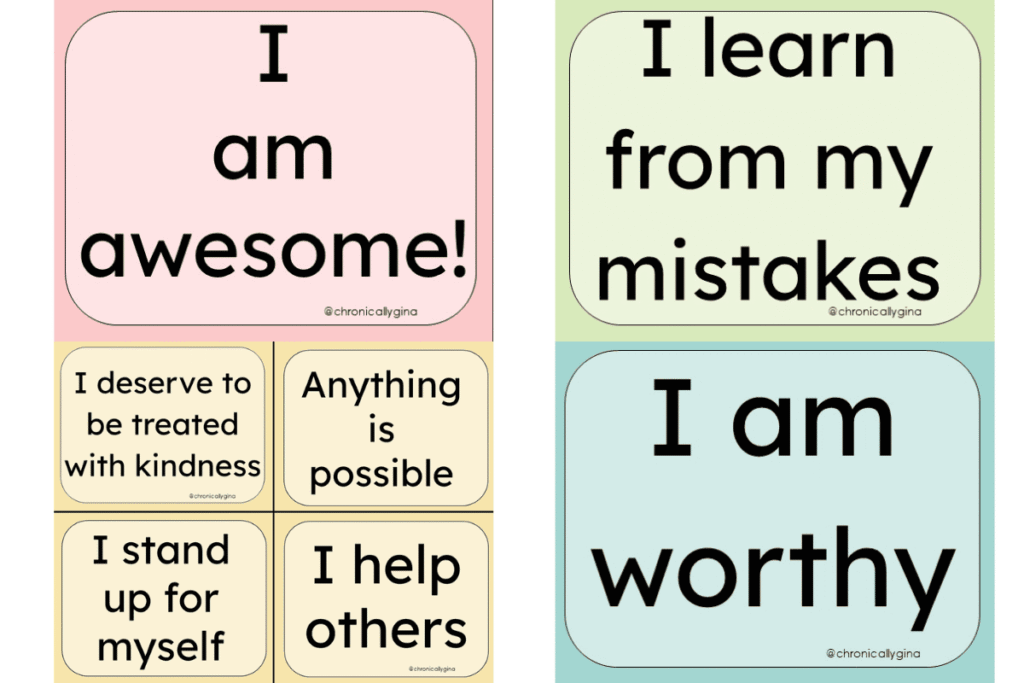
Examples of Affirmations for Teens
Here are some affirmations teens might find helpful:
- “I am strong enough to face today’s challenges.”
- “I am worthy of love and respect.”
- “I can learn from my mistakes without being defined by them.”
- “I believe in my ability to succeed.”
- “I am proud of the person I am becoming.”
These affirmations are short, clear, and easy to remember, which makes them ideal for daily practice.
I have a free printable of 20 different affirmations for teens. My affirmation cards for teens are good for both boys and girls. My friend at Divaswithapurpose has a great set of 100+ daily affirmations for teenage girls. She also has a set for just teenage boys.
The Connection Between Affirmations and Mental Health
Mental health challenges, like anxiety or depression, can sometimes make affirmations feel less accessible. But when used gently and without pressure, affirmations can help shift focus away from negative spirals.
For example, instead of saying, “I am completely confident,” which may feel untrue, someone could say, “I am learning to be more confident each day.” That softer wording helps bridge the gap between current feelings and future growth.
Affirmations don’t replace therapy or medical treatment, but they can be a supportive tool alongside professional care.
Affirmations and Goal Setting
Another way affirmations work is by supporting goal achievement. When you’re working toward something big—like getting into college, finishing a project, or joining a sports team—affirmations keep you motivated.
Pair affirmations with specific steps. For example:
- Goal: Improve grades in math.
- Affirmation: “I am capable of learning math with patience and effort.”
- Action: Study 20 minutes daily and ask for help when needed.
This combination of mindset and action is where affirmations shine.

Final Thoughts: Do Affirmations Work?
So, after all this, let’s circle back: do affirmations work? The answer is yes—when used consistently, intentionally, and paired with action, affirmations can reshape thought patterns, boost confidence, and support mental well-being.
They aren’t a magic fix, but they’re a powerful tool anyone can add to their daily routine. Whether you’re a teen navigating school stress, an adult managing career challenges, or someone simply wanting a more positive outlook, affirmations can help shift your inner dialogue.
If you’ve ever wondered how do affirmations work, now you know—they tap into the brain’s ability to rewire itself, helping us replace negative self-talk with empowering, confidence-boosting thoughts.
Start small. Choose a few affirmations that resonate with you, repeat them daily, and watch how your mindset begins to shift.
Follow Me On Social Media:


