IBS Attack Symptoms: What Should You Look Out For
This post may contain editorial samples and/or affiliate links. We earn a commission on your sales.
IBS Attack Symptoms: What Should You Look Out For
If you are reading this article, you may be one of the millions of people who suffer from IBS attacks. Symptoms can range from mild to severe, but they all share a general feeling of discomfort and pain in your stomach. Fortunately, there are many treatments available for IBS attack symptoms so that sufferers can get relief and live more comfortably. If you have been experiencing any symptoms like diarrhea or constipation lately then it is important to see a doctor as soon as possible because these can be signs of other serious health issues. Read on for information about what to look out for when suffering from an IBS attack!

Table of Contents
What is IBS?
Irritable bowel syndrome (IBS) is a functional gastrointestinal disorder that can cause symptoms like diarrhea, pain in the abdomen, or constipation. It affects as much as 20% of the population and it usually starts at some point between adolescence and age 50 years old. The exact causes for IBS are not known but there are many factors that seem to contribute, like changes in diet and stress.
IBS is not a disease that can be prevented but it usually subsides by itself within six months of onset. It does require treatment though because the symptoms are unpleasant for those who suffer from them. People with IBS should always make sure to drink plenty of fluids, get enough exercise (although not too much as that may worsen the symptoms), and eat a healthy diet.
IBS Attack Symptoms
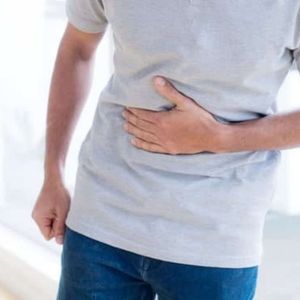
Irritable Bowel Syndrome can cause many problems with your stomach. For example, you might not be able to eat certain types of food. This might be frustrating, but it is good to know what you might experience given that diagnosis.
It is hard to know if you have Irritable Bowel Syndrome. It might not show up until you have symptoms.
- Chronic pain is when the body feels pain for a long time.
If you have chronic pain in your stomach, it might be because there is inflammation in your intestines or the passage of waste through your body.
Anything that touches the inflamed tissue of your organs will cause pain. Eat soft foods like yogurt or applesauce to make it easier for you to digest food.
- Sometimes people need to go to the bathroom really badly.
Some people who have Irritable Bowel Syndrome have trouble using the bathroom. This can be hard if they are busy or traveling with children. Writers or editors may also have problems because they must sit at a desk all day.
Many people who get the chance to take a break from their responsibilities also report that they don’t feel finished.
- Some women might have more feelings during their menstrual cycle.
Women with IBS often experience symptom intensification during their menstrual cycle, which can lead to even greater frustration.
Studies have even suggested that women who suffer from some gynecological disorders are more prone to developing some form of IBS.
Causes of an IBS attack
IBS can have various causes, including
- Stress
Chronic stress is one of the many causes. It triggers a stress response in your body, which can affect digestion and lead to an attack.
- Certain foods or beverages
Drinking too much coffee can trigger IBS symptoms as well.
- Infections like food poisoning or stomach flu
These infections are common culprits for IBS attacks because they irritate your intestines.
- A change in routine or diet
When you are not getting enough sleep, traveling for work, having a baby, or going through menopause you may experience IBS symptoms.
- Medical conditions such as celiac disease
- Medications that can cause IBS-like side effects including antibiotics and antidepressants

Treatment options for an IBS attack
There are a number of treatment options for an IBS attack. Some people will find that their symptoms can be treated with dietary changes, while others may require medication. The type of prescribed medication is tailored to the individual and their particular needs. There are over-the-counter medications as well as prescription drugs available to help ease your symptoms during and after an IBS attack.
Stomach pain relief medication, such as:
- Pepto Bismol
- Gaviscon Extra Strength Liquid (do not use if you have or are suspected of having ulcers)
- Metoclopramide Hydrochloride (Reglan)
Prevention methods for future attacks of IBS
Since there is no cure for IBS, prevention methods are the best way to avoid future attacks. These include lifestyle and diet changes that can reduce symptoms in people who have been diagnosed with a functional gastrointestinal disorder such as IBS.
Some of these preventative measures may involve reducing trigger foods (those which increase gut inflammation), stress relief, and increasing fiber intake.
- Reduce trigger foods that may cause inflammation in the gut.
- Stress relief techniques such as meditation, massage therapy, and breathing exercises can help reduce excess stomach acid associated with IBS.
- Increasing fiber intake is recommended for people who have been diagnosed with IBS to relieve constipation symptoms. However, too much fiber consumption could lead to diarrhea and worsen symptoms.
- Generally, people who suffer from IBS should drink plenty of fluids (more than eight glasses a day) in order to avoid dehydration as it can increase cramping, constipation, diarrhea, and other problems related to this disorder.

What are some IBS Trigger Foods?
IBS is often triggered by certain types of foods. These are usually high fiber, spicy foods, and dairy products (due to lactose intolerance). The following list includes some common IBS trigger foods:
- Oats: are often a trigger food for people with IBS because the carbohydrates in oats are less easily digested by some individuals.
- Wheatberries: wheat and other grains can be difficult to digest, causing gas or diarrhea in those who have an intolerance.
- Pumpkin seeds: are often a trigger food for people with IBS because pumpkin is high in fiber and doesn’t contain any lactose or other dairy products.
- Lentils: don’t have to be soaked before being cooked, which can help reduce the amount of gas they produce when digested by those with an intolerance.
- Almonds: are a good alternative for those who have an allergy or intolerance to peanuts. Almonds are high in fiber and protein, but low in fat content.
- Peanuts: don’t need to be soaked before being cooked, which can help reduce the amount of gas they produce when digested by those with an intolerance.
The following are some more foods that people with IBS should avoid:
Coffee, tea, and carbonated beverages; high fiber vegetables like broccoli and cauliflower; spicy foods such as hot sauce or curries. There is no one specific diet for treating Irritable Bowel Syndrome that will work for everyone.

Tips to help with the pain and discomfort during an IBS flare-up
- Drink plenty of fluids to avoid dehydration.
- Stay at a healthy weight and eat more soluble fiber like oats, vegetables, or apple sauce.
- Soluble fiber binds with water in the gut to form a gel-like substance that can help relieve constipation and soothe stomach discomfort.
- Avoid high-fat foods which may worsen diarrhea symptoms.
- Eat smaller, more frequent meals to help ease discomfort.
- Avoid foods that are high in sugar or fat for a while and see if your symptoms improve.
- Ask your doctor about other medications you can take to relieve IBS pain and discomfort caused by constipation or diarrhea.
IBS symptoms are common and can be managed with diet, exercise, stress management therapies, and medication. People who have IBS should talk to their doctor about the best way they can live a healthy lifestyle without giving up foods that make them feel better or worse.
IBS is a common condition that, with the help of doctors and other medical professionals, can be managed. People who have IBS should talk to their doctor about the best way they can live a healthy lifestyle without giving up foods that make them feel better or worse.
If you suffer from IBS-related symptoms such as cramping, diarrhea, or constipation please contact your physician.
Follow Me On Social Media: