
The Link Between Stress And Physical Health
This post may contain editorial samples and/or affiliate links. We earn a commission on your sales.
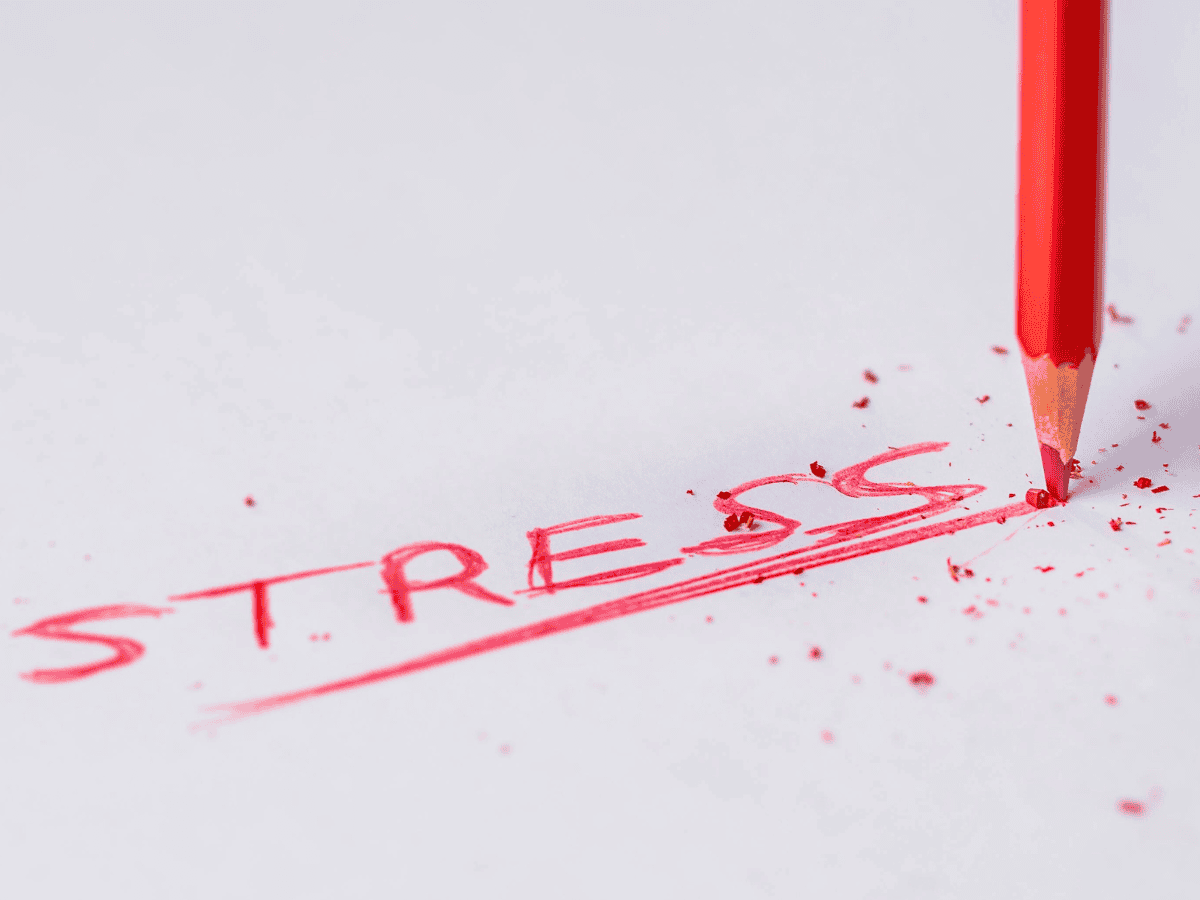
People often think of stress as something that just lives in the mind, like worry or racing thoughts, but the truth is, stress doesn’t stay neatly in your head, and it shows up everywhere in the body, sometimes in ways you wouldn’t expect. That’s why understanding the link between stress and physical health is so important, because pretending they’re separate is what gets people into trouble. With that in mind, keep reading to find out more.
Table of Contents
How Stress Works In The Body
When stress kicks in, the body goes straight into fight-or-flight mode, and hormones like cortisol and adrenaline rise, heart rate speeds up, and muscles tighten. For short bursts, that reaction is useful – it helps you cope with sudden pressure. But when stress hangs around too long, the body never fully switches off, and that constant pressure starts to wear down systems that are meant to protect you.
Everyday Signs of Stress and Physical Health People Ignore
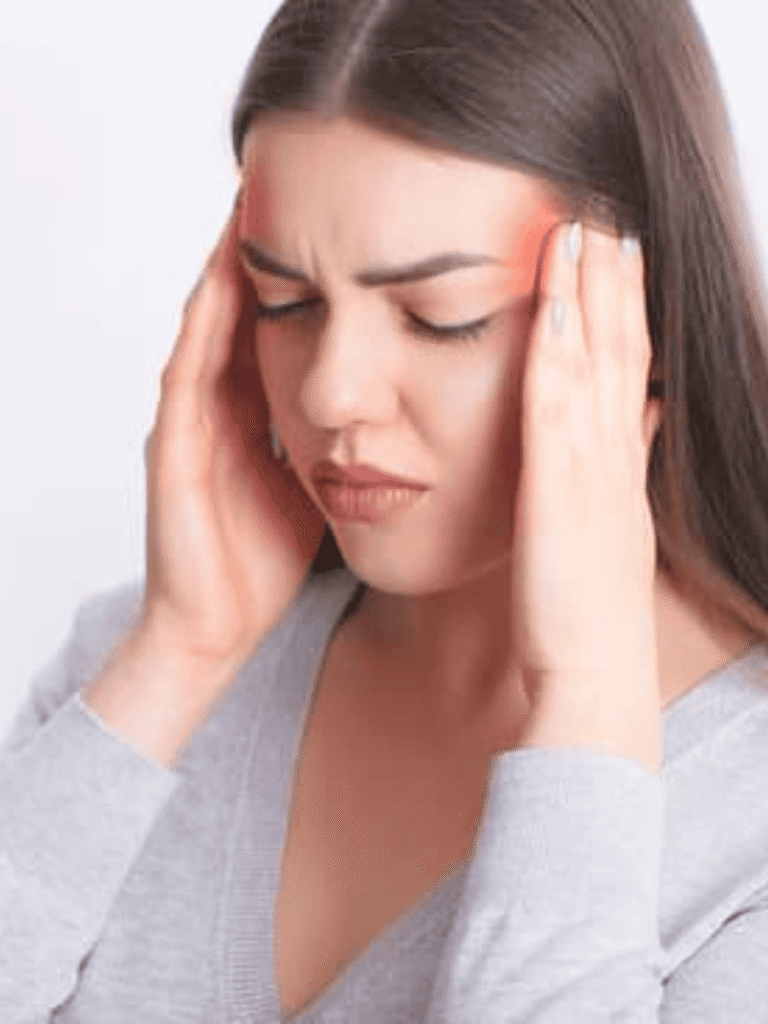
A lot of physical complaints are actually rooted in stress, including things like headaches that won’t go away, trouble sleeping, and muscle aches with no clear reason. Even digestion issues can flare up during stressful times. And because stress throws the nervous system off balance, it can even cause problems like dizziness or poor coordination. That’s why places such as a balance and dizziness center sometimes see patients whose symptoms are partly triggered by prolonged stress rather than a single medical condition.
Here are 5 clear examples of how stress shows up in physical health:
- Headaches and Migraines – Stress can cause blood vessels to tighten and muscles to tense up, often leading to tension headaches or triggering migraines.
- Digestive Problems – The gut is highly sensitive to stress hormones, which can cause bloating, indigestion, stomach cramps, diarrhea, or constipation.
- Weakened Immune System – Ongoing stress lowers your body’s ability to fight off illness, making you more likely to catch colds or infections.
- Muscle Tension and Pain – Stress often causes stiffness in the shoulders, neck, and back, which can lead to chronic pain if it isn’t managed.
- Sleep Disruptions – Anxiety and overthinking at night can make it hard to fall asleep or stay asleep, leading to fatigue and reduced focus during the day.
Long-Term Risks
Chronic stress isn’t just uncomfortable – it can be dangerous because over time, high cortisol levels can raise blood pressure, weaken the immune system, and increase the risk of heart disease. Stress can also make existing conditions worse, from asthma to skin problems and in the end, the body isn’t built to stay in a state of constant alarm, and eventually, it starts breaking down.
Self-Care is very important. Remember self-care is not selfish. Sign up for my newsletter to receive a free Self-Care checklist.
Why Awareness Is Important
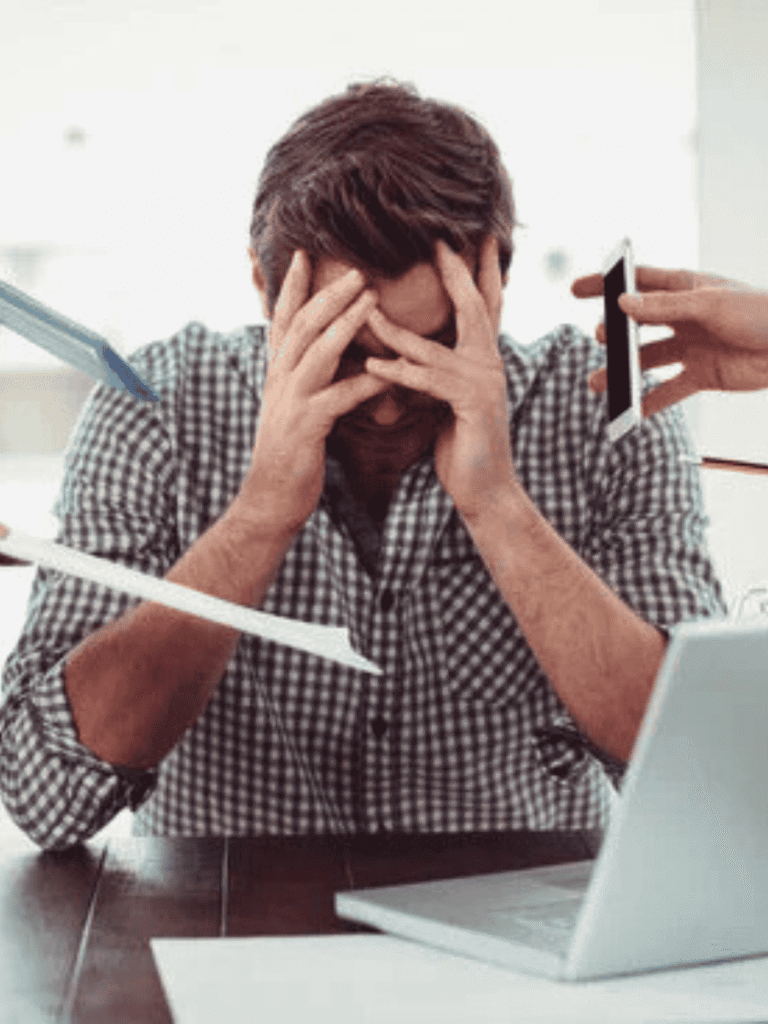
One of the biggest challenges with stress is that people get so used to it, they stop noticing it’s even there, and feeling tired, achy, or run-down becomes the new normal. But bodies are always giving signals, and learning to recognise them is the first step to changing things, and if more people treated stress the same way they treat diet or exercise, they’d probably see fewer health issues building up in the background. Paying attention doesn’t solve everything overnight, but it does shift the focus from reacting to problems later, to preventing them before they grow.
Small Steps That Make A Difference
The good news is, reducing stress doesn’t always need huge lifestyle changes, and small routines like daily walks, breathing exercises, limiting screen time before bed, or setting clear work boundaries can all lower the load on the body. Even just recognising stress signals early, like jaw clenching or a tight chest, helps you pause and reset before things escalate.
Final Thoughts
Stress will never disappear completely, but it doesn’t need to take control either, and paying attention to how it shows up in the body gives you the chance to respond sooner and protect your health in the long run.
At the end of the day, stress is a part of life, but it doesn’t define your health or your happiness. By learning to listen to your body’s signals and giving yourself permission to slow down, you create space for healing and balance. Remember, even the smallest steps—like pausing for a breath, moving your body, or making time for rest—can make a big difference. You are stronger than the stress you face, and with a little awareness and care, you can move forward feeling more grounded, calm, and in control.
Follow Me On Social Media:


