


Why Sleep Deprivation Is Dangerous
This post may contain editorial samples and/or affiliate links. We earn a commission on your sales.
We’ve all heard that a good night’s sleep can improve our mood, but does it actually serve a vital role in good health and our general well-being?
Turns out, yes it does.
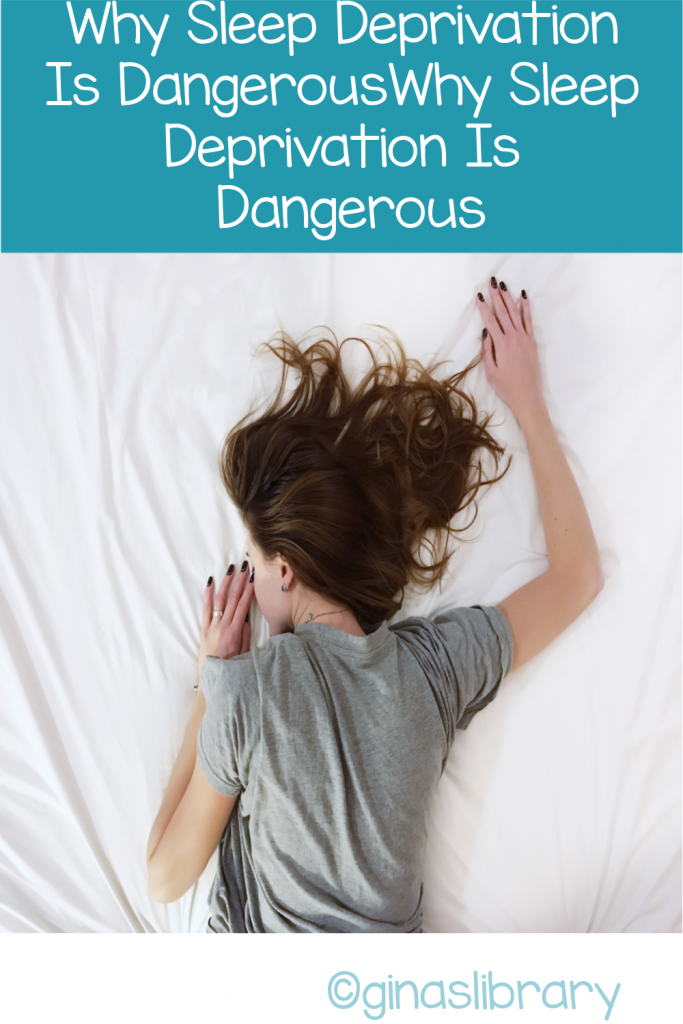
Scientists have long postulated that sleep plays an important role in healing our bodies, regulating our body chemistry, and helping our mind recuperate from stress, but it’s only in the past decade or so that they’ve backed up their theories with hard facts. Years of experiments have yielded amazing results that show how getting the right amount of quality sleep can greatly increase your quality of life, improve your physical health, and even help you maintain positive mental and emotional health.
Unfortunately, there are still some people who insist that they can go through life with getting less than the recommended amount of sleep. While you can still certainly function without 7-8 hours (the recommended amount of sleep for adults) of sleep, it wouldn’t be the best for you in the long run. In fact, as helpful as sleep is to our overall well-being, sleep deprivation can be as damaging.
Sleep deficiency can have drastic effects on our body, some instant (like falling asleep while driving), while some can have delayed, but still devastating, effects (obesity, depression). In fact, sleep deprivation is actually used by some militaries as a torture tool. It has since been banned by the United Nations, but it goes to show you how sleep deprivation can literally kill you.
But is it really that bad?
Table of Contents
Adverse Effects on Physical Health
Sleep plays a vital role in healing your body from physical fatigue. During sleep, your body starts repairing blood vessels, torn tissue, and even regulates hormones. In a multi-year study, scientists found a direct link between sleep deficiency and an increased risk of developing serious heart conditions, stroke, abnormally high blood pressure, kidney disease, and even diabetes.

Because sleep deficiency hampers your body’s hormonal regulation process, it’s also been linked to obesity. In a study of teenagers below 18, scientists found that that the odds of developing obesity went up exponentially for every hour of sleep the teens lost. What’s more disturbing is that they found this to be true for all age groups (albeit more pronounced in teenagers).
Scientists found two chemicals that are responsible for this phenomenon: ghrelin and leptin. Ghrelin is a hormone that tells your body that it needs nutrients, i.e. it’s the chemical that makes you feel “hungry”. Meanwhile, leptin is the hormone that tells your body that it no longer needs nutrients, i.e. the chemical that makes you feel “full”.
During sleep, our body can devote some of its time to balancing out these two hormones, thereby keeping your appetite in normal levels. Without sleep, however, your body is unable to balance it out, causing a surge in ghrelin levels and a drop in leptin, making you feel hungry despite just having eaten.
Aside from this, sleep also helps your body react better to insulin, the hormone that’s responsible for regulating blood sugar levels. Without enough sleep, your body will be unable to process sugar properly, thus resulting in higher blood sugar levels. This, in turn, drastically increases your risk of developing diabetes.

In teenagers and children, a proper night’s sleep is responsible for triggering certain growth hormones that boost muscle mass, creating new tissues, and encourages bone growth. A lack of sleep during childhood and teen-hood can negatively affect physical development.
In adults, sleep deficiency can hinder your body’s natural healing process. During the day, our bodies undergo micro-traumas that create microscopic scars in our muscles. This is what causes that “tired” feeling in our joints and limbs. Without sleep, your body is unable to repair this damage, thus keeping you feel fatigued.
Why Sleep is Important for Both Body and Mind
There’s a reason you feel mentally sharp, and emotionally positive after a good night’s sleep: during sleep, your brain starts creating new neural pathways that help your memory and information retention centers operate better.

Decades of study have shown that getting proper sleep after learning a new set of skills can drastically increase the chances of you retaining that new information. During the day, your brain stores new information in a particular region. For the information to be retained, it has to go into the brain’s memory center. It does this during sleep, which is when neural pathways, i.e. the roads that the information travels on, are created, linking your short-term and long-term memory centers, as well as engaging your problem-solving centers.
Conversely, sleep deprivation can negatively affect memory, information retention, problem-solving, and even decision making. Studies show that a consistent lack of sleep makes patients less likely to be decisive, less likely to solve problems, and more likely to develop depression, risk-taking behavior, and, in some extreme cases, engage in suicidal or self-harming behaviors.
Physical and Mental Fatigue
According to various doctors like Dr. Alex Anastasiou – a psychiatrist from the East Bay area, sleep deficiency can be a symptom of mental health issues. In fact, many mental health care providers agree that a majority of sleep deficiency issues in people stem from some psychological turmoil that the patient may or may not be conscious of.
If you’ve done everything to soothe yourself physically, yet still find it difficult to get a good night’s sleep, it’s high time that you visit your therapist to find out what is really preventing your sleep.
Follow Me On Social Media: