

Foods Harmful to Kidneys: Smart Choices for Better Health
This post may contain editorial samples and/or affiliate links. We earn a commission on your sales.

Living with chronic kidney disease can feel overwhelming, especially when you’re trying to figure out which foods are helping and which ones might be working against you. The good news? You don’t have to overhaul your entire diet overnight. Learning about the foods harmful to kidneys is one of the most effective ways to make informed choices that support your health, one meal at a time.
Table of Contents
Living with Kidney Disease Doesn’t Mean Living in Fear
When I was first diagnosed with Stage 3 chronic kidney disease, one of the hardest parts wasn’t the diagnosis itself. It was trying to figure out what I should actually eat.
Every website seemed to have a different list.
One article said a food was perfectly fine. Another told me to avoid it completely. Then I started looking at nutrition labels and realized there were ingredients I had never even heard of.
If you’ve ever felt confused by all the conflicting advice, you’re not alone.
The truth is that many foods harmful to kidneys aren’t necessarily obvious. Some of the biggest concerns are hiding inside processed foods, canned meals, sauces, seasoning packets, and convenience foods that seem harmless at first glance.
That doesn’t mean you have to become afraid of every trip to the grocery store.
Instead, think of this article as your guide to learning what to watch for so you can build a kidney-friendly diet that feels realistic, enjoyable, and sustainable.
Remember, every person’s kidney disease is different. The recommendations in this article are meant for general education and should never replace the advice of your nephrologist or registered renal dietitian.
What Makes Certain Foods Harmful to Kidneys?
Your kidneys have an important job.
Every day they filter waste, balance fluids, regulate minerals, and help keep your body functioning properly. When kidney function declines, those jobs become more difficult.
That means certain foods can place extra stress on the kidneys because they contain higher amounts of nutrients your kidneys may struggle to process.
Some of the biggest concerns include:
- Excess sodium
- Phosphorus additives
- Too much added sugar
- Highly processed ingredients
- Excess saturated fat
- Large amounts of protein (for some individuals)
- Potassium-rich foods (depending on your lab values and stage of CKD)
It’s important to remember that not every person with chronic kidney disease has the same dietary restrictions.
For example, some people need to monitor potassium closely, while others don’t. The same goes for phosphorus and protein.
That’s why it’s so important to understand your lab work and follow the recommendations from your healthcare team.
If you’re still learning what all those numbers mean, you may also enjoy reading Kidney Disease Lab Values Made Simple: Your Essential Guide, where I break down common kidney lab tests into plain English.
1. Processed Foods
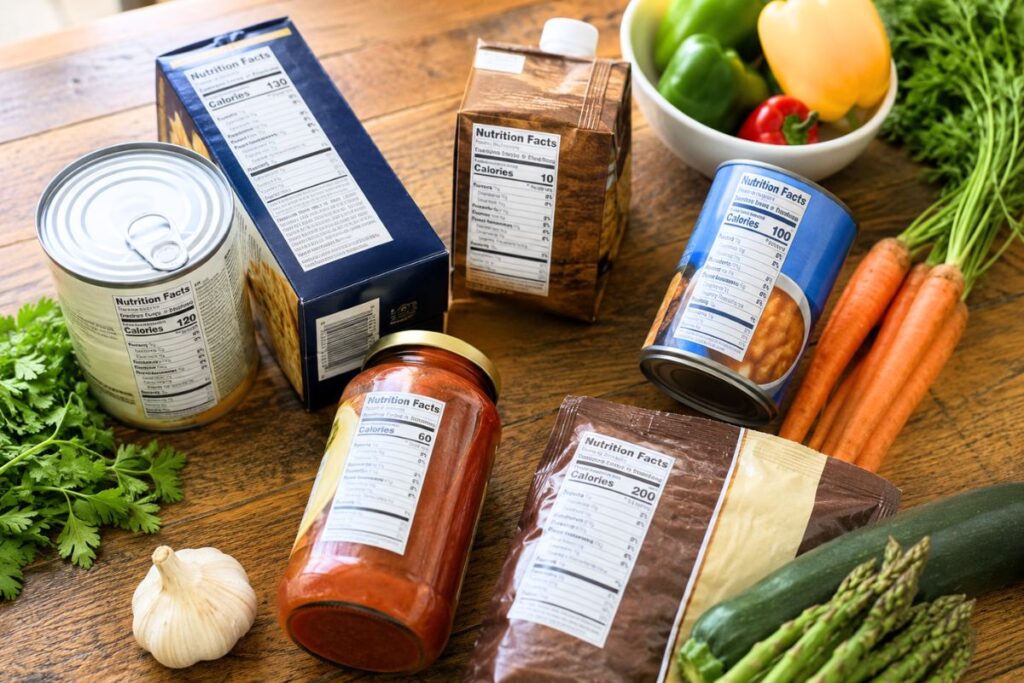
One of the biggest categories of foods harmful to kidneys is processed food.
These are foods that have been altered from their original form and often contain preservatives, flavor enhancers, sodium, and additives that help extend shelf life.
Examples include:
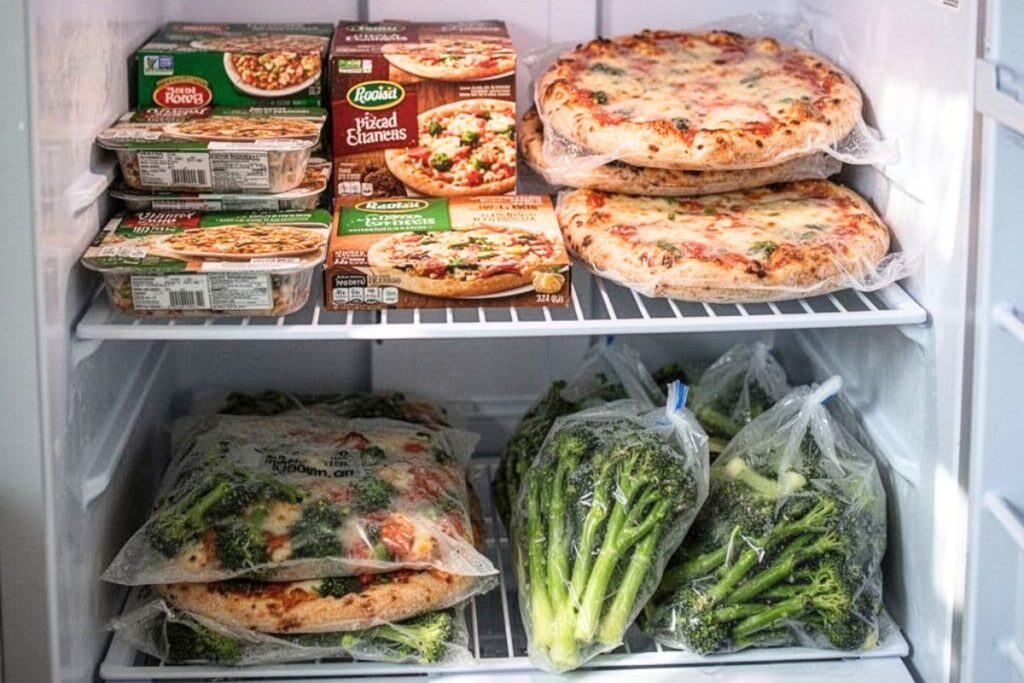
- Frozen dinners
- Boxed meal kits
- Instant noodles
- Packaged pasta dishes
- Frozen pizzas
- Convenience meals
- Microwave meals
Many of these products contain far more sodium than you might expect.
While they’re convenient on busy days, regularly relying on them can make it much harder to follow a kidney-friendly diet.
Better choices
Instead of eliminating convenience altogether, look for options that are:
- Lower in sodium
- Made with fewer ingredients
- Fresh or frozen without added sauces
- Easy to customize at home
Even simple swaps can make a noticeable difference over time.
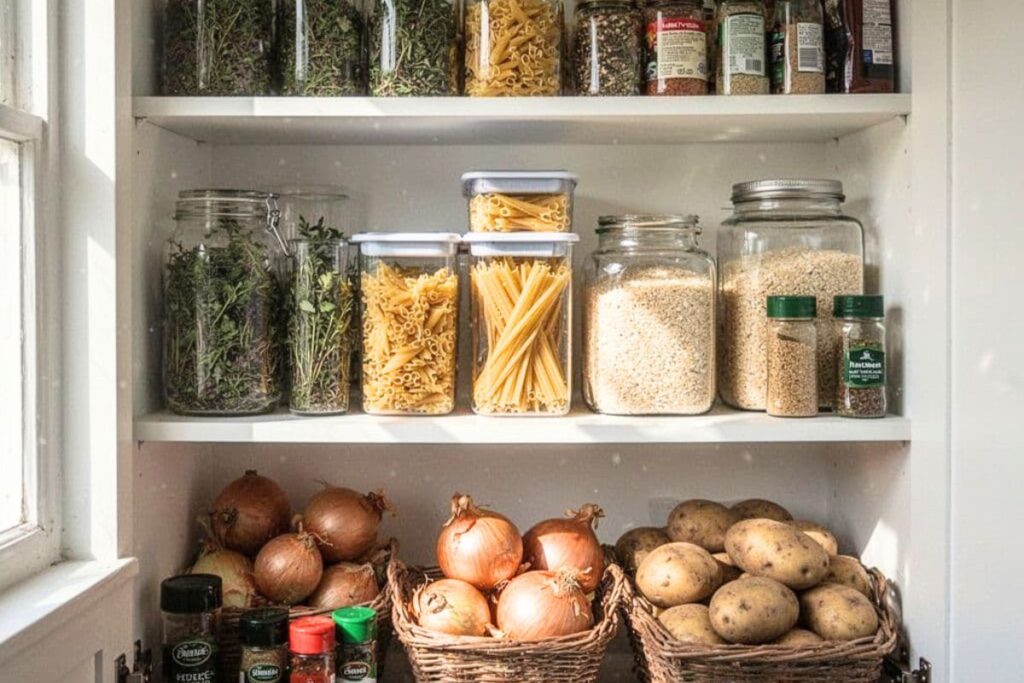
2. Hidden Sodium Is Everywhere
When people think about sodium, they usually picture a salt shaker.
But the reality is that most sodium comes from packaged and restaurant foods—not from the salt you add yourself.
That’s why sodium is one of the biggest concerns when talking about foods harmful to kidneys.
Common hidden sources include:
- Bread
- Sandwich buns
- Tortillas
- Breakfast sandwiches
- Deli meats
- Cheese
- Pasta sauces
- Jarred gravies
- Condiments
- Pickles
- Crackers
- Boxed rice mixes
- Frozen vegetables with seasoning
- Canned vegetables
- Canned soups
Some foods don’t even taste salty, making them especially easy to overlook.
Start Reading Labels
One of the most helpful habits you can build is reading the Nutrition Facts label before placing an item in your cart.
Look beyond the calories and focus on:
- Sodium
- Serving size
- Number of servings per container
- Ingredients list
Sometimes a product appears healthy until you realize one serving contains only half the package.
3. Processed Meats
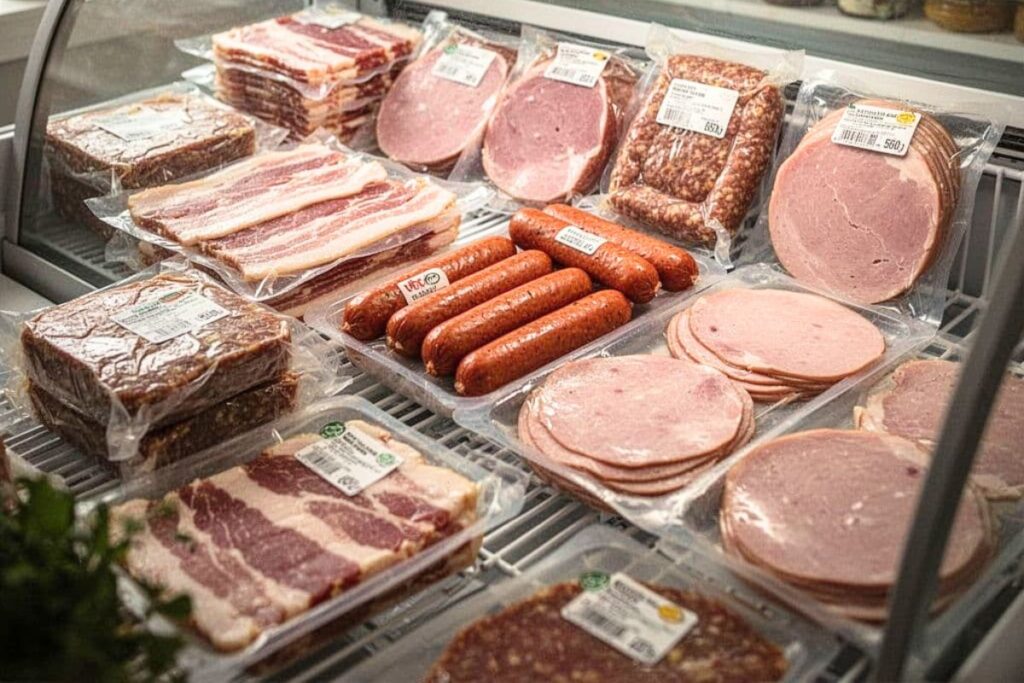
Processed meats consistently appear on lists of foods harmful to kidneys for good reason.
Examples include:
- Bacon
- Ham
- Sausage
- Pepperoni
- Hot dogs
- Salami
- Bologna
- Smoked meats
These foods are often high in:
- Sodium
- Preservatives
- Phosphorus additives
- Saturated fat
Many also contain ingredients ending in “phos,” which indicates added phosphorus.
Examples include:
- Sodium phosphate
- Calcium phosphate
- Phosphoric acid
These additives are absorbed by the body much more efficiently than naturally occurring phosphorus found in whole foods.
If your healthcare provider has recommended limiting phosphorus, these are ingredients worth watching for.
Better protein options
Whenever possible, choose:
- Fresh chicken
- Turkey
- Fish
- Lean pork
- Fresh cuts of beef in moderation
Preparing your own protein at home gives you much more control over sodium and seasonings.
4. Restaurant Meals Can Add Up Quickly
Eating out can absolutely fit into a kidney-friendly diet, but restaurant meals are often much higher in sodium than home-cooked meals.
Even dishes that sound healthy may contain:
- Butter
- Salt
- Broths
- Marinades
- Sauces
- Seasoning blends
A grilled chicken breast at home can be very different from one prepared in a restaurant kitchen.
That doesn’t mean you should never enjoy eating out.
Instead, consider strategies like:
- Asking for sauces on the side
- Choosing grilled instead of fried foods
- Requesting no added salt when possible
- Splitting large portions
- Taking half home for another meal
Small choices can make dining out much more kidney-friendly.
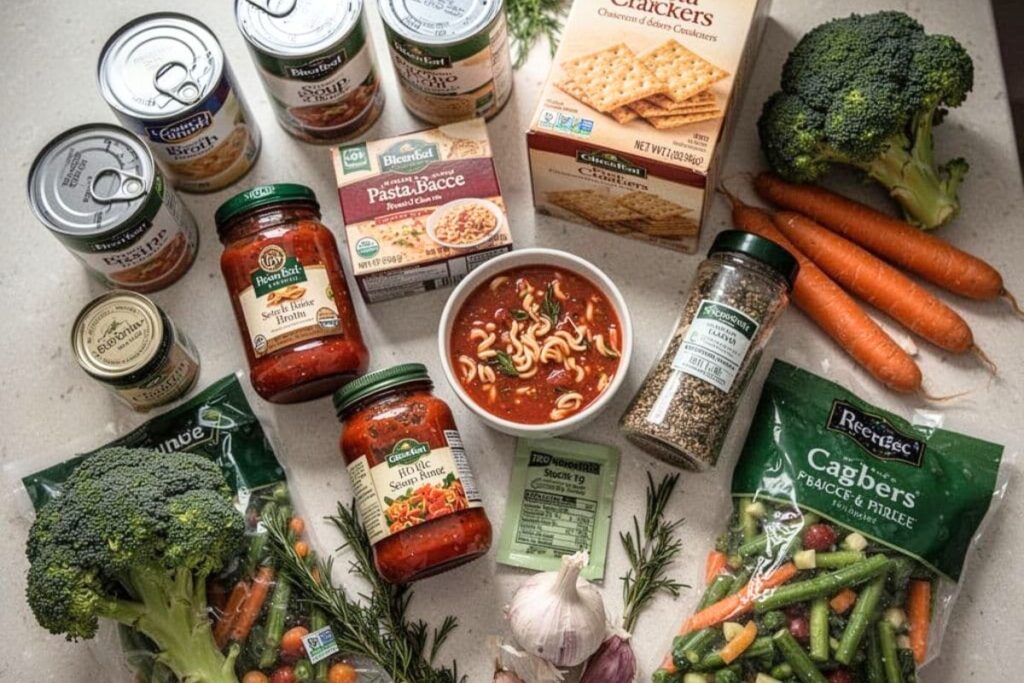
5. Canned Soups and Instant Meals
When you’re tired or having a flare-up of another chronic condition, canned soup can feel like the easiest option.
Unfortunately, many canned soups rank among the foods harmful to kidneys because they’re loaded with sodium.
Some varieties contain hundreds—or even over a thousand—milligrams of sodium in a single serving.
And remember…
Many cans contain two or more servings.
If you eat the entire can, you’re consuming much more sodium than the label might suggest at first glance.
Try these alternatives
Look for:
- Reduced-sodium soups
- Homemade soups
- Frozen homemade soup portions
- Low-sodium broth
Making a large batch and freezing individual portions can make future meals just as convenient as opening a can.
Meal Planning Can Make Kidney-Friendly Eating Easier
One thing I’ve learned over the years is that decision fatigue is real.
Trying to figure out what to cook every single day can quickly become exhausting—especially when you’re managing appointments, medications, fatigue, or other chronic illnesses.
That’s exactly why I put together my article Low Stress Kidney Meal Planning Simplified.
Inside, I share practical ways to reduce the daily stress of meal planning while making it easier to stick with a kidney-friendly diet without feeling overwhelmed.
It pairs perfectly with the tips you’re learning here because planning ahead often helps reduce those last-minute convenience food choices that can include many foods harmful to kidneys.
6. Phosphorus Additives Can Be Easy to Miss
Phosphorus is a mineral that plays an important role in keeping your bones and teeth healthy. However, when your kidneys aren’t working as well as they should, they may have trouble removing excess phosphorus from your body.
Over time, high phosphorus levels can lead to complications such as weakened bones and blood vessel problems.
The tricky part?
Many of the foods harmful to kidneys don’t naturally contain large amounts of phosphorus. Instead, manufacturers add phosphorus to improve texture, flavor, moisture, or shelf life.
Some common foods that may contain phosphorus additives include:
- Processed cheeses
- Deli meats
- Frozen entrees
- Fast food
- Baking mixes
- Boxed macaroni and cheese
- Instant puddings
- Powdered drink mixes
- Some flavored waters
Learn to Spot “Phos”
A simple trick is to scan the ingredient list for words containing “phos.”
Examples include:
- Calcium phosphate
- Sodium phosphate
- Potassium phosphate
- Pyrophosphate
- Phosphoric acid
These additives are absorbed much more readily than naturally occurring phosphorus, making them something many people with CKD are advised to limit.
Always check with your healthcare provider or renal dietitian about your individual phosphorus goals before making major dietary changes.
7. Sugary Drinks Aren’t Doing Your Kidneys Any Favors
Most of us know sugary drinks aren’t the healthiest choice.
But they can also make it more difficult to manage other health conditions that often go hand in hand with kidney disease, such as diabetes, high blood pressure, and weight management.
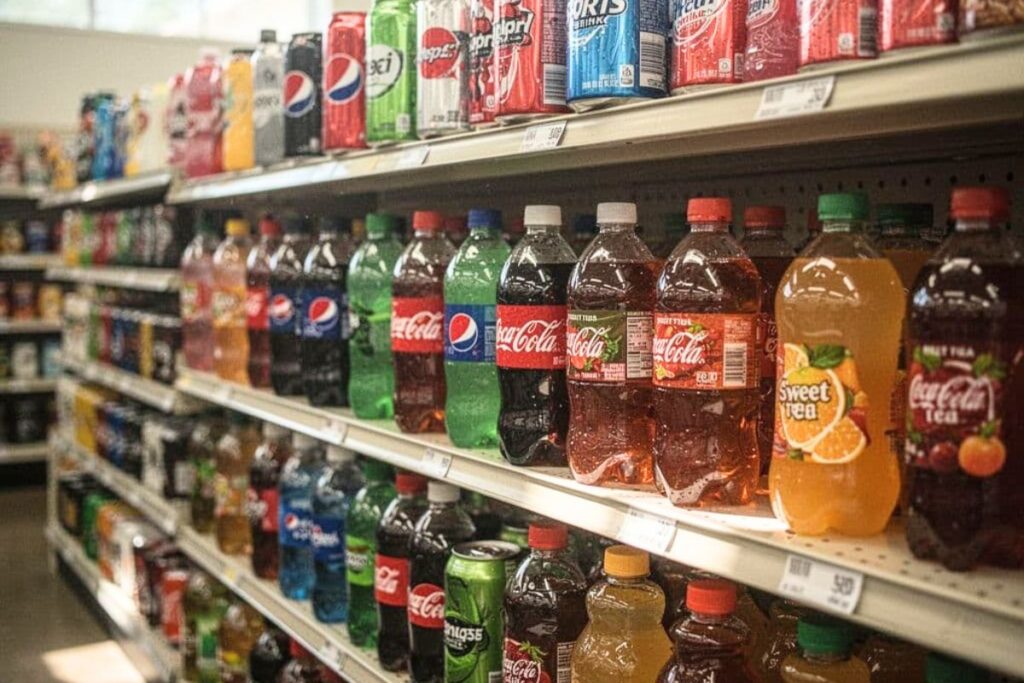
Some drinks to be mindful of include:
- Regular soda
- Sweet tea
- Energy drinks
- Fruit punches
- Sweetened coffee beverages
- Lemonades with added sugar
- Sports drinks
This doesn’t mean you can never enjoy your favorite beverage.
Instead, think about small changes that add up over time.
For example:
- Infuse water with fresh fruit.
- Choose unsweetened tea.
- Flavor sparkling water with lemon or lime.
- Gradually reduce the amount of sugar you add to drinks.
Small, sustainable habits are much easier to maintain than trying to change everything overnight.
8. Seasoning Packets and Sauce Mixes
Seasoning packets seem harmless because they’re small.
But don’t let their size fool you.
Many taco seasonings, gravy packets, onion soup mixes, pasta seasoning blends, and marinade packets contain surprisingly high amounts of sodium.
These products often become hidden foods harmful to kidneys because we don’t think of them as “food.”
They’re simply ingredients.
Unfortunately, those ingredients can quickly increase the sodium content of an otherwise healthy meal.
Build Flavor Naturally
Instead of relying on packaged mixes, experiment with herbs and spices like:
- Garlic powder (not garlic salt)
- Onion powder
- Black pepper
- Paprika
- Basil
- Oregano
- Thyme
- Rosemary
- Parsley
- Lemon juice
- Vinegar
These ingredients can add wonderful flavor while helping you create a more kidney-friendly diet.
9. Fast Food Can Sneak In More Sodium Than You Realize
Let’s be honest.
Sometimes life gets busy.
Whether you’ve had a long day, don’t have much energy, or simply forgot to plan dinner, grabbing fast food can feel like the easiest option.
The problem isn’t necessarily eating fast food once in a while.
It’s that many menu items contain:
- Large amounts of sodium
- Saturated fat
- Processed ingredients
- Oversized portions
Instead of thinking in terms of “never,” look for ways to make better choices.
Some ideas include:
- Ordering grilled instead of fried foods
- Skipping extra sauces
- Choosing smaller portion sizes
- Drinking water instead of sugary beverages
- Adding a side salad when available
Progress is almost always more sustainable than perfection.
10. Convenience Snacks
Snack foods are another category of foods harmful to kidneys that can quietly add up throughout the day.
Think about how easy it is to grab a handful of crackers…then another.
Some common examples include:
- Potato chips
- Cheese crackers
- Pretzels
- Flavored popcorn
- Snack mixes
- Cheese puffs
These foods often provide plenty of sodium without offering much nutritional value.
That doesn’t mean you can’t enjoy snacks.
It simply means being more intentional about the ones you choose.
Build a Kidney-Friendly Diet One Step at a Time
One of the biggest misconceptions about following a kidney-friendly diet is that you have to completely change the way you eat overnight.
In reality, lasting habits usually happen one small step at a time.
Maybe this week you:
- Compare sodium labels before buying soup.
- Choose fresh chicken instead of deli meat.
- Cook one extra meal at home.
- Read ingredient lists for phosphorus additives.
- Replace one sugary drink with water.
Those changes might seem small.
But together, they can make a meaningful difference over time.
Meal Planning Makes Healthy Choices Easier
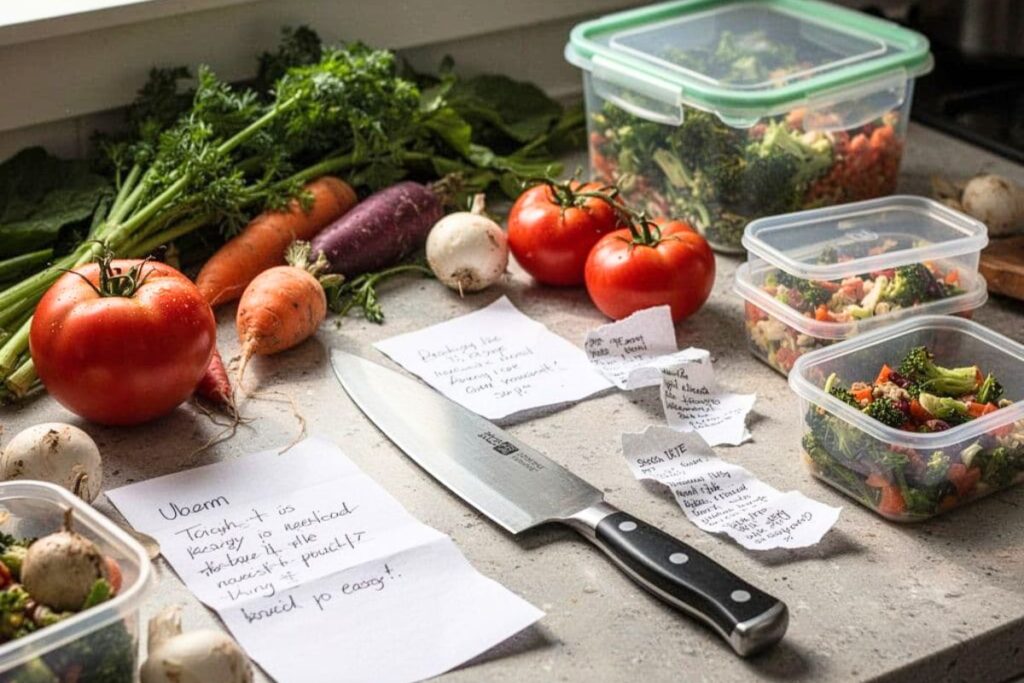
One thing I’ve found incredibly helpful is having a plan before I’m hungry.
When I don’t have a plan, I’m much more likely to grab whatever is quick and convenient. That’s usually when the foods harmful to kidneys find their way onto my plate.
Planning doesn’t have to mean preparing every meal for the week.
Even writing down a few dinner ideas and creating a grocery list can reduce stress and make healthier choices feel much easier.
If you’d like a simple way to organize your favorite recipes, keep track of meal ideas, and create grocery lists in one place, take a look at my Recipe Collection & Meal Planner printable.
It’s designed to help you spend less time wondering what to cook and more time enjoying meals that support your health.
Free Weekly Meal Plan with Grocery List
If meal planning feels overwhelming, you’re definitely not alone.
That’s why I created a Free Weekly Meal Plan with Grocery List to help make planning your meals easier.
Inside you’ll find:
- A simple weekly meal planner
- A coordinated grocery shopping list
- Plenty of space for notes
- An easy system that helps reduce last-minute food decisions
It’s a great first step toward building a more organized routine and supporting a kidney-friendly diet without adding unnecessary stress.
Having a meal plan for the week helps you to know what is for dinner and plan out your meals better. Sign up for my newsletter to receive a free weekly meal plan with a shopping list.
Explore More Printables
Looking for simple printables that help make everyday life feel a little less overwhelming? From planners and wellness tools to educational activities and family organization printables, you’ll find supportive resources designed for real life inside Gina’s Printable Shop.
Grocery Shopping Tips for Avoiding Foods Harmful to Kidneys
The grocery store can feel overwhelming when you’re living with chronic kidney disease.
There are countless products to choose from, colorful labels making big health claims, and ingredient lists that seem to get longer every year.
The good news is that you don’t have to become an expert overnight.
The next time you shop, try focusing on these simple habits:
Shop the Perimeter When You Can
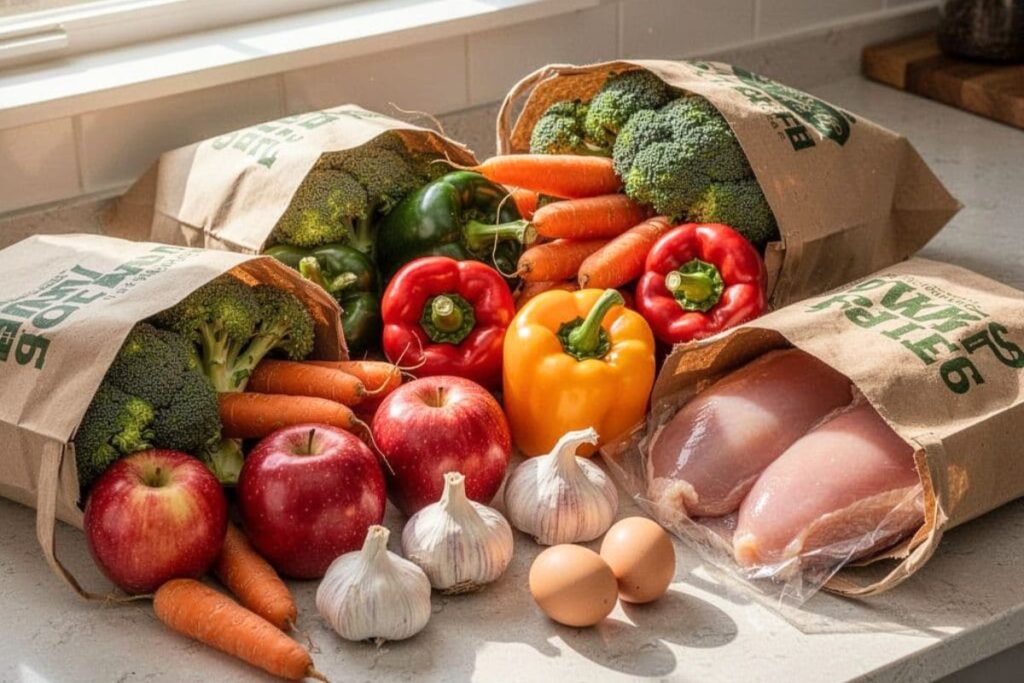
Many fresh foods are located around the outside of the grocery store, including:
- Fresh fruits
- Fresh vegetables
- Meat and poultry
- Fish
- Eggs
- Dairy products
That doesn’t mean you should avoid every aisle in the middle of the store, but many highly processed foods are found there.
Compare Nutrition Labels
Even similar products can have dramatically different nutrition information.
For example, one pasta sauce may contain twice as much sodium as another.
Taking a few extra seconds to compare labels can make a big difference over time.
Read the Ingredients List
Ingredients are listed in order by weight.
If sodium-containing ingredients or phosphorus additives appear near the beginning of the list, that may be a sign to look for another option.
Keep Convenience in Mind
Following a kidney-friendly diet doesn’t mean every meal has to be made from scratch.
Look for convenient options such as:
- Frozen vegetables without added sauces
- Plain frozen chicken
- No-salt-added canned vegetables (if appropriate for your diet)
- Lower-sodium broths
- Simple pantry staples
Making healthy choices easier also makes them more sustainable.
Quick Reference: Foods Harmful to Kidneys
While everyone’s dietary needs are different, these are some of the most common foods harmful to kidneys that many people with chronic kidney disease are encouraged to limit or enjoy less often.
- Processed meats
- Frozen convenience meals
- Instant noodles
- Canned soups
- Fast food
- Salty snack foods
- Sugary drinks
- Processed cheeses
- Seasoning packets
- High-sodium sauces
- Foods containing phosphorus additives
Instead of focusing on what you can’t eat, try thinking about what you can add to your plate.
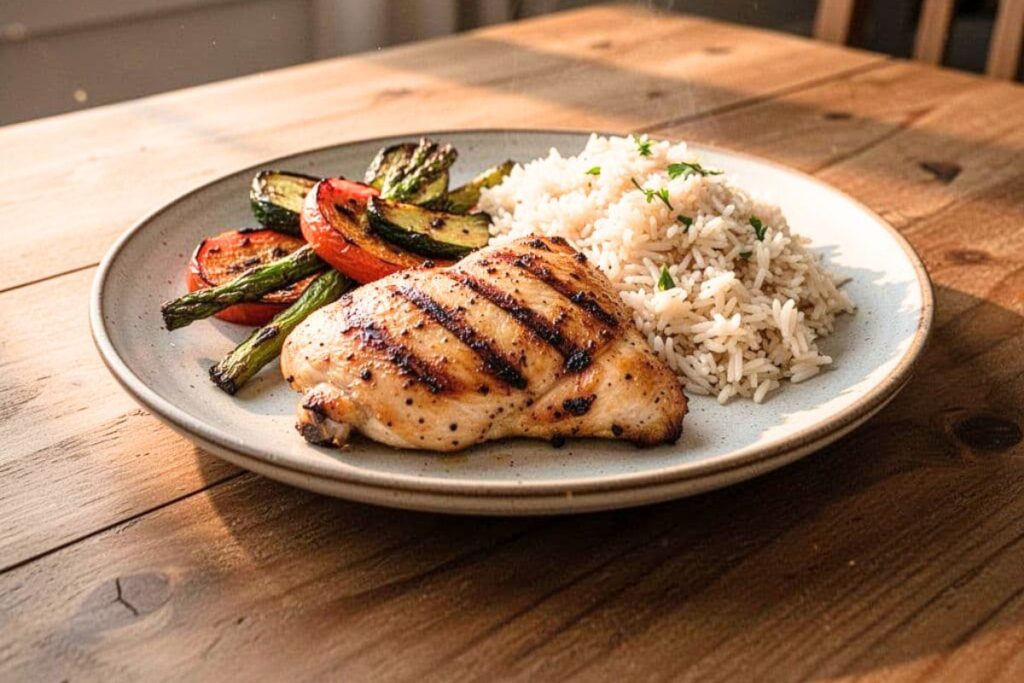
Fresh ingredients, home-cooked meals, and simple recipes can all play an important role in supporting a kidney-friendly diet.
Frequently Asked Questions
Do I have to avoid all of these foods forever?
Not necessarily.
Everyone’s kidney disease is different.
Your stage of chronic kidney disease, lab results, medications, and other health conditions all play a role in determining what is best for you.
Always follow the advice of your nephrologist and registered renal dietitian.
Are fresh foods always better?
Fresh foods are often lower in sodium and additives than highly processed foods, but there isn’t one rule that fits everyone.
Some frozen fruits and vegetables without added sauces are excellent choices and can be just as nutritious as fresh produce.
Is following a kidney-friendly diet expensive?
It doesn’t have to be.
Planning meals ahead of time, cooking larger batches, comparing store brands, and reducing food waste can actually help lower your grocery bill.
Meal planning is one of the easiest ways to save both time and money while supporting your health.
Should I avoid potassium?
Not everyone with chronic kidney disease needs to limit potassium.
Your healthcare provider will use your lab work to determine whether potassium is something you need to monitor.
That’s another reason why understanding your lab values is so important.
If you’re still learning what those numbers mean, be sure to read my article, Kidney Disease Lab Values Made Simple: Your Essential Guide, where I explain common kidney lab tests in everyday language.
The Bottom Line
Learning about foods harmful to kidneys isn’t about creating a list of foods you’ll never enjoy again.
It’s about becoming more aware of what’s in the foods you eat and making choices that support your long-term health.
You don’t have to change everything today.
In fact, you probably shouldn’t.
The most successful changes are usually the small ones that become part of your everyday routine.
Maybe this week you compare sodium labels before buying soup.
Maybe you cook one extra meal at home.
Maybe you start reading ingredient lists for phosphorus additives.
Those small wins add up.
And before long, those healthier choices begin to feel like second nature.
Remember, building a kidney-friendly diet is a journey, not a destination. Give yourself permission to learn as you go, celebrate your progress, and ask for help when you need it.
Every positive choice you make is another step toward supporting your kidney health.
Disclaimer
This article is intended for educational purposes only and should not be considered medical advice. Chronic kidney disease affects everyone differently, and dietary recommendations vary depending on your stage of kidney disease, lab results, medications, and other medical conditions. Always follow the guidance of your nephrologist, healthcare provider, or registered renal dietitian before making significant changes to your diet.
Related Articles
If you found this guide helpful, you may also enjoy:
- Low Stress Kidney Meal Planning Simplified – Learn practical ways to reduce meal planning stress while creating meals that fit your lifestyle.
- Kidney Disease Lab Values Made Simple: Your Essential Guide – Understand what your kidney lab results mean and why they matter.
These articles pair perfectly with the tips you’ve learned here and can help you feel even more confident as you build a sustainable, kidney-friendly diet that works for you.
Follow Me On Social Media:

Hi, I’m Gina — the creator behind Chronically Gina and Gina’s Printable Shop.
I create practical printables, wellness tools, and encouraging content to help make everyday life feel more manageable. Living with chronic illness has inspired me to share realistic routines, organization tips, meal planning ideas, and supportive resources for busy women, families, caregivers, and teachers.
My goal is to help you feel less overwhelmed and more supported with simple systems that work for real life — not perfection.


