


Adaptive Clothing: A Helpful Guide to Easier Dressing
This post may contain editorial samples and/or affiliate links. We earn a commission on your sales.
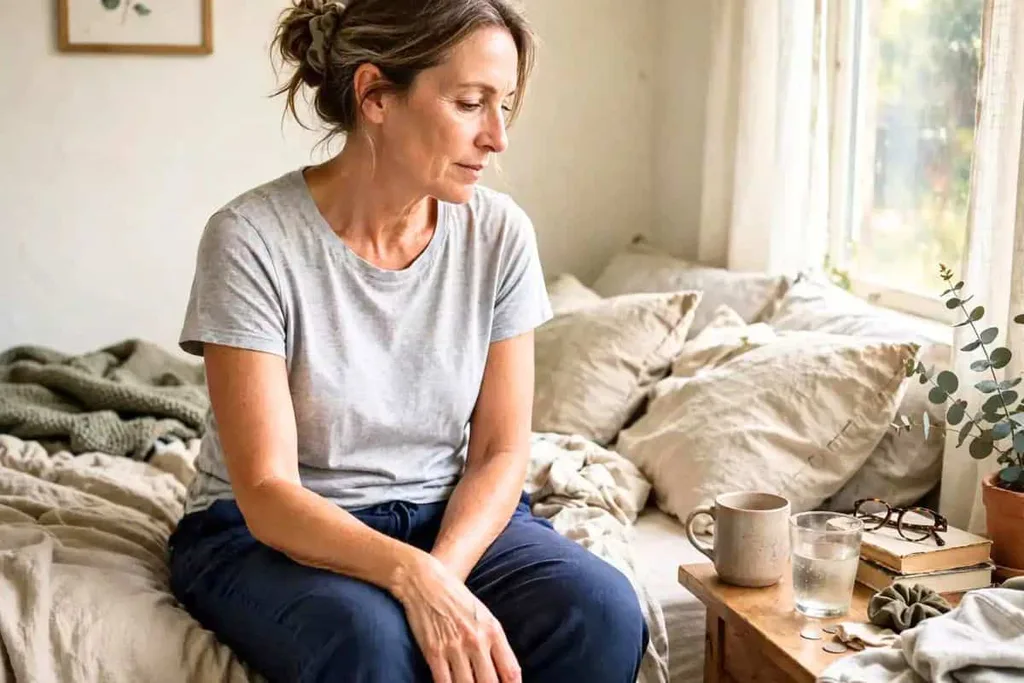
Getting dressed is something most people do every day without giving it much thought. But when you’re living with chronic pain, a disability, or limited mobility, even simple things like pulling on a pair of pants, fastening buttons, or putting on shoes can become frustrating and exhausting.
I know how challenging everyday tasks can be when your body doesn’t cooperate. Some days, the last thing you want to do is struggle with clothing that’s uncomfortable or difficult to put on. That’s where adaptive clothing can make a difference.
Adaptive clothing is designed to make getting dressed easier, more comfortable, and more accessible. From pants with easy-to-use closures to shirts that don’t require as much reaching or stretching, there are clothing options that can help make your daily routine a little less stressful.
And adaptive clothing isn’t just for seniors or people with disabilities. It can also be helpful for anyone dealing with arthritis, chronic pain, fatigue, or other health challenges that make traditional clothing difficult to manage.
In this guide, we’ll explore what adaptive clothing is, the different types available, and how to choose options that work for your needs. I’ll also share some of my own experiences with adaptive clothing and why finding comfortable, practical clothes can make such a difference in everyday life.
Table of Contents
What Is Adaptive Clothing?
Adaptive clothing is clothing designed to make getting dressed easier for people who have difficulty wearing or managing traditional clothes. It often includes special features that reduce the need for bending, stretching, reaching, or using small buttons and zippers.
For someone living with chronic pain, arthritis, or limited mobility, these small changes can make a big difference. Something as simple as replacing traditional buttons with magnetic closures can make getting dressed less frustrating.
Adaptive clothing comes in many styles, including everyday shirts, pants, dresses, pajamas, and even shoes. Some pieces look almost identical to traditional clothing, while others have special openings or closures designed to make dressing easier for the person wearing them or someone helping them.
Some common adaptive clothing features include:
- Magnetic closures: Replace traditional buttons to make shirts and other clothing easier to fasten.
- Side-opening pants: Allow easier access when dressing, especially for people with limited mobility.
- Open-back shirts and dresses: Can make assisted dressing easier without requiring as much movement.
- Elastic waistbands: Provide flexibility and comfort without complicated fasteners.
- Easy-access footwear: Shoes with wide openings, adjustable straps, or hands-free designs can reduce the need to bend down.
- Seamless or soft fabrics: May help people who experience skin sensitivity or discomfort from certain materials.
One thing I appreciate about adaptive clothing is that it doesn’t have to look medical or institutional. Many options are designed to look like the clothes you would normally wear, just with features that make them easier to manage.
And while adaptive clothing is often associated with seniors, it can benefit people of all ages. Whether you’re recovering from surgery, managing a chronic illness, using a wheelchair, or simply having trouble with certain movements, the right clothing can help make everyday life a little easier.
Who Can Benefit From Adaptive Clothing?
One of the biggest misconceptions about adaptive clothing is that it’s only for older adults or people with severe disabilities. The truth is that many people can benefit from clothing designed to make everyday dressing easier.
You don’t have to need help getting dressed every day to appreciate adaptive clothing. Sometimes, it’s simply about finding clothes that are more comfortable, require less effort, or work better with your body’s limitations.
People Living With Chronic Pain or Chronic Illness
When you live with chronic pain, even small movements can be uncomfortable. Bending to put on socks, lifting your arms to pull on a shirt, or standing long enough to get dressed can take more energy than you might expect.
Conditions such as fibromyalgia, arthritis, and chronic back pain can make traditional clothing difficult to manage, especially during flare-ups.
Adaptive clothing can help reduce some of that physical effort. Pants with elastic waistbands, shirts with easier closures, and shoes that don’t require bending to tie laces may make getting dressed more manageable.
For those of us living with chronic illness, anything that helps conserve a little energy during the day is worth considering.
People With Disabilities or Limited Mobility
People with physical disabilities may have difficulty with certain movements, balance, or coordination. Traditional clothing isn’t always designed with these challenges in mind.
For example, someone who uses a wheelchair may prefer pants designed for seated comfort, while someone with limited arm movement might benefit from shirts that open in the front or along the sides.
Adaptive clothing can offer more flexibility and help people dress independently when possible.
Older Adults
As we get older, changes in mobility, strength, and dexterity can make everyday dressing more challenging.
Small buttons, tight clothing, and complicated fasteners may become frustrating, particularly for someone experiencing arthritis or reduced hand strength.
Adaptive clothing offers practical alternatives that can make dressing more comfortable without sacrificing personal style.
It can also be helpful for older adults who receive assistance with dressing, making the process easier for both the person wearing the clothing and their caregiver.
People Recovering From Surgery or Injury
Adaptive clothing isn’t always something a person needs permanently. It can also be helpful during recovery from surgery, an injury, or a temporary mobility limitation.
For example, someone recovering from shoulder surgery may find front-opening shirts easier to wear. A person recovering from knee or hip surgery might appreciate loose-fitting pants that don’t require as much bending.
Clothing that provides easier access to braces, casts, or medical equipment may also make recovery more comfortable.
It’s important to follow any clothing or movement restrictions provided by your healthcare team during recovery.
Caregivers and People Who Need Dressing Assistance
Adaptive clothing can also make a meaningful difference for caregivers who help a loved one get dressed.
Traditional clothing may require uncomfortable movements, especially when someone has limited mobility or spends much of their time in bed or a wheelchair.
Open-back clothing, adjustable fasteners, and specially designed pants can make assisted dressing easier while helping maintain the person’s comfort and dignity.
The goal isn’t just to make things easier for the caregiver. It’s also to help the person receiving assistance feel comfortable, respected, and involved in choosing what they wear.
Anyone Who Wants a More Comfortable Dressing Routine
You don’t need a specific diagnosis to benefit from adaptive clothing.
Maybe you have difficulty bending over, struggle with small buttons, or simply want clothing that’s easier to put on during busy mornings.
Adaptive clothing is about making everyday life more accessible. Finding clothes that work with your body instead of against it can make getting dressed one less thing to worry about.
Benefits of Adaptive Clothing for Everyday Life
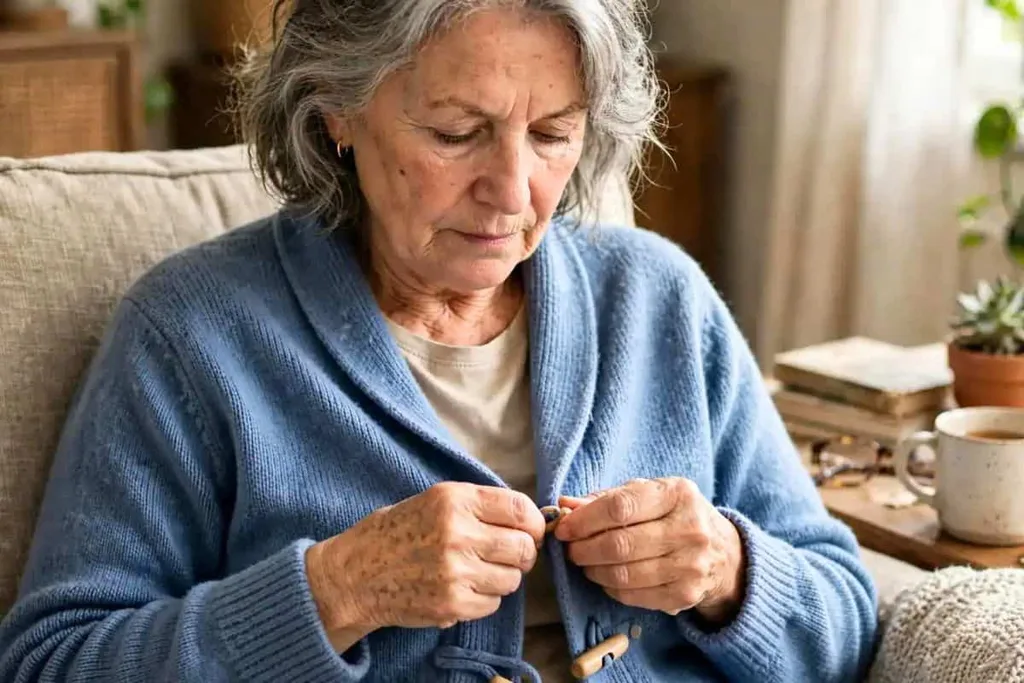
Getting dressed shouldn’t have to feel like a workout, but when you’re dealing with pain, fatigue, or mobility challenges, it sometimes does. The right clothing can make a difference in how comfortably you start your day.
Adaptive clothing isn’t going to eliminate chronic pain or make every daily challenge disappear. However, it can remove some of the unnecessary struggles that come with traditional clothing.
Here are some of the ways adaptive clothing can make everyday life a little easier.
Makes Getting Dressed Less Physically Demanding
Think about how many movements are involved in getting dressed. You might need to bend over, raise your arms, balance on one foot, or reach behind your back.
When those movements cause pain or discomfort, something as simple as putting on a pair of pants can become exhausting.
Adaptive clothing can reduce the amount of movement required. Features like side openings, adjustable closures, and flexible waistbands can make clothing easier to put on and take off.
This can be especially helpful on days when pain or stiffness makes moving around more difficult.
Helps Conserve Energy Throughout the Day
If you live with chronic illness, you probably understand how important it is to manage your energy.
Some days, you wake up already feeling exhausted. Having to struggle with clothing before you’ve even started your day can make things more difficult.
Adaptive clothing may help you use less physical effort when getting dressed. That doesn’t mean it will eliminate fatigue, but making one everyday task easier can leave you with a little more energy for other things.
And sometimes, those small changes are exactly what we need.
Encourages Greater Independence
Being able to do things for yourself can mean a lot, especially when chronic illness or a disability has changed how you manage everyday activities.
For someone who struggles with buttons, zippers, or certain movements, adaptive clothing may make it possible to get dressed with less assistance.
Even if you still need help with some parts of your routine, having clothing that’s easier to manage can give you more control over the process.
Independence looks different for everyone. It’s not always about doing everything yourself. Sometimes, it’s about having more choices and being able to participate in your daily routine in ways that work for you.
Provides Better Comfort for Sensitive Skin and Painful Areas
Traditional clothing isn’t always comfortable when you’re dealing with chronic pain, swelling, or skin sensitivity.
Tight waistbands, rough seams, stiff fabrics, and restrictive clothing can make an already uncomfortable day feel worse.
Some adaptive clothing options are designed with softer materials, adjustable fits, and fewer irritating seams.
For example, someone with abdominal discomfort may prefer pants with a soft, flexible waistband instead of a tight button closure. Someone with sensitive skin might appreciate smooth fabrics that don’t rub against painful areas.
Comfort is personal, so finding the right clothing may take a little trial and error.
Makes Dressing Easier for Caregivers
When someone needs assistance getting dressed, clothing choices can affect both the person receiving help and the caregiver.
Trying to pull a traditional shirt over someone’s head or help them into tight pants may require movements that are uncomfortable or difficult.
Adaptive clothing with accessible openings and adjustable closures can simplify parts of the dressing process.
This may also help reduce unnecessary pulling, twisting, or repositioning, depending on the person’s needs.
Most importantly, it can make the experience more comfortable and respectful for everyone involved.
Supports Personal Style and Confidence
Needing adaptive clothing doesn’t mean you have to give up wearing clothes you enjoy.
One of the encouraging things about adaptive fashion is that there are more options designed to look like everyday clothing.
You can find jeans, casual tops, dresses, pajamas, and other pieces with adaptive features that aren’t immediately noticeable.
Being comfortable and feeling good about what you’re wearing can go hand in hand.
You deserve clothing that fits your needs while still allowing you to express your personality.
Helps Make Daily Routines Less Stressful
Living with chronic illness often means adjusting how you do ordinary things. Getting dressed is just one part of that.
When your clothes are difficult to manage, it can add frustration to a day that may already feel overwhelming.
Having a few reliable, comfortable clothing options can make mornings more predictable. You know what works, what feels good, and what doesn’t require extra effort.
Not every improvement has to be a major lifestyle change. Sometimes, making everyday life easier starts with something as simple as choosing a different pair of pants.
Types of Adaptive Clothing and Helpful Features
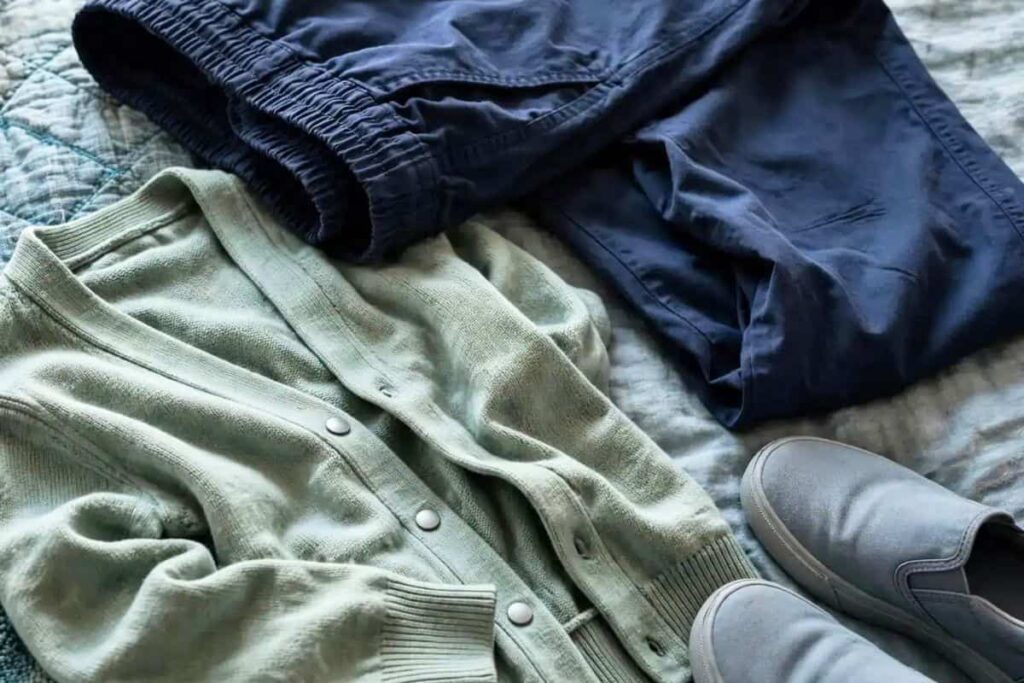
Adaptive clothing has come a long way over the years. Today, you can find everything from comfortable everyday basics to stylish outfits designed with accessibility in mind.
The best part is that you don’t necessarily have to replace your entire wardrobe. Sometimes, adding a few pieces that address your biggest dressing challenges can make a noticeable difference.
Here are some common types of adaptive clothing and the features worth looking for.
Adaptive Pants and Jeans
Pants can be one of the most frustrating clothing items to manage when you have chronic back pain, arthritis, or difficulty bending.
Traditional jeans often have stiff waistbands, small buttons, and zippers that require more movement than you might comfortably manage.
Adaptive pants offer alternatives such as:
- Elastic or adjustable waistbands that are easier to pull on.
- Side zippers or openings that make dressing more accessible.
- Magnetic or hook-and-loop closures instead of traditional buttons.
- Seated-fit designs that provide more comfort for wheelchair users.
- Softer, stretchable fabrics that allow easier movement.
For someone with chronic back pain, a pair of pull-on pants with a comfortable waistband might be a practical place to start.
If you spend much of your day sitting, you may also want to look for pants designed to reduce pressure and bunching around the waist and hips.
Adaptive Shirts and Tops
Getting a shirt on and off can be challenging when you have shoulder pain, limited arm movement, or difficulty reaching overhead.
Adaptive shirts are designed to make that process easier without necessarily looking different from traditional clothing.
Some helpful features include front-opening designs, magnetic buttons, wider neck openings, and side closures.
Open-back shirts are another option, particularly for people who need assistance getting dressed. These designs allow caregivers to help position clothing without requiring as much lifting or reaching.
If you experience shoulder or upper back pain, you may find that a front-opening shirt is easier to manage than one you have to pull over your head.
Adaptive Dresses and Skirts
Dresses and skirts can also be designed with accessibility in mind.
Some adaptive dresses feature open-back designs, adjustable closures, or extra room to make dressing easier. Others are designed to fit comfortably while seated.
Adaptive skirts may include elastic waistbands, side openings, or wraparound styles that are easier to adjust.
These options can be especially useful for someone who wants comfortable clothing without having to manage complicated fasteners.
And there’s no reason practical clothing can’t still be something you enjoy wearing.
Adaptive Shoes and Footwear
Putting on shoes can be difficult when bending over causes pain or when you have limited hand strength.
Traditional shoes often require you to reach your feet, pull on the heel, and tie laces. That can be a lot of movement for someone dealing with chronic pain or mobility limitations.
Adaptive footwear may include:
- Wide openings that make it easier to slide your foot inside.
- Adjustable straps for a more comfortable fit.
- Hands-free designs that don’t require bending to pull on the heel.
- Stretchable materials that accommodate certain foot shapes.
- Removable insoles that may allow room for prescribed orthotics.
It’s important to choose shoes that provide the support, stability, and fit you need. An easy-to-put-on shoe isn’t necessarily the right choice if it causes discomfort or makes walking less secure.
Adaptive Undergarments and Sleepwear
Underwear, bras, socks, and pajamas are easy to overlook when thinking about adaptive clothing, but they can make a difference in everyday comfort.
For example, front-closure bras may be easier to manage for someone with limited shoulder mobility. Some adaptive underwear styles feature side openings that can simplify dressing or assisted changes.
You can also find socks designed with nonbinding tops, smoother seams, or easier-to-grip features.
Adaptive pajamas may have soft fabrics, accessible openings, or designs that make changing clothes easier for people who spend extended periods in bed.
These might seem like small details, but when you’re dealing with discomfort every day, the little things matter.
Adaptive Clothing for Wheelchair Users
People who use wheelchairs may have clothing needs that traditional designs don’t always address.
For example, pants designed for standing may bunch around the waist or feel uncomfortable when worn while seated for long periods.
Some adaptive clothing is specifically designed for seated wear, with features such as:
- Higher back rises and adjusted front waistlines.
- Extra room around the hips and thighs.
- Seams positioned to reduce uncomfortable pressure.
- Longer leg lengths to provide better coverage while seated.
- Accessible openings that simplify dressing.
The right fit can help reduce discomfort and make it easier to move throughout the day.
If someone is at risk for pressure injuries, clothing choices should also be considered alongside their healthcare team’s recommendations for positioning and skin protection.
Adaptive Clothing With Magnetic Closures
Magnetic closures are one of the features you may notice when shopping for adaptive clothing.
Instead of struggling with small buttons, the magnets help guide the two sides of the garment together.
This can be helpful for people with arthritis, reduced hand strength, or difficulty with fine motor movements.
Magnetic closures are commonly found on shirts, jackets, and some pants.
Important: Magnetic clothing fasteners may interfere with certain implanted medical devices, including some pacemakers, defibrillators, and other electronic implants. Check the clothing manufacturer’s warnings and your medical device manufacturer’s guidance before using them. If you’re unsure, ask your healthcare professional.
For people who need to avoid magnets, hook-and-loop closures, snaps, and other accessible fasteners may be better alternatives.
Finding the Right Features for Your Needs
With so many adaptive clothing options available, it can be tempting to focus on all the different features. But the most useful clothing is the clothing that solves a problem you’re actually experiencing.
If bending is difficult, you might start with pull-on pants or hands-free shoes. If buttons are frustrating, look for easier fasteners. If sitting for long periods causes discomfort, consider clothing designed for seated wear.
You don’t need every adaptive feature, and you don’t have to change your personal style.
Start with the part of getting dressed that gives you the most trouble and look for one small change that could make it easier.
How to Choose Adaptive Clothing for Your Needs
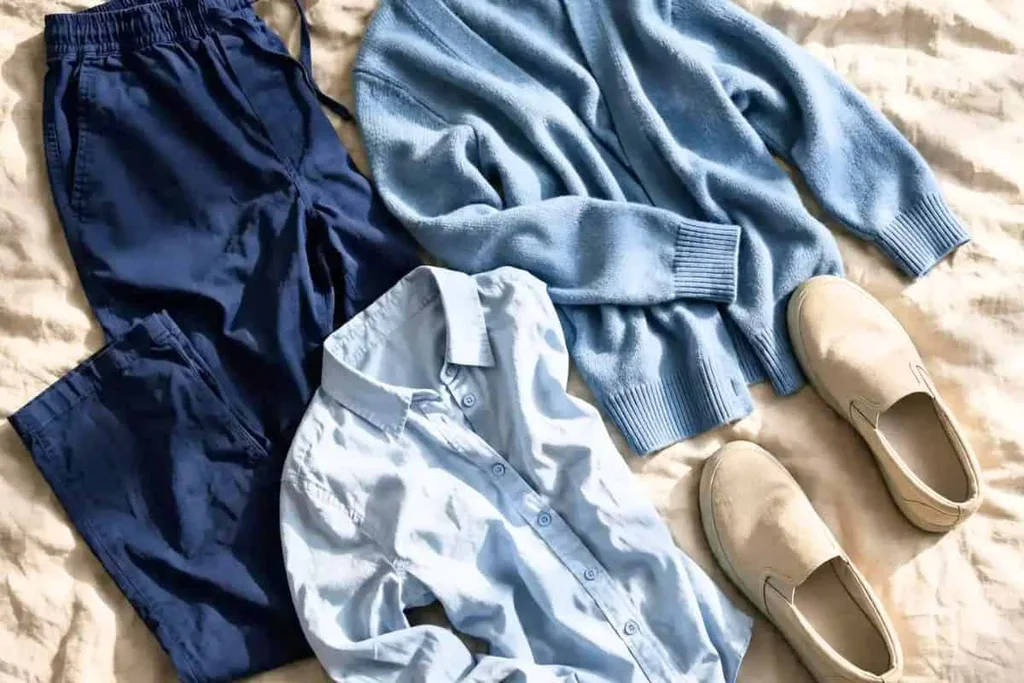
Shopping for adaptive clothing can feel a little overwhelming at first, especially when you’re not sure which features will actually make your life easier.
There are plenty of options available, but not every piece of adaptive clothing will work for every person. What makes dressing easier for someone with arthritis might not be helpful for someone with chronic back pain or limited shoulder mobility.
The goal is to find clothing that works with your body, fits comfortably, and makes your daily routine a little easier.
Here are a few things to consider before making a purchase.
Think About Your Biggest Dressing Challenges
Before shopping, take a moment to think about which parts of getting dressed are the most difficult.
Do you struggle with bending over to put on pants or socks? Are buttons and zippers frustrating? Does lifting your arms to put on a shirt cause pain?
Identifying your biggest challenges can help you narrow down the features that might be most useful.
For example, if bending is your biggest concern, pull-on pants or hands-free shoes might be a good starting point. If you have trouble with small fasteners, clothing with larger closures or accessible openings may be more helpful.
You don’t have to solve every dressing challenge at once. Start with the one that causes the most discomfort or frustration.
Pay Attention to Fabric and Comfort
Fabric can make a big difference in how comfortable clothing feels throughout the day.
If you experience skin sensitivity, chronic pain, or discomfort from pressure around certain areas, you may want to avoid stiff materials, rough seams, or tight waistbands.
Look for clothing made from soft, breathable materials that allow you to move comfortably.
Stretchable fabrics can be helpful, but make sure they don’t feel too tight or restrictive. Clothing should provide enough flexibility without constantly shifting or bunching up.
Also, consider how the fabric feels after sitting, standing, or moving around for a while. Something that feels comfortable when you first put it on might become irritating later in the day.
Check the Sizing and Fit Carefully
Sizing can vary between clothing brands, and adaptive clothing sometimes has different measurements or fit considerations than traditional clothing.
Before ordering, review the company’s size chart instead of automatically choosing your usual size.
Pay attention to waist measurements, sleeve lengths, inseams, and any special fit features.
If you’re shopping for seated clothing, look for measurements or descriptions that explain how the garment fits while sitting.
A comfortable fit is especially important if you use mobility equipment, wear braces, or have areas of your body that are sensitive to pressure.
Consider How Easy the Clothing Is to Put On and Take Off
A piece of clothing might be labeled adaptive, but that doesn’t automatically mean it will be easy for you to use.
Think about the movements required to get dressed.
Can you manage the closures comfortably? Will you need to bend or reach in ways that cause pain? Is the clothing easy to remove when using the bathroom?
If someone helps you get dressed, consider whether the design will make that process easier for both of you.
Product videos and customer reviews can sometimes give you a better understanding of how clothing works than photographs alone.
Look for Clothing That Fits Your Lifestyle
Adaptive clothing should fit into your everyday life, not the other way around.
Think about where you’ll be wearing the clothes and what activities you normally do.
You might want comfortable outfits for relaxing at home, casual clothing for running errands, or something a little dressier for appointments and special occasions.
It’s also worth considering how easy the clothing is to wash and care for.
If you’re already managing fatigue or chronic pain, complicated laundry instructions may be one more thing you don’t want to deal with.
Choose pieces that are practical for your routine and that you’ll actually enjoy wearing.
Set a Realistic Budget
Adaptive clothing can sometimes cost more than traditional clothing, particularly when it includes specialized designs or closures.
That doesn’t mean you need to spend a lot of money to make getting dressed easier.
Start by looking at the clothing you already own. You might find that certain styles, such as pull-on pants, loose-fitting tops, or easy-access shoes, already meet some of your needs.
When shopping for specialized adaptive clothing, compare prices between brands and check return policies before purchasing.
You may also want to start with one or two pieces rather than replacing your entire wardrobe.
This gives you a chance to see what works before spending more money.
Read Reviews and Check Return Policies
When shopping online, customer reviews can be especially helpful.
Look for feedback from people who have similar dressing challenges or mobility needs. Their experiences may help you understand whether a particular design is comfortable and easy to manage.
Pay attention to comments about sizing, fabric quality, durability, and how the closures work.
Before ordering, check the store’s return or exchange policy. Some specialty clothing retailers have restrictions on certain items, particularly undergarments or products that have been worn.
Being able to return something that doesn’t fit or work as expected can make trying adaptive clothing less stressful.
Start Small and Adjust as Needed
You don’t need a completely new wardrobe to benefit from adaptive clothing.
Sometimes, one comfortable pair of pants or a shirt that’s easier to put on can make a noticeable difference in your day.
Try a few options, pay attention to what feels comfortable, and make adjustments as your needs change.
Living with chronic illness often means learning to adapt your routines over time. Your clothing can be part of that process, too.
The most important thing is finding options that help you feel comfortable, confident, and more in control of your everyday routine.
Adaptive Clothing for Chronic Pain and Limited Mobility

When you’re living with chronic pain, getting dressed isn’t always as simple as choosing an outfit and putting it on. Some mornings, your body cooperates. Other mornings, even the smallest movements can feel like too much.
One of the frustrating things about chronic illness is that your abilities and energy levels can change from day to day. Clothing that feels comfortable one day might be difficult to manage during a flare-up.
That’s why having a few reliable clothing options can be so helpful.
Making Dressing Easier on High-Pain Days
On days when pain is worse than usual, I think it’s important to make everyday tasks as simple as possible.
You might find it helpful to choose your clothes the night before, especially if mornings tend to be difficult. Keeping comfortable outfits together can also save you from searching through drawers or closets when you’re already exhausted.
If standing makes your pain worse, consider sitting in a sturdy chair while getting dressed. Having your clothing and shoes within easy reach can also reduce unnecessary movement.
You may find that using dressing aids, such as a long-handled shoehorn, sock aid, or reacher, makes certain tasks easier. An occupational therapist can help you determine which tools and techniques are appropriate for your needs.
The goal isn’t to push through the pain just to get dressed. It’s to find ways to make the process more manageable.
Choosing Clothing That Works With Your Body
One thing I’ve learned from living with chronic pain is that comfort needs to come before expectations about what I should be wearing.
Some days, jeans might be perfectly fine. Other days, a soft pair of pants with a flexible waistband makes much more sense.
There’s nothing wrong with adjusting your clothing choices based on how you’re feeling.
It can also help to pay attention to where clothing puts pressure on your body. If you experience back pain, abdominal discomfort, or sensitive areas, certain waistbands or seams may make things worse.
Finding what works for your body may take some experimenting, and those preferences can change over time.
Giving Yourself Permission to Adapt
Living with chronic illness often involves making adjustments that other people may never think about.
Sometimes, those adjustments are small. You might switch to easier shoes, choose a different style of pants, or keep a few comfortable outfits ready for difficult days.
Other times, you may need assistance getting dressed, and that’s okay, too.
Using adaptive clothing or asking for help doesn’t mean you’re giving up your independence. It means you’re finding ways to work with your current abilities instead of making everyday life harder than it needs to be.
You deserve to feel comfortable in your clothes, even on the days when your body isn’t cooperating.
And if a simple clothing change makes your morning a little easier, that’s a worthwhile improvement.
My Experience With Adaptive Clothing From Silverts
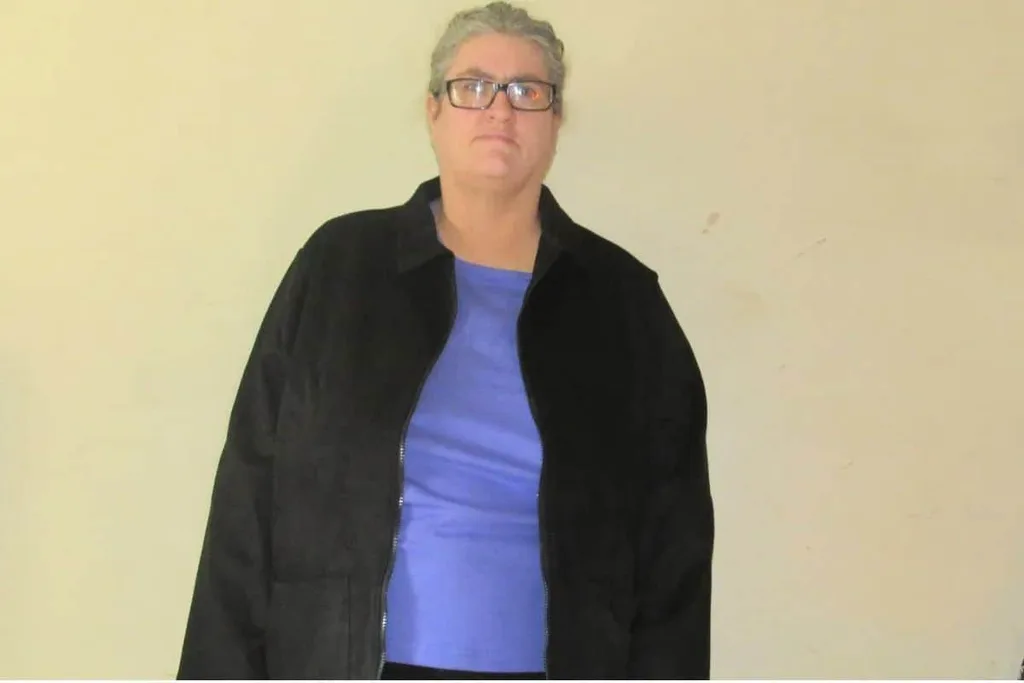
When I originally wrote about adaptive clothing, I had the opportunity to try clothing from Silverts, a company that specializes in clothing designed for people with different mobility and dressing needs.
I received clothing from the company to try and share my experience. Although this was originally a product review, I wanted to keep my experience in this updated guide because it shows how adaptive clothing can help with everyday challenges.
Living with chronic back pain has made me much more aware of how something as simple as getting dressed can affect my day. Pants, in particular, can be frustrating when bending and moving around are painful.


One of the features I appreciated about the clothing from Silverts was the side zippers. Having an alternative to traditional clothing closures made me realize how useful thoughtful clothing designs can be.
I also deal with sensitive skin, so the way clothing feels against my body matters. I don’t want to spend the day adjusting uncomfortable clothing or dealing with fabric that irritates my skin.
Comfort is something I pay attention to when choosing what to wear, especially on days when my pain levels are higher.
Adaptive Clothing From a Caregiver’s Perspective
My interest in adaptive clothing also comes from experiences with my mom, who used a powerchair.
Watching someone you love navigate mobility challenges gives you a different perspective on everyday tasks that many people take for granted.
Clothing needs can change when someone spends much of their day seated or requires assistance with dressing. Things like fit, accessible openings, and comfortable fabrics become especially important.
That experience helped me appreciate why adaptive clothing matters not only for the person wearing it but also for the people who may be helping them.
What I Took Away From My Experience
Trying adaptive clothing helped me see that small design changes can make a meaningful difference.
Not every adaptive feature will work for every person, and what I find comfortable might not be the best option for someone else.
But having more clothing choices designed around different physical needs is a positive thing.
If you’re curious about the brand, you can explore the adaptive clothing options available from Silverts. Just remember to consider your own mobility needs, comfort preferences, and budget when deciding what might work for you.
Where to Shop for Adaptive Clothing
Finding adaptive clothing that fits your needs doesn’t have to be complicated, but knowing where to start can help.
Some companies specialize in clothing for people with disabilities or limited mobility, while others focus on making everyday fashion more accessible.
Whether you’re looking for comfortable pants, easier shirt closures, or clothing designed for assisted dressing, here are a few places worth exploring.
Silverts
Silverts offers adaptive clothing and footwear for people with mobility challenges, older adults, and those who need assistance getting dressed.
Their selection includes open-back clothing, adaptive pants, nightgowns, and adjustable footwear. They also offer options for people recovering from surgery.
This is the company I personally tried when I originally wrote about adaptive clothing, so it’s one I’m familiar with.
Joe & Bella
Joe & Bella focuses on adaptive clothing that combines practical features with everyday style.
Their clothing includes magnetic-button shirts, side-zip pants, and other pieces designed to make dressing easier.
This may be a company worth exploring if you want adaptive features without clothing that looks noticeably different from a traditional wardrobe.
IZ Adaptive
IZ Adaptive creates clothing with accessibility and personal style in mind, particularly for people with physical disabilities.
Their collections include clothing designed for seated comfort and other dressing needs. They also carry a selection of Silverts products.
If you use a wheelchair or spend much of your day seated, this may be another place to explore.
Other Places to Look for Comfortable Clothing
You don’t always need to shop at a specialty retailer to find clothing that makes dressing easier.
Regular clothing stores may carry pull-on pants, stretchy tops, elastic-waist skirts, and shoes with accessible closures.
These items might not be advertised as adaptive clothing, but they can still be helpful depending on your needs.
You can also explore secondhand clothing stores or online resale shops if you’re trying to stay within a budget.
Just remember that clothing designed specifically for assisted dressing, wheelchair use, or medical access may have features that ordinary clothing doesn’t provide.
The important thing is to shop for what works for you rather than feeling like you need to purchase an entirely new wardrobe.
Frequently Asked Questions About Adaptive Clothing.
Is Adaptive Clothing Only for People With Disabilities?
No. While adaptive clothing is often designed for people with disabilities or mobility challenges, it can benefit anyone who has difficulty managing traditional clothing.
People living with chronic pain, arthritis, fatigue, or temporary injuries may also find adaptive clothing helpful. You don’t need a specific diagnosis to choose clothing that makes getting dressed easier.
Is Adaptive Clothing More Expensive Than Regular Clothing?
Some adaptive clothing costs more than traditional clothing because of specialized features, materials, or designs. However, prices vary depending on the brand and type of clothing.
You don’t necessarily have to buy specialty clothing to make dressing easier. Regular clothing with elastic waistbands, accessible closures, or comfortable fabrics may work for some of your needs.
Starting with one or two useful pieces can help you manage costs while figuring out what works best.
Does Health Insurance Cover Adaptive Clothing?
Most everyday adaptive clothing is purchased out of pocket, but coverage or financial assistance may be available in certain situations.
Eligibility depends on your insurance plan, medical needs, and the type of clothing or equipment involved. Some specialized garments may qualify for coverage when medically necessary, but ordinary adaptive clothing generally isn’t covered simply because it makes dressing easier.
If you have a specific medical need, contact your insurance provider or healthcare team to ask about possible coverage or assistance programs.
Can Adaptive Clothing Look Like Regular Clothing?
Absolutely! Many adaptive clothing brands offer shirts, jeans, dresses, and other everyday pieces that look similar to traditional clothing.
Features such as magnetic closures, adjustable waistbands, and accessible openings can sometimes be incorporated without changing the overall appearance.
You can still enjoy your personal style while choosing clothes that are easier and more comfortable to wear.
Can Adaptive Clothing Help Someone Who Lives Alone?
Yes. Adaptive clothing may help someone who lives alone manage certain dressing tasks with less difficulty.
For example, easier closures, pull-on styles, and accessible footwear may reduce the need for assistance with specific movements.
However, the right solution depends on the person’s abilities and safety needs. If getting dressed is difficult or creates a risk of falling, an occupational therapist may be able to recommend clothing, dressing aids, or techniques that make the process safer.
Final Thoughts on Adaptive Clothing.
Living with chronic pain or limited mobility can make everyday tasks more challenging than people realize. Getting dressed is just one of those things that might seem simple to someone else but can take a lot of effort when your body isn’t cooperating.
One thing I’ve learned from living with chronic illness is that making small adjustments to everyday routines can make a difference. Sometimes, that means changing how you do something. Other times, it means finding products that make life a little easier.
Adaptive clothing is one of those options worth exploring. You don’t need to replace your entire wardrobe or spend a fortune to find something that works better for your needs.
Whether it’s a comfortable pair of pants, a shirt that’s easier to put on, or shoes that don’t require as much bending, finding clothing that works with your body can help make getting dressed less frustrating.
Most importantly, you deserve to feel comfortable and confident in what you’re wearing, regardless of your physical limitations.
Have you ever tried adaptive clothing? I’d love to hear about your experience! Share in the comments what clothing features have made getting dressed easier for you, or what you wish more clothing companies would offer.
Follow Me On Social Media:

Hi, I’m Gina — the creator behind Chronically Gina and Gina’s Printable Shop.
I create practical printables, wellness tools, and encouraging content to help make everyday life feel more manageable. Living with chronic illness has inspired me to share realistic routines, organization tips, meal planning ideas, and supportive resources for busy women, families, caregivers, and teachers.
My goal is to help you feel less overwhelmed and more supported with simple systems that work for real life — not perfection.