


How Mindfulness Improves Emotional Resilience
This post may contain editorial samples and/or affiliate links. We earn a commission on your sales.
Life is full of challenges—stress at work, personal struggles, unexpected losses, or major changes. While we cannot avoid difficulties, we can strengthen the way we respond to them. This ability to adapt and recover is called emotional resilience. One powerful practice that supports resilience is mindfulness.
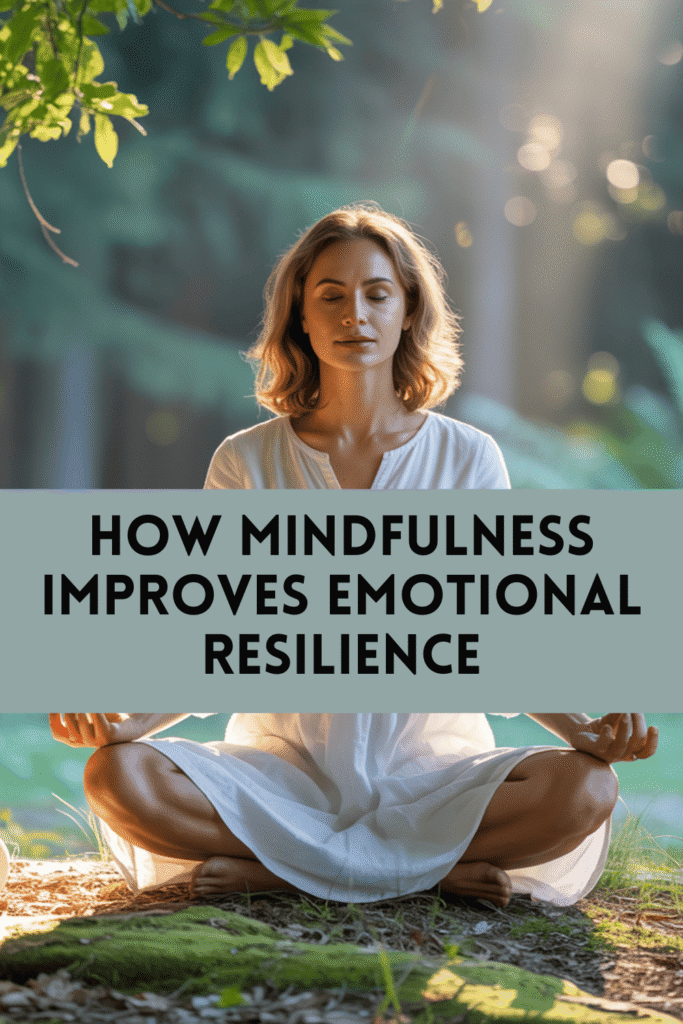
Mindfulness is more than a trend; it is a research-backed tool that improves mental well-being. By training the mind to focus on the present moment with awareness and acceptance, mindfulness builds the strength needed to handle life’s ups and downs.
Table of Contents
What Is Mindfulness?
Mindfulness means paying attention to the present without judgment. It is the practice of noticing thoughts, feelings, and sensations as they arise, instead of getting lost in the past or worried about the future.
Examples of mindfulness practices include:
- Mindful breathing
- Meditation
- Body scans (noticing sensations from head to toe)
- Mindful walking or eating
- Pausing to notice emotions before reacting
Mindfulness does not require special equipment or hours of silence. It can be practiced anytime, even for a few minutes each day.

What Is Emotional Resilience?
Emotional resilience is the ability to adapt to stress, recover from setbacks, and keep moving forward. Resilience does not mean ignoring pain or pretending everything is fine. Instead, it means acknowledging difficulties while finding healthy ways to cope.
Resilient people are not born that way; they build resilience over time. Mindfulness is one of the most effective tools for strengthening this ability.
How Mindfulness Strengthens Emotional Resilience
1. Reducing Stress Responses
When faced with stress, the body activates the “fight or flight” response. Cortisol and adrenaline surge, leading to tension, racing thoughts, and irritability. Mindfulness calms this reaction.
A 2014 meta-analysis in JAMA Internal Medicine found that mindfulness meditation programs significantly reduced anxiety, depression, and stress in participants【Goyal et al., 2014】. By lowering stress levels, mindfulness helps people recover faster from challenges.
2. Improving Emotional Regulation
Mindfulness teaches us to observe emotions without being controlled by them. Instead of reacting impulsively, we learn to pause, notice, and respond thoughtfully.
A study in Frontiers in Psychology showed that mindfulness training improves emotional regulation and reduces emotional reactivity, key skills for resilience【Guendelman et al., 2017】.
3. Increasing Self-Awareness
Resilience requires self-awareness—knowing how stress affects your thoughts, body, and behavior. Mindfulness strengthens this awareness, allowing you to recognize early signs of burnout or anxiety and take steps to recover.
4. Building Compassion
Mindfulness fosters compassion toward oneself and others. This reduces self-criticism, which often worsens stress. A kinder inner voice provides the emotional strength to face difficulties without being overwhelmed.
5. Enhancing Focus and Clarity
Stress often makes thinking cloudy. Mindfulness improves concentration and clarity, helping people make better decisions under pressure. This mental sharpness supports resilience in both personal and professional challenges.
Self-Care is very important. Remember self-care is not selfish. Sign up for my newsletter to receive a free Self-Care checklist.
Mindfulness in Everyday Life
Practicing mindfulness does not require long retreats. Small, daily practices can build resilience over time.
- Mindful breathing: Take 2–3 minutes to focus on your breath, noticing each inhale and exhale.
- Pause before reacting: When upset, take a mindful pause to notice emotions before responding.
- Mindful walking: Pay attention to each step, the ground beneath you, and your surroundings.
- Gratitude journaling: Write down three things you are grateful for each day to shift focus toward positivity.
These simple practices create calm, awareness, and emotional balance.

Mindfulness in Workplaces
Workplace stress is a major challenge in modern life. According to the American Institute of Stress, 83% of U.S. workers suffer from work-related stress【AIS, 2022】. Mindfulness programs in workplaces have shown positive effects:
- Lower employee stress and burnout
- Improved focus and creativity
- Better teamwork and communication
Companies like Google and General Mills have adopted mindfulness training, showing how valuable it is for building resilience in high-pressure environments.
Mindfulness for Children and Teens
Young people also benefit from mindfulness. With rising rates of anxiety and depression among youth, schools are introducing mindfulness practices to help students cope.
- A study in Mindfulness journal found that mindfulness programs in schools improved emotional regulation and reduced stress among students【Zenner et al., 2014】.
- Teens practicing mindfulness report less rumination, which lowers the risk of depression.
By teaching resilience early, mindfulness helps young people develop lifelong coping skills.

Scientific Evidence of Mindfulness and Resilience
- Military training: A study with U.S. Marines found that mindfulness improved emotional regulation and resilience during stressful pre-deployment training【Jha et al., 2010】.
- Healthcare workers: Mindfulness training lowered burnout and improved resilience among nurses and doctors【Gauthier et al., 2015】.
- General population: Participants in an eight-week mindfulness-based stress reduction (MBSR) program reported less anxiety and greater emotional balance【Kabat-Zinn, 1990】.
These studies confirm that mindfulness supports resilience across diverse groups.
Challenges in Practicing Mindfulness
While mindfulness is powerful, it is not always easy. Common challenges include:
- Restlessness: Many people find it hard to sit still or focus at first.
- Consistency: Building a habit requires practice and patience.
- Misconceptions: Some believe mindfulness means clearing the mind completely, but it’s about noticing thoughts, not stopping them.
The key is to start small and be consistent. Even five minutes of daily practice can bring benefits over time.
Conclusion
Mindfulness is not a cure for life’s difficulties, but it is a tool that strengthens emotional resilience. By calming stress responses, improving emotional regulation, and fostering compassion, mindfulness helps people adapt, recover, and grow.
In workplaces, schools, and personal lives, mindfulness builds the foundation for healthier, more balanced living. The science is clear: when we practice mindfulness, we give ourselves the strength to face challenges with clarity, courage, and compassion.
Emotional resilience is not about avoiding hardships—it’s about meeting them with awareness and strength. Mindfulness offers that path.
Follow Me On Social Media: