


Best Raynaud’s Gloves to Keep Your Hands Warm
This post may contain editorial samples and/or affiliate links. We earn a commission on your sales.
If you live with Raynaud’s disease, you know how quickly cold hands can make everyday tasks uncomfortable. Something as simple as typing on a computer, holding a cold drink, or walking outside on a chilly morning can trigger numbness, pain, and color changes in your fingers. That’s why finding the right Raynaud’s gloves can make such a big difference.
The best Raynaud’s gloves help keep your hands warm while still allowing you to go about your day without constantly taking them off. Whether you need Raynaud’s disease gloves for working at a computer, running errands, or spending time outdoors, having the right pair can help reduce painful flare-ups and make everyday life more comfortable.
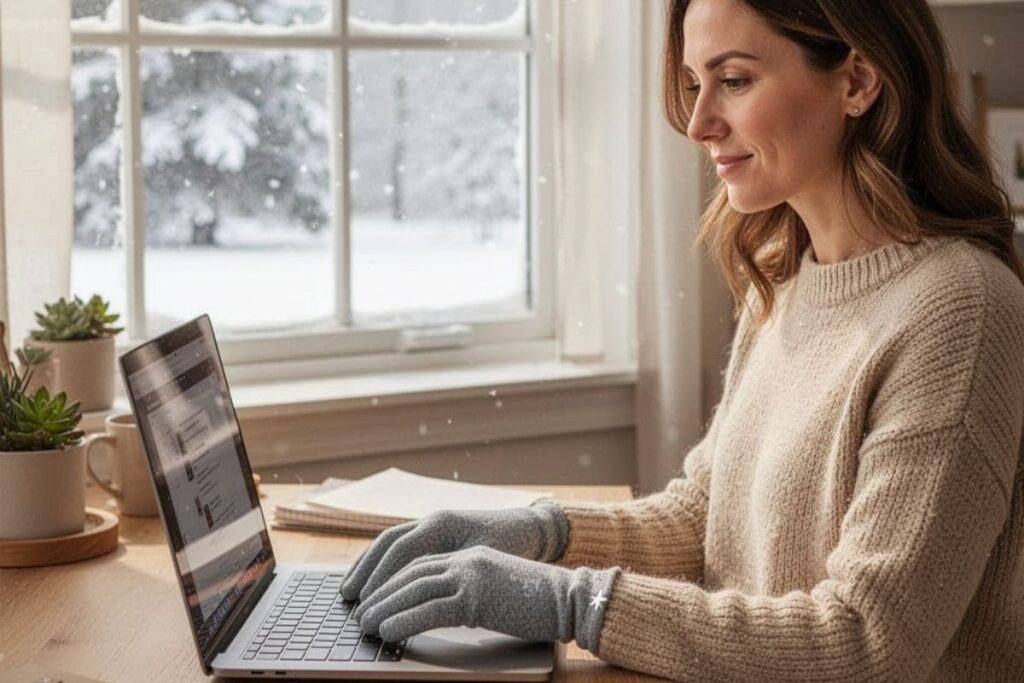
I’ve lived with a mild case of Raynaud’s syndrome for years, and keeping my hands warm has become part of my daily routine. After trying several different options, I’ve found gloves that work well both indoors and outdoors while still letting me use my phone and computer comfortably.
Whether you’re looking for lightweight gloves to wear while working or warmer gloves for winter weather, here’s what I’ve learned.
Table of Contents
What Is Raynaud’s Disease?

Raynaud’s disease, also called Raynaud’s phenomenon, is a condition that causes the small blood vessels in your fingers and toes to narrow more than usual when exposed to cold temperatures or emotional stress. This temporarily reduces blood flow, causing affected areas to change color and feel extremely cold.
Many people experience their fingers turning:
- White as blood flow decreases
- Blue as oxygen levels drop
- Red as circulation returns
During an episode, your fingers may also feel:
- Numb
- Painful
- Tingly
- Like they’re being pricked with pins and needles
- Swollen as they warm back up
Although fingers are most commonly affected, Raynaud’s can also involve the toes, ears, nose, and, less commonly, the lips.
Raynaud’s is often associated with other chronic conditions, including fibromyalgia, lupus, scleroderma, and chronic fatigue syndrome.
Why Gloves Help People with Raynaud’s
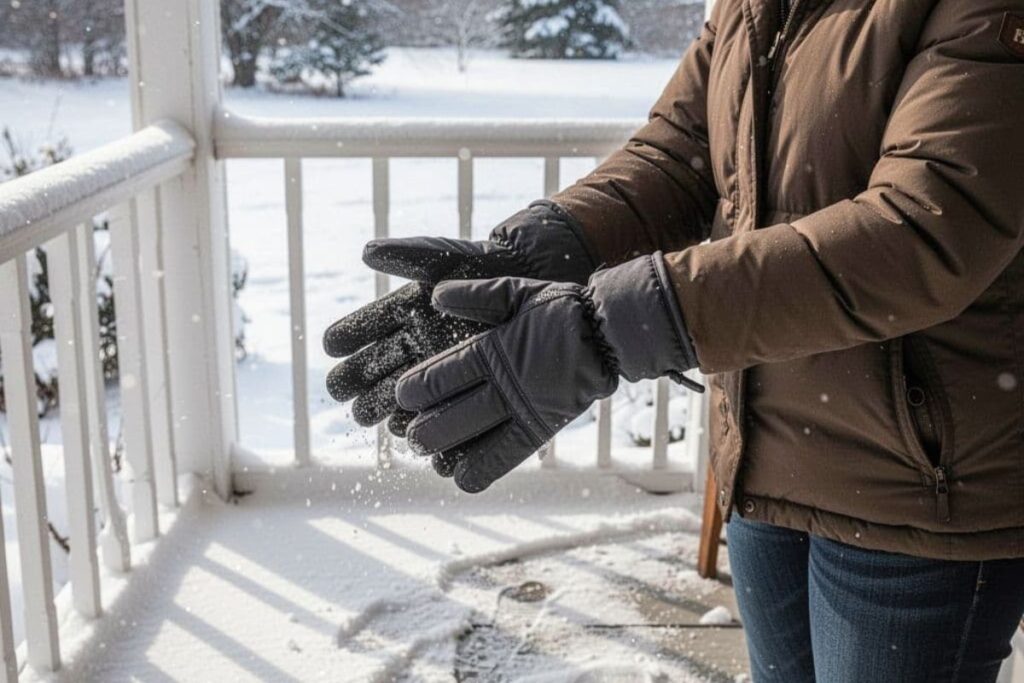
One of the best ways to reduce Raynaud’s attacks is by keeping your hands warm before they’re exposed to the cold. Once an attack begins, it can take time for circulation to return.
That’s why wearing gloves isn’t just about comfort—it’s about prevention.
A good pair of Raynaud’s gloves can help:
- Keep your hands warm in cooler temperatures
- Reduce painful flare-ups
- Improve comfort during everyday activities
- Protect your hands from sudden temperature changes
- Allow you to stay active during colder months
Many people with Raynaud’s also find it helpful to wear gloves indoors, especially while working at a computer or spending time in air-conditioned environments.
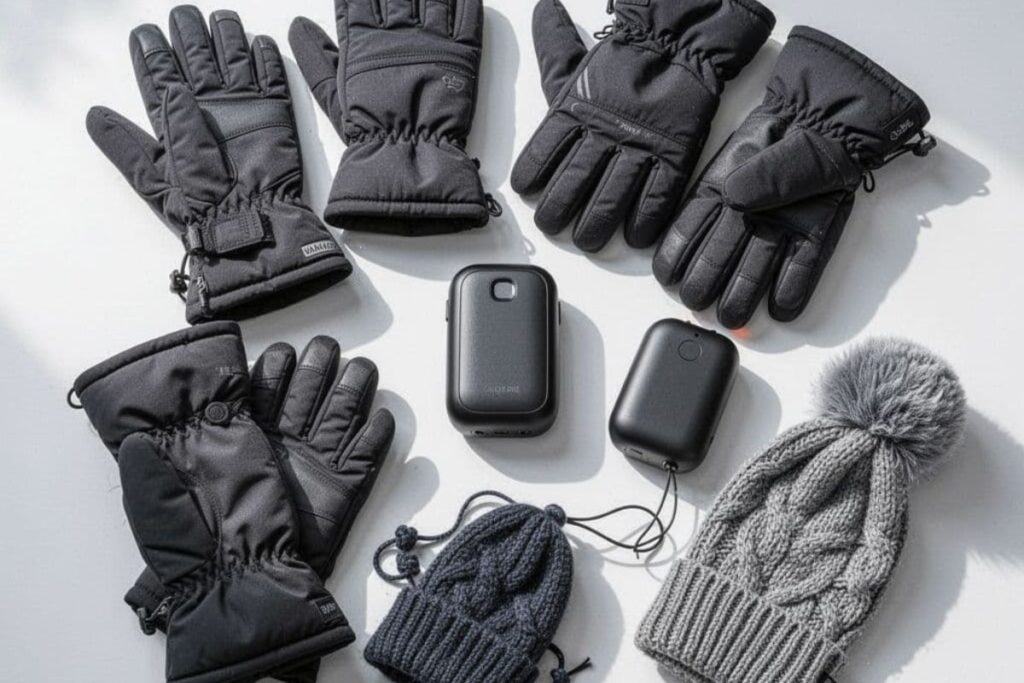
There are many different types of Raynaud’s gloves available today, from lightweight fingerless gloves for indoor use to insulated winter gloves and rechargeable heated gloves. The best Raynaud’s disease gloves are the ones that keep your hands warm without making everyday activities difficult. Choosing the right pair often depends on when and where you experience your symptoms.
What to Look for in Raynaud’s Gloves
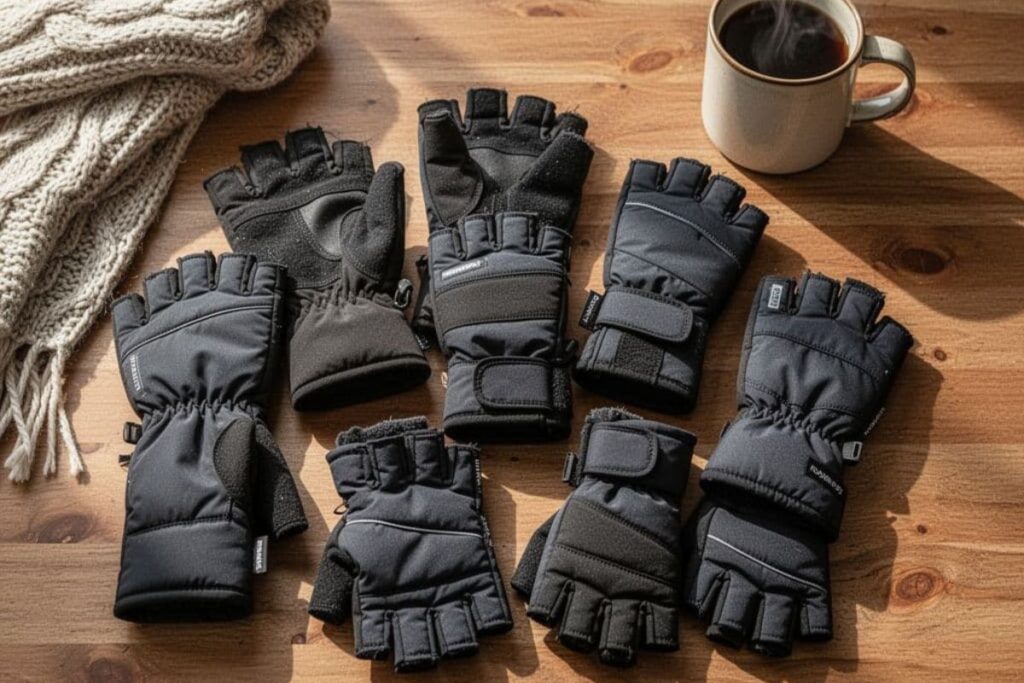
When shopping for Raynaud’s gloves, think about how you’ll use them most often. If you spend your day working on a computer, lightweight Raynaud’s disease gloves may be the better option. If you’re outside frequently during the winter, insulated Raynaud’s gloves or heated gloves may provide better protection from the cold.
Touchscreen Compatibility
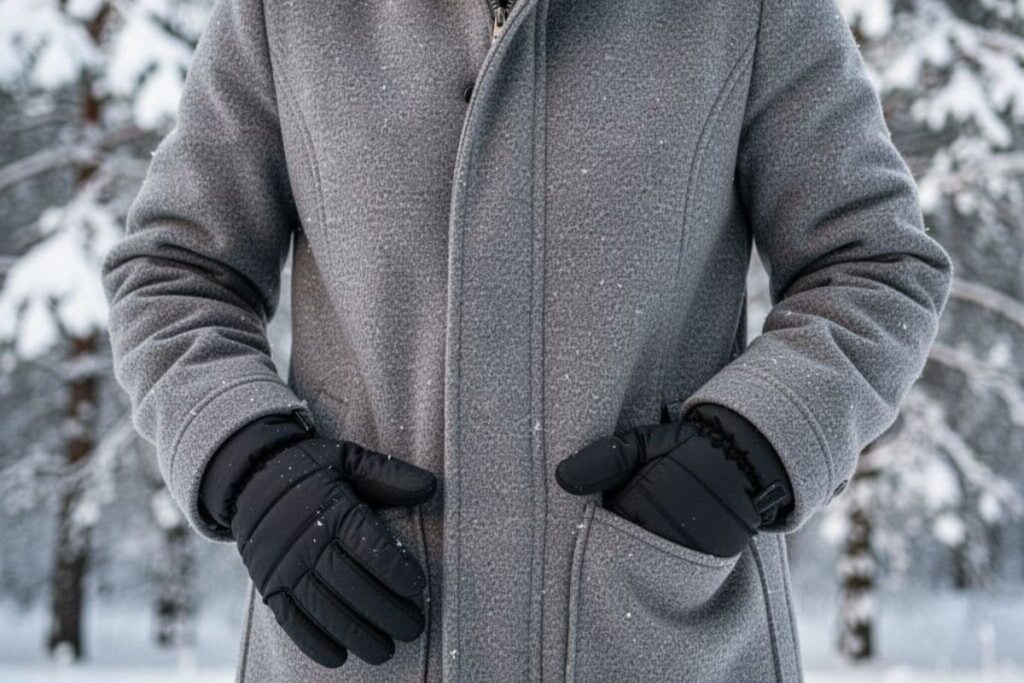
Touchscreen gloves let you use your smartphone, tablet, or other devices without removing your gloves and exposing your hands to the cold.
Comfortable Fit
Choose gloves that fit snugly without being too tight. Tight gloves can restrict circulation, while gloves that are too loose won’t trap enough warmth.
Warm but Flexible Materials
Look for materials that provide insulation while still allowing you to type, drive, shop, or complete everyday tasks.
Indoor and Outdoor Options
Having more than one pair of gloves can make daily life much easier. Lightweight gloves work well indoors, while insulated gloves provide additional warmth for outdoor activities.
My Experience with Glider Gloves

I’ve tried several different Raynaud’s gloves over the years, and Glider Gloves have become one of my favorites. Finding Raynaud’s disease gloves that keep my hands warm while still allowing me to type and use my phone wasn’t easy, but these have worked well for my daily routine.
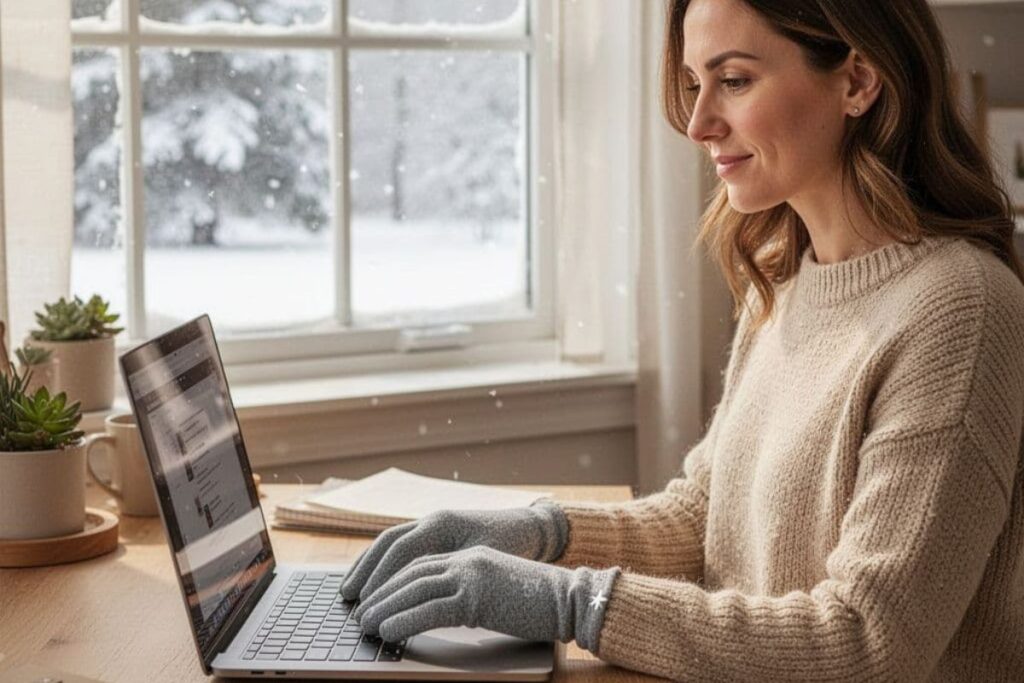
My desk sits close to a window, and during the colder months my hands become painfully cold while I’m working. Finding gloves that allow me to type comfortably has been surprisingly difficult.
I currently use the Winter Style Glider Gloves. They’re warmer and slightly bulkier, making them ideal for outdoor use during colder weather. One feature I really appreciate is that I can still use my phone without removing them, which helps prevent my hands from getting even colder.
Everyone experiences Raynaud’s differently, so what works for one person may not work for another. However, these gloves have been one of the best options I’ve found so far.
Other Ways to Keep Your Hands Warm
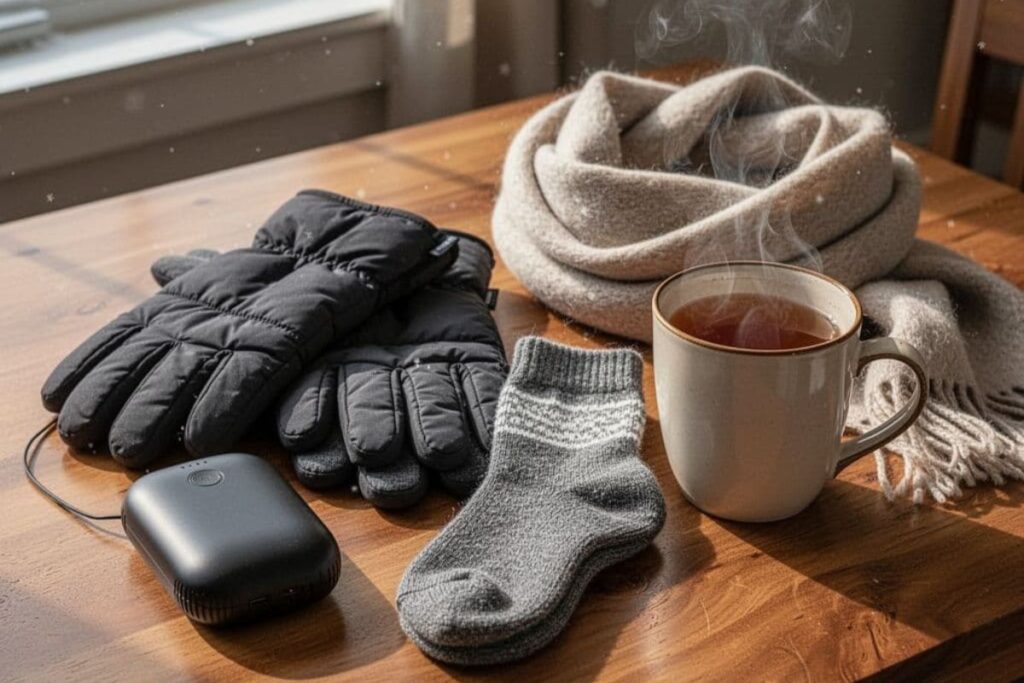
Even the best Raynaud’s gloves work better when combined with other strategies for staying warm. Wearing Raynaud’s disease gloves before your hands become cold, dressing in layers, and avoiding sudden temperature changes can all help reduce the number of flare-ups you experience.
Here are a few strategies I use:
- Put gloves on before going outside instead of waiting until my hands are already cold.
- Keep a cozy blanket nearby while working.
- Warm my hands gradually with warm (not hot) water.
- Avoid sudden temperature changes whenever possible.
- Dress in layers to help keep my entire body warm.
- Keep my core warm since body temperature affects circulation.
Many people with Raynaud’s also find rechargeable hand warmers, heated gloves, thermal glove liners, and heated desk accessories helpful during the winter months.
Common Signs and Symptoms of Raynaud’s Disease
Symptoms vary from person to person, but common signs include:
- Fingers turning white, blue, or red
- Cold hands or feet
- Numbness
- Tingling sensations
- Burning or throbbing as circulation returns
- Swelling after an episode
- Pain during or after an attack
Episodes may last only a few minutes or continue for several hours depending on the trigger and severity.
Tips from Others Living with Raynaud’s
One of the things I appreciate most about the chronic illness community is how willing people are to share what has helped them.
Diane from Turning Clock Back shares that increasing exercise helped improve her circulation. She also recommends warming your hands gradually instead of using water that’s too hot. Gentle hand massage or swinging your arms in wide circles can also help encourage blood flow.
Rebecca Louise Jones from Views from My Garden Bench says she wears fingerless gloves indoors while typing and always puts her gloves on before going outside so her hands stay warm from the start.
Carole Griffitts from Navigating the Storms says her Raynaud’s is more of a nuisance than anything else. She wears gloves anytime temperatures drop below 50 degrees and often wraps her hands in a blanket indoors to warm them naturally.
Every person’s experience with Raynaud’s is different, so it may take some trial and error to discover what works best for you.
Finding the right Raynaud’s gloves may take some trial and error, but it’s worth experimenting until you find a pair that fits your lifestyle. Some people prefer fingerless Raynaud’s disease gloves for working indoors, while others rely on insulated or heated gloves when spending time outside.
Frequently Asked Questions
Do gloves help Raynaud’s disease?
Yes. Wearing gloves helps reduce exposure to cold temperatures, one of the most common triggers for Raynaud’s attacks. Keeping your hands warm before going outside can help prevent symptoms from starting.
Are fingerless gloves good for Raynaud’s?
Fingerless gloves can be an excellent choice indoors, especially if you spend a lot of time typing, writing, or crafting. They help keep your hands warm while allowing better finger movement.
Should I wear gloves indoors?
Many people with Raynaud’s do. If your home or office tends to stay cool, lightweight gloves can make everyday tasks much more comfortable.
Are heated gloves worth it?
If you spend a lot of time outdoors during colder months, rechargeable heated gloves may provide extra warmth and help reduce cold-related flare-ups.
Can stress trigger Raynaud’s attacks?
Yes. Although cold weather is the most common trigger, emotional stress and anxiety can also cause blood vessels to narrow, leading to an episode.
Final Thoughts

Living with Raynaud’s disease can make even simple activities frustrating, especially during colder months. While there isn’t one solution that works for everyone, investing in quality Raynaud’s gloves can make a noticeable difference. The right pair of Raynaud’s disease gloves can help keep your hands warmer, reduce painful attacks, and make everyday tasks much easier.
For me, having gloves that keep my hands warm while still allowing me to type and use my phone has made everyday life much easier. Whether you’re working from home, running errands, or simply trying to stay comfortable indoors, investing in a quality pair of gloves can help you spend less time worrying about cold hands and more time enjoying your day.
If you live with Raynaud’s disease, I’d love to hear from you. What gloves or tips have helped you keep your hands warm? Share your experience in the comments below—you never know who you might help.
Track Your Symptoms and Feel Your Best
Living with a chronic illness often means paying attention to patterns in your symptoms, energy levels, and daily routines. Tracking those changes can help you better understand your triggers and discover what helps you feel your best.
If you’re looking for an easy way to stay organized, check out my Self-Care Planner. It’s designed to help you track symptoms, build healthy habits, and create a self-care routine that works for your everyday life.
Follow Me On Social Media:

Hi, I’m Gina — the creator behind Chronically Gina and Gina’s Printable Shop.
I create practical printables, wellness tools, and encouraging content to help make everyday life feel more manageable. Living with chronic illness has inspired me to share realistic routines, organization tips, meal planning ideas, and supportive resources for busy women, families, caregivers, and teachers.
My goal is to help you feel less overwhelmed and more supported with simple systems that work for real life — not perfection.