
Autumn Anxiety: 9 Simple Ways to Cope and Feel Better
This post may contain editorial samples and/or affiliate links. We earn a commission on your sales.
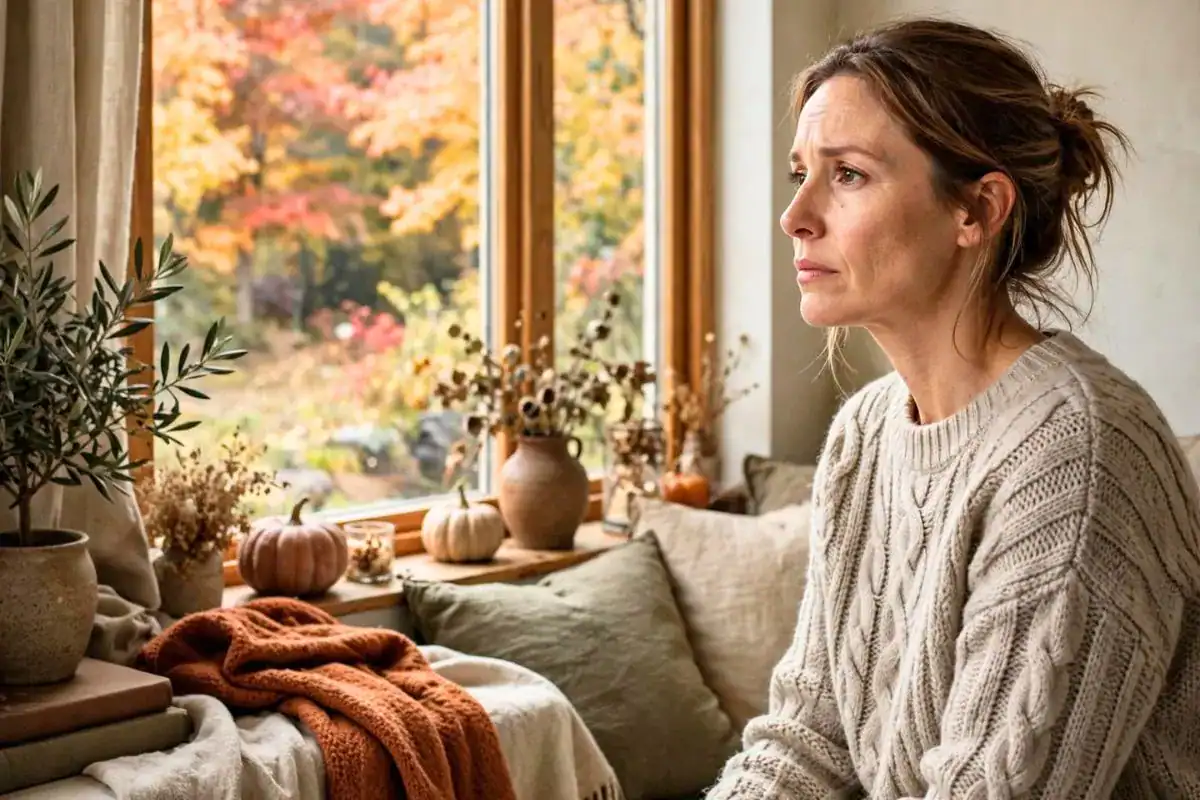
Autumn anxiety can sneak up on you when you least expect it. One minute, you’re enjoying the cooler weather and changing leaves, and the next, you’re feeling restless, overwhelmed, or worried without knowing exactly why.
Fall is supposed to be a cozy, relaxing time of year. We see pictures of pumpkin patches, beautiful fall decorations, and families enjoying everything the season has to offer. But what happens when the changing seasons bring more anxiety than excitement?

For some people, fall means shorter days, changes in routines, and the realization that winter is right around the corner. Those changes can affect how we feel, both physically and emotionally.
If you’ve noticed that your anxiety seems worse during the fall months, there may be several reasons behind it. Understanding what you’re experiencing can make it easier to find ways to manage those feelings.
Table of Contents
What Is Autumn Anxiety?
Autumn anxiety is a term used to describe feelings of worry, nervousness, or uneasiness that some people experience as summer transitions into fall.
It isn’t an official mental health diagnosis. However, that doesn’t mean the feelings aren’t real.
Some people notice that their anxiety increases around the same time every year. Others may experience it occasionally, depending on what’s happening in their lives.
You might love everything about fall and still struggle emotionally during this time of year. Enjoying a season doesn’t automatically mean you’ll feel your best throughout it.
There are many possible reasons for these changes, including less daylight, disrupted routines, and increased responsibilities.
It’s also important to understand that seasonal anxiety isn’t necessarily the same as seasonal depression. While the two can share certain symptoms, they aren’t interchangeable.
Why Does Anxiety Increase in the Fall?
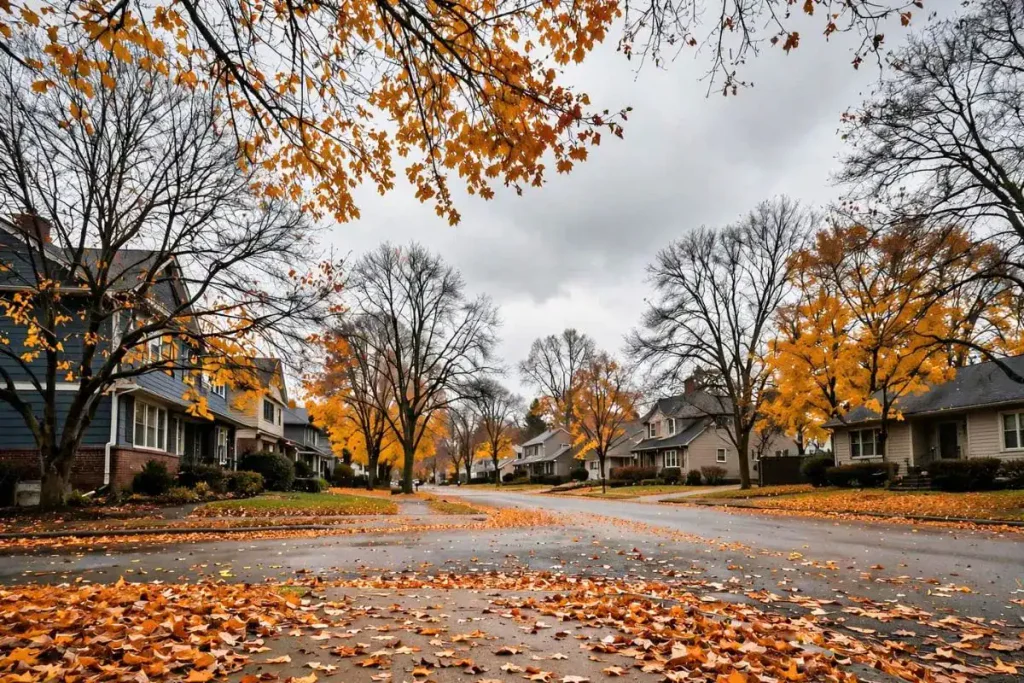
Have you ever noticed how quickly everything seems to change once September arrives?
The relaxed pace of summer disappears, schedules become busier, and suddenly, there are holidays and responsibilities to think about.
For someone already managing anxiety, these changes can feel overwhelming.
1. Shorter Days and Less Sunlight
One of the biggest changes during fall is the amount of daylight we get.
The sun starts setting earlier, and depending on where you live, you may find yourself spending more time indoors.
Daylight helps regulate our body’s internal clock, which plays an important role in sleep and mood. Changes in daylight can affect some people’s sleep patterns and emotional well-being.
This doesn’t mean everyone will develop anxiety when the days get shorter. However, if you’re sensitive to seasonal changes, you may notice a difference in how you feel.
2. Changes in Your Daily Routine
Summer often brings a different routine, especially for families with children.
When fall arrives, school schedules, work responsibilities, and extracurricular activities can make life feel busier.
Even positive changes can create stress.
Maybe you’ve finally settled into a comfortable routine, and now everything is changing again. Adjusting takes time, and sometimes our minds have a harder time keeping up than we’d like.
3. Worrying About the Upcoming Winter
For some people, fall anxiety isn’t really about fall itself.
It’s about knowing what’s coming next.
Winter can bring concerns about bad weather, limited outdoor activities, increased expenses, or feeling isolated.
If you live with chronic illness or chronic pain, you might also worry about how colder weather and winter conditions could affect your daily life.
Sometimes, anticipating those challenges is enough to make you feel anxious before winter even arrives.
4. Holiday Stress Starts Earlier Than We Realize
We often associate holiday stress with November and December, but the pressure can begin much earlier.
There are family gatherings to plan, gifts to purchase, meals to prepare, and budgets to consider.
Even if you enjoy the holidays, thinking about everything that needs to get done can become exhausting.
You may feel like you should be excited about the upcoming celebrations while also wondering how you’re going to manage everything.
5. The Emotional Side of Seasonal Changes
Not every reason for autumn anxiety has to do with schedules or sunlight.
Sometimes, the season brings up memories, feelings of loneliness, or reminders of things that have changed.
Certain times of year can be emotionally difficult, especially if you’ve experienced a loss or a significant life change.
It’s okay if your feelings about fall are complicated. You don’t have to enjoy every part of the season just because other people do.
Common Autumn Anxiety Symptoms
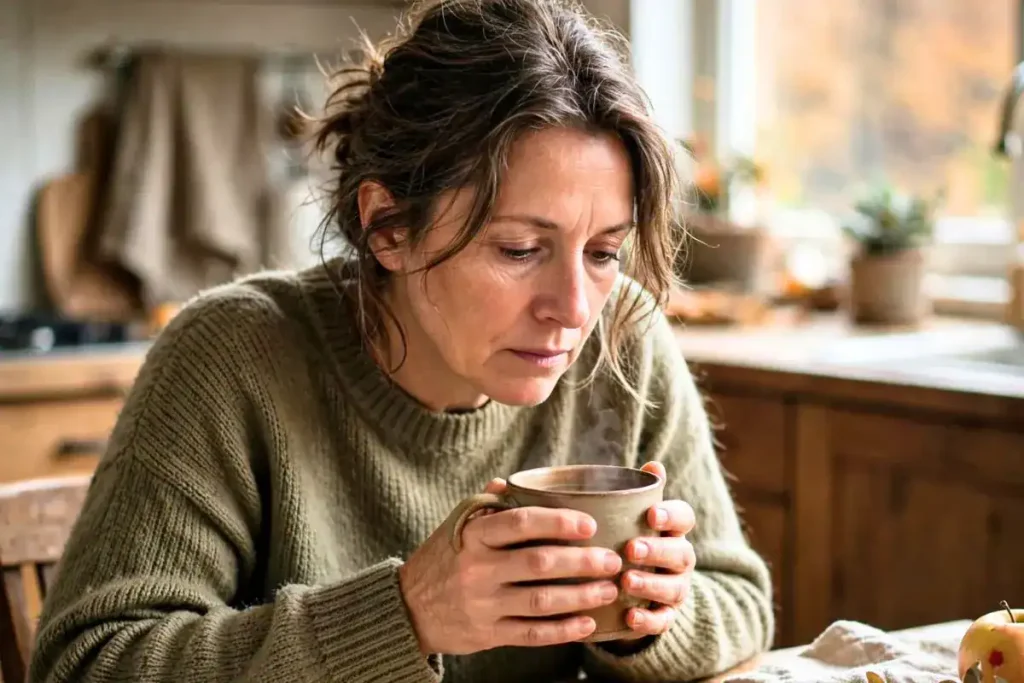
Autumn anxiety symptoms can look different from person to person.
Some people experience mostly emotional symptoms, while others notice physical changes first.
You might even experience a combination of both.
Physical Symptoms
Anxiety can affect your body in ways that aren’t always obvious.
Common physical symptoms may include:
- Feeling restless or unable to relax
- Trouble falling asleep or staying asleep
- Increased fatigue
- Muscle tension
- Headaches
- Stomach discomfort
- A racing heartbeat or feeling shaky
- Difficulty sitting still
One thing I’ve noticed with my own anxiety is how exhausting it can be.
When my anxiety is particularly bad, I sometimes find myself needing a nap during the day. It’s frustrating because I may not have done anything physically demanding, yet I feel completely drained.
Of course, fatigue can have many causes, especially when you’re also living with chronic health conditions.
That’s why it’s important not to automatically assume every physical symptom is caused by anxiety.
Emotional and Behavioral Symptoms
Fall anxiety can also affect your thoughts, emotions, and everyday habits.
You may notice:
- Worrying more than usual
- Feeling overwhelmed by small responsibilities
- Becoming irritated more easily
- Difficulty concentrating
- Feeling nervous without knowing why
- Avoiding social activities
- Losing motivation
- Constantly thinking about upcoming responsibilities
Sometimes, anxiety doesn’t look like panic or fear.
It can look like procrastinating because your to-do list feels too overwhelming. It might mean canceling plans because you don’t have the emotional energy to go anywhere.
Or perhaps you find yourself worrying about things that haven’t even happened yet.
Recognizing these patterns can help you understand when your anxiety may be increasing.
Autumn Anxiety vs. Seasonal Affective Disorder
It’s easy to confuse autumn anxiety with seasonal affective disorder because both can become noticeable during the fall and winter months.
However, there are some important differences.
Autumn anxiety describes feelings of nervousness, worry, or stress that appear or become worse during the fall. It isn’t a separate clinical diagnosis.
Seasonal affective disorder (SAD) is a type of depression that follows a recurring seasonal pattern.
According to the National Institute of Mental Health, winter-pattern SAD typically begins in late fall or early winter and improves during spring or summer.
Symptoms can include persistent sadness, low energy, changes in sleep or appetite, difficulty concentrating, and losing interest in activities you normally enjoy.
Someone with SAD may also experience anxiety, and a person can experience both anxiety and depression.
The important thing to remember is that you shouldn’t try to diagnose yourself based only on the time of year.
If your symptoms are interfering with your daily life, speaking with a healthcare professional can help you better understand what’s happening.
Can Being a Highly Sensitive Person Make Fall Anxiety Worse?
I’ve always considered myself a highly sensitive person. I tend to feel things deeply, and I’ve had to learn how to manage that part of myself over the years.
If you’re also sensitive to changes in your surroundings or routines, the transition into fall may feel especially noticeable.
Maybe you find yourself becoming overwhelmed by busy schedules, crowded gatherings, or too many responsibilities at once.
You might also need more quiet time to recharge after a stressful day.
Being a highly sensitive person isn’t a medical diagnosis, and it doesn’t automatically mean you’ll experience seasonal anxiety.
However, recognizing how you respond to changes can help you make adjustments that support your emotional well-being.
For me, one of the biggest lessons has been learning that I don’t have to push through everything.
Sometimes, giving myself permission to rest or simplify my plans makes a bigger difference than trying to accomplish one more thing.
9 Practical Ways to Manage Autumn Anxiety
You don’t need to completely change your lifestyle to start managing anxiety during the fall.
Small adjustments can make everyday life feel more manageable.
The goal isn’t to eliminate every anxious feeling. It’s to find healthy ways to support yourself when those feelings become difficult.
1. Spend Some Time Outside During Daylight Hours
As the days become shorter, try to make time for natural daylight when possible.
You don’t have to go on a long hike or spend hours outdoors.
Sitting outside with your morning coffee, taking a short walk, or spending a few minutes on your porch can be a simple place to start.
If chronic pain, fatigue, or mobility challenges make outdoor activities difficult, choose something that works for your abilities.
Even sitting near a window can be a pleasant way to enjoy the changing season, although it isn’t a replacement for outdoor daylight exposure.
2. Create a Simple Fall Routine
When life feels unpredictable, having a few familiar routines can provide some stability.
You don’t need an elaborate morning routine or a perfectly planned schedule.
Start with two or three things you can realistically do most days.
Maybe that means waking up around the same time, eating breakfast before checking your phone, or spending ten minutes preparing for the next day.
A routine should support your life, not become another source of stress.
And if you miss a day? That’s okay. You can always begin again.
3. Write Down What’s Making You Anxious
Sometimes, our thoughts feel much bigger when they’re constantly running through our minds.
Writing them down can help you sort through what you’re feeling.
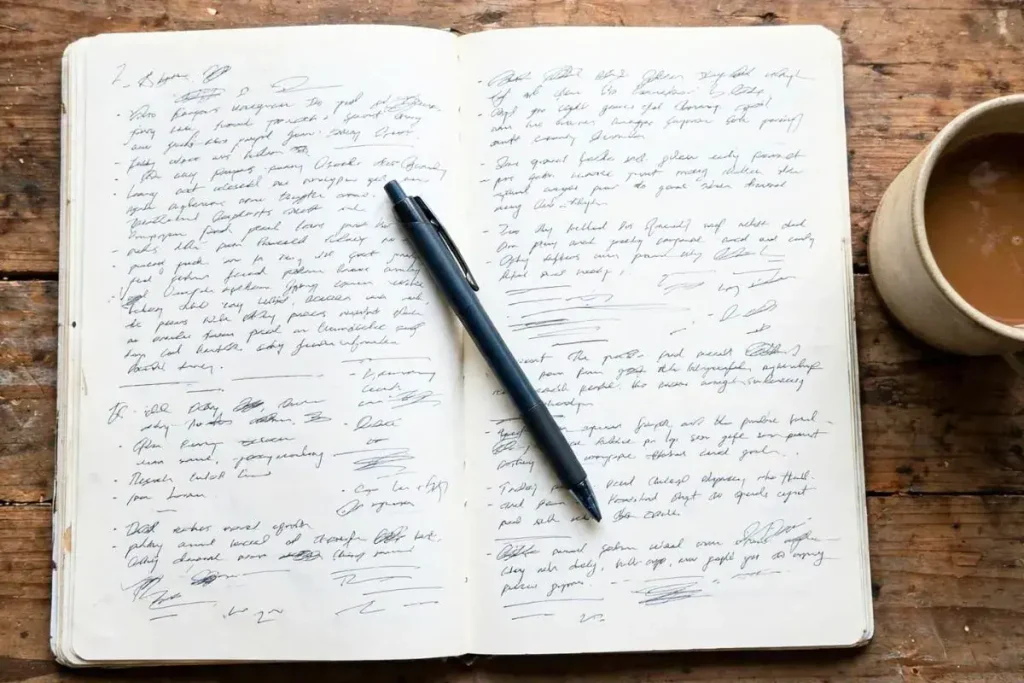
You might ask yourself:
- What am I worried about right now?
- Is this something I can control?
- What is one small thing I can do about it?
- Am I putting unnecessary pressure on myself?
- What would help me feel more supported today?
You don’t have to write pages and pages in a journal.
A few sentences can be enough.
If you enjoy journaling, you may also find that using prompts makes it easier to get started, especially when you’re unsure how to explain what you’re feeling.
4. Find Gentle Ways to Stay Active
Movement can be helpful for managing stress and supporting emotional well-being.
However, staying active doesn’t have to mean intense workouts.
You might enjoy stretching, walking around your home, doing gentle chair exercises, or participating in another activity that’s appropriate for your health.
I know that when you’re dealing with chronic illness, being told to exercise more isn’t always helpful.
Some days, getting through your normal responsibilities takes all the energy you have.
Do what you can, within your abilities and any medical guidance you’ve received. Rest is important, too.
5. Make Time for Activities You Enjoy
When anxiety increases, it’s easy to stop doing the things that help us feel good.
We become focused on responsibilities, worries, and everything we think we should be doing.
Try to make room for something enjoyable, even if it’s only for a short time.
Read a few chapters of a book, work on a craft, listen to music, or watch a favorite television show.
You could also explore a relaxing hobby that helps you focus on something other than your worries.
The activity doesn’t need to be productive.
Sometimes, doing something simply because you enjoy it is reason enough.
Another way to enjoy the season is to focus on making memories instead of worrying about everything you need to accomplish. My Fall Memories Keepsake printable is a fun way to capture some of those special fall moments. Whether you’re spending time with family or enjoying a quiet autumn day, it’s a simple reminder to appreciate the little things that make the season meaningful.
6. Break Large Responsibilities Into Smaller Tasks
One thing that can make fall anxiety worse is feeling like everything needs to be done at once.
With the holidays approaching, it’s easy to create a long list of things you want to accomplish.
Instead of looking at the entire list, choose one small task.
If you’re worried about holiday expenses, start by making a simple budget.
If your home feels overwhelming, choose one small area to organize.
If your schedule is too full, look for something you can postpone or remove.
Small steps still count as progress.
You don’t have to finish everything today.
7. Stay Connected With People Who Support You
When anxiety is high, spending time alone can sometimes feel easier than interacting with others.
There’s nothing wrong with needing quiet time.
However, withdrawing from everyone can leave you feeling more isolated.
Try reaching out to someone you trust.
You don’t necessarily need to have a serious conversation about your anxiety. Sometimes, a simple phone call or friendly message can help you feel more connected.
And if you do want to talk about what you’re experiencing, having someone listen without judgment can be comforting.
8. Pay Attention to Your Sleep Habits
Seasonal changes can affect sleep, and poor sleep can make anxiety harder to manage.
Try to keep a reasonably consistent bedtime and wake-up time.
Creating a relaxing evening routine may also help.
You could dim the lights, read a book, listen to calming music, or put away your phone a little earlier.
If you’re having ongoing sleep problems, talk with your healthcare provider rather than assuming they’re caused by the season.
9. Give Yourself Permission to Slow Down
This might be one of the most important things you can do.
We live in a world that constantly encourages us to stay busy.
There’s always another task to finish, another event to attend, or another responsibility waiting for us.
But you don’t have to fill every moment of your day.
If your anxiety is increasing, consider whether you’re expecting too much of yourself.
Can something wait until tomorrow?
Is there a commitment you can say no to?
Could you make your plans a little simpler this year?
Taking care of your mental health is just as important as completing your to-do list.
Feeling Drained and Overwhelmed?
When you’re already dealing with anxiety, keeping up with everyday responsibilities can feel exhausting. Sometimes, what you really need is a chance to slow down, check in with yourself, and figure out where your energy is going.
My free Daily Energy Reset Workbook is designed to help you become more mindful of your energy and make small adjustments to your daily routine.
You don’t have to do everything. Start by making a little more room for yourself.
When Should You Seek Help for Seasonal Anxiety?
Occasional worry during seasonal transitions doesn’t always mean something is seriously wrong.
However, anxiety deserves attention when it begins affecting your everyday life.
Consider speaking with a healthcare professional if you’re experiencing persistent worry, frequent panic attacks, ongoing sleep problems, or difficulty managing normal responsibilities.
It’s also important to seek support if you’re avoiding activities, feeling increasingly isolated, or noticing symptoms that continue to get worse.
A therapist or other qualified healthcare professional can help you identify possible triggers and develop coping strategies.
Treatment may include therapy, medication, or other approaches depending on your individual needs.
If you think you may have seasonal affective disorder, ask about an appropriate evaluation. Treatments such as light therapy aren’t right for everyone, and supplements shouldn’t be started without considering your health conditions and medications.
You don’t have to wait until your symptoms become unbearable before asking for help.
Frequently Asked Questions About Autumn Anxiety
Is autumn anxiety a real condition?
Autumn anxiety is a term used to describe anxiety that appears or worsens during the fall months. Although it isn’t a formally recognized mental health diagnosis, the feelings people experience can be very real.
Why do I feel anxious when fall starts?
There may be several reasons, including shorter daylight hours, changes in routines, holiday responsibilities, and worries about the approaching winter. Personal circumstances can also influence how you respond to seasonal changes.
Can seasonal anxiety cause fatigue?
Anxiety can contribute to fatigue, especially when you’re experiencing ongoing worry, muscle tension, or difficulty sleeping. However, fatigue has many possible causes, so persistent or unexplained tiredness should be discussed with a healthcare professional.
How long does fall anxiety last?
There’s no set timeline. Some people notice their anxiety improves once they adjust to their fall routine, while others may experience symptoms for a longer period. If your anxiety continues or interferes with daily activities, consider seeking professional support.
What helps with anxiety during the fall?
Helpful strategies may include maintaining a consistent routine, spending time outdoors, getting enough sleep, staying connected with supportive people, journaling, and breaking overwhelming tasks into smaller steps. Different approaches work for different people.
Final Thoughts on Autumn Anxiety
Fall can be a beautiful time of year, but that doesn’t mean it’s easy for everyone.
If you’re struggling with autumn anxiety, remember that you don’t have to force yourself to enjoy every seasonal activity or keep up with everyone else’s plans.
Pay attention to how you’re feeling. Make adjustments when you need to, and don’t hesitate to ask for support.
You can enjoy the little things about fall while still acknowledging that this season brings challenges.
Maybe this year, instead of trying to make autumn perfect, you can focus on making it a little more peaceful.
I’d love to hear from you. Do you notice your anxiety changing with the seasons, or is there something about fall that helps you feel more relaxed?
Follow Me On Social Media:

Hi, I’m Gina — the creator behind Chronically Gina and Gina’s Printable Shop.
I create practical printables, wellness tools, and encouraging content to help make everyday life feel more manageable. Living with chronic illness has inspired me to share realistic routines, organization tips, meal planning ideas, and supportive resources for busy women, families, caregivers, and teachers.
My goal is to help you feel less overwhelmed and more supported with simple systems that work for real life — not perfection.


