


Foods to Avoid With Fibromyalgia: Smart Tips to Feel Better
This post may contain editorial samples and/or affiliate links. We earn a commission on your sales.

If you’re wondering about foods to avoid with fibromyalgia, you’re probably hoping that changing what you eat might help you have a few more good days. When you’re already dealing with pain, fatigue, brain fog, and unpredictable flare-ups, the last thing you need is another long list of rules telling you what you can and can’t eat.
I’ve been living with fibromyalgia for a long time, and one thing I’ve learned is that managing it usually isn’t about finding one magical solution. It’s about figuring out the little things that help your body feel its best and making those things work in your everyday life.
Food can be one piece of that puzzle.
There isn’t one specific fibromyalgia diet that works for everyone. Some people notice that certain foods seem to make their symptoms worse, while someone else may eat those same foods without a problem. That’s why I think it’s more helpful to pay attention to your own patterns instead of immediately cutting a long list of foods out of your diet.
In this guide, we’re going to look at some foods that may be worth paying closer attention to, how an anti-inflammatory diet for fibromyalgia may fit into your overall eating habits, and simple ways to figure out whether certain foods seem to affect your symptoms.
The goal isn’t to make eating more stressful. It’s to give you a place to start so you can make choices that feel realistic for you and your body.
Table of Contents
What Is Fibromyalgia?
Fibromyalgia is a chronic condition that can cause widespread pain along with fatigue, trouble sleeping, and problems with memory or concentration (often called fibro fog). Symptoms can look a little different from one person to another, which is one reason living with fibromyalgia can sometimes feel so unpredictable.
If you’re newer to fibromyalgia or want a deeper look at what it can feel like, I have a full guide on Understanding Fibromyalgia: Signs and Symptoms that walks through the common signs and symptoms in more detail.
For this post, though, I want to focus specifically on food and a question I know many of us eventually ask: can what we eat actually affect how we feel?
Can Food Affect Fibromyalgia Symptoms?
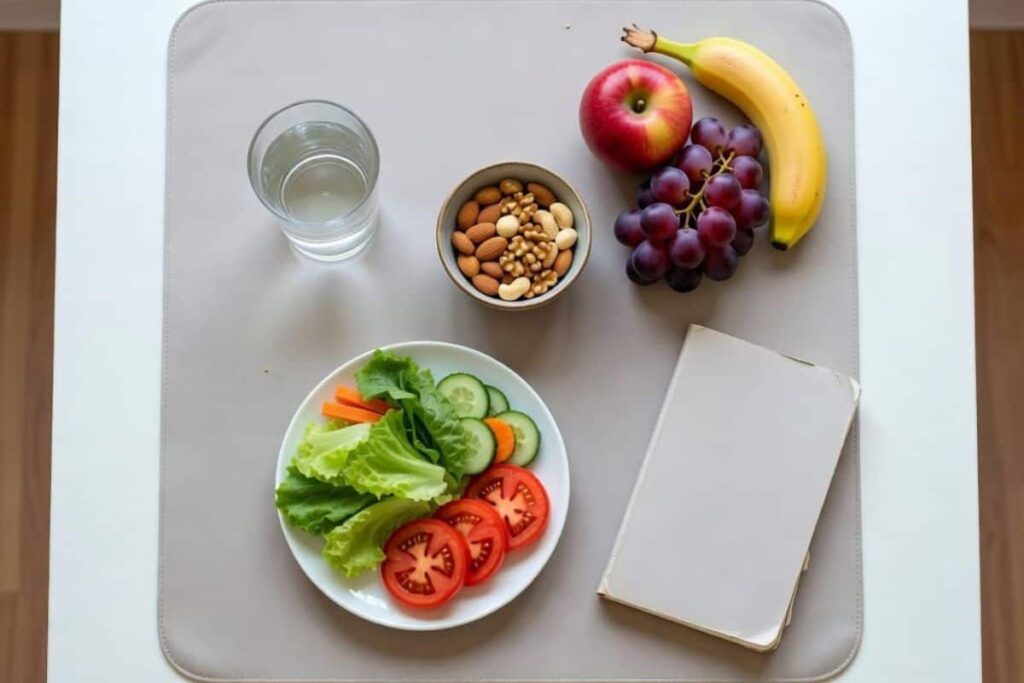
This is where things can get a little confusing because there isn’t one specific diet that has been proven to work for everyone with fibromyalgia.
When you start researching foods to avoid with fibromyalgia, you may hear that you need to completely give up sugar, gluten, dairy, nightshades, or a long list of other foods.
Before you start clearing out your kitchen, remember that what bothers one person may not bother you at all.
Research into diet and fibromyalgia is still developing. Some dietary approaches have shown promising results in small studies, but there isn’t enough strong evidence yet to say that everyone with fibromyalgia should follow one particular diet.
That doesn’t mean your food choices don’t matter. It simply means it can be more helpful to look for patterns in your symptoms instead of assuming every food on an avoid list needs to disappear from your kitchen.
Pay attention to how you feel after meals. Do you notice more fatigue after certain foods? More digestive problems? Does something seem to show up repeatedly before a particularly rough day?
Writing those things down can help you spot patterns that are really easy to miss when you’re trying to remember everything later.
And you don’t have to change your entire diet overnight. Start small. Pay attention. Give yourself time to figure out what works for your body.
Foods to Avoid With Fibromyalgia

When you start looking for foods to avoid with fibromyalgia, you can end up with a pretty intimidating list. Sugar. Gluten. Dairy. Caffeine. Nightshades. Sometimes it starts to feel like there’s nothing left you’re actually allowed to eat.
I don’t think that’s a very realistic way to approach food, especially when you’re already managing pain and fatigue.
There isn’t a universal list of foods that everyone with fibromyalgia needs to avoid. Instead, think of the foods below as things you may want to pay attention to. If you notice that one consistently seems to go along with worse symptoms, that’s something you can track and discuss with your doctor or a registered dietitian.
1. Foods High in Added Sugar
Cookies, candy, sugary drinks, pastries, and other sweets can add a lot of added sugar to your diet without providing much nutritional value.
You don’t necessarily need to swear off dessert forever. Instead, look at how much added sugar you’re eating throughout the day. You may be surprised by how quickly it adds up, especially when you include things like sweetened drinks, flavored coffee, cereal, sauces, and packaged snacks.
Added sugar is often mentioned when discussing foods to avoid with fibromyalgia, but that doesn’t mean you can never enjoy something sweet. If you think sugary foods affect how you feel, try paying attention to your symptoms on days when you eat more of them. You may find a pattern, or you may find that an occasional treat doesn’t bother you at all.

2. Highly Processed Foods
When fatigue hits, convenience foods can be a lifesaver. I understand that completely. There are going to be days when cooking a meal from scratch simply isn’t happening.
Highly processed foods also frequently show up on lists of foods to avoid with fibromyalgia, but you don’t have to clear every convenience food out of your kitchen.
The goal doesn’t have to be eliminating every processed food from your kitchen.
Instead, try adding more whole or minimally processed foods when you have the energy and ability to do it. Fruit, vegetables, whole grains, beans, nuts, eggs, fish, and other simple foods can help you build meals with more fiber and nutrients.
And on the days when convenience wins? Feed yourself. One meal doesn’t make or break your entire diet.
3. Fried and Fast Foods
Fried and fast foods are also commonly included when talking about foods to avoid with fibromyalgia. But fast food can be a lifesaver when you’re having a low-energy day. It’s quick, easy, and sometimes exactly what you have the energy for.
Rather than putting fast food on a completely forbidden list, consider how often you’re eating it and how you feel afterward. Fried and fast foods can be high in sodium, saturated fat, and calories while being lower in fiber and some of the nutrients you would get from a more balanced meal.
If you notice you don’t feel as well after certain meals, that information can help you decide whether you want to eat them less often or choose something different next time.
4. Alcohol
Alcohol is another one you’ll often see mentioned among foods to avoid with fibromyalgia, especially because sleep problems and fatigue are already common when you’re living with fibromyalgia.
It can also interact with certain medications, so this is one area where it’s especially important to talk with your doctor or pharmacist about what is safe for you.
If you do drink alcohol and notice that your sleep, fatigue, headaches, or other symptoms seem worse afterward, consider tracking that pattern.
5. Too Much Caffeine
I know giving up your morning coffee may not be high on your list of things you’re excited to do, and you may not need to.
Caffeine also tends to appear on lists of foods to avoid with fibromyalgia, but the amount you drink and when you drink it may matter more than automatically giving it up.
The bigger thing to watch is how much caffeine you’re getting and when you’re having it.
It can be tempting to reach for another cup of coffee or an energy drink when fibromyalgia fatigue is dragging you down. But caffeine later in the day can interfere with sleep for some people. When you’re already struggling with fatigue, anything that makes a good night’s sleep harder deserves a little attention.
Try noticing whether cutting back or moving your last caffeinated drink earlier in the day makes any difference in how you sleep.
6. Gluten, If You Have a Sensitivity
Gluten gets mentioned frequently when people talk about foods to avoid with fibromyalgia, but that doesn’t mean everyone with fibromyalgia needs to follow a gluten-free diet.
If you have celiac disease or another diagnosed gluten-related condition, avoiding gluten is a different situation. Otherwise, there isn’t enough evidence to recommend that everyone with fibromyalgia automatically remove it.
If you suspect gluten is causing digestive problems or other symptoms, talk with your healthcare provider before making a major dietary change. It may be worth investigating instead of trying to diagnose the problem yourself.
7. Dairy, If It Bothers You
Dairy is another food group that sometimes appears on lists of foods to avoid with fibromyalgia.
But just like gluten, it isn’t something everyone needs to eliminate.
If milk, cheese, ice cream, or other dairy products consistently seem to cause digestive discomfort or other symptoms, write that down and look for a pattern. If dairy doesn’t bother you, there may be no reason to remove an entire food group from your diet.
This is exactly why paying attention to your own body can be much more useful than following a generic list you found online.
What About Nightshade Vegetables?
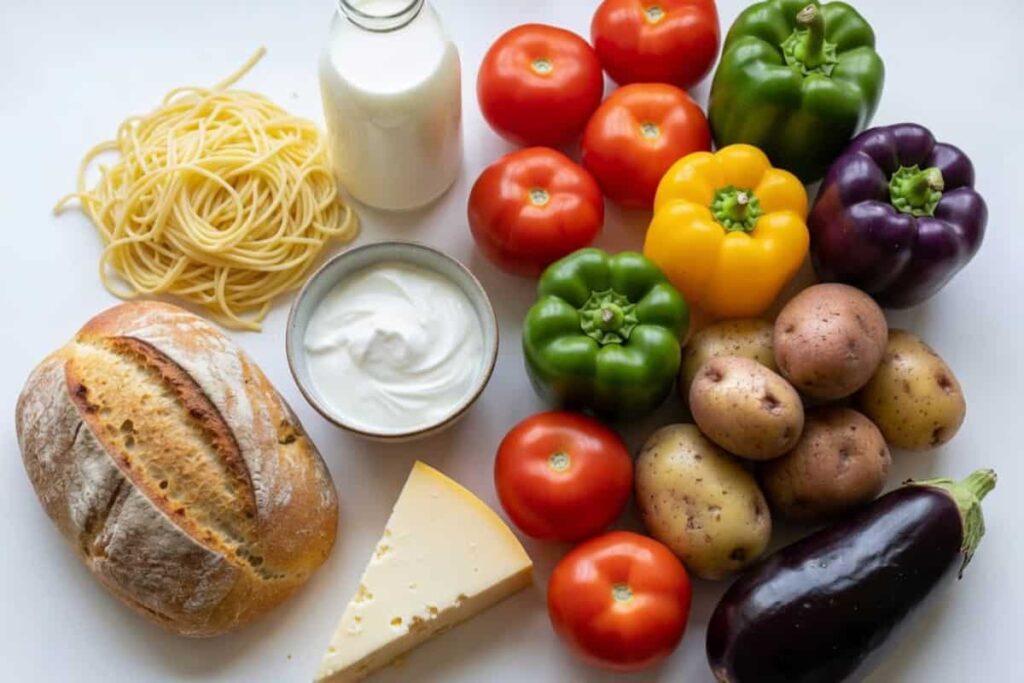
Tomatoes, potatoes, peppers, and eggplant sometimes appear on lists of foods to avoid with fibromyalgia because they’re nightshade vegetables.
There isn’t good evidence showing that everyone with fibromyalgia needs to avoid nightshades.
Unless you’ve noticed that a particular food bothers you or your healthcare provider has recommended avoiding it for another reason, you don’t need to automatically eliminate nutritious vegetables simply because they belong to the nightshade family.
That’s one of the biggest things I want you to take away from this updated guide: you don’t need to make eating harder than it already is.
Start with your normal diet, pay attention to patterns, and make changes when you actually have a reason to make them.
What Should You Eat With Fibromyalgia?

After reading about foods to avoid with fibromyalgia, you may be wondering what that leaves you with. Thankfully, eating with fibromyalgia doesn’t have to mean following a complicated diet or buying a bunch of special foods.
A good place to start is simply building more of your meals around foods that give your body a variety of nutrients. Think fruits and vegetables, whole grains, lean proteins, beans, nuts, seeds, fish, and healthy fats such as olive oil.
You also don’t have to overhaul everything at once.
If vegetables aren’t a regular part of your dinner right now, try adding one. Swap one snack for fruit and a handful of nuts. Add some berries to your breakfast. Small changes are much easier to stick with than waking up one morning and deciding you’re going to completely change the way you eat.
And when fibromyalgia fatigue makes cooking feel like way too much work, keep things simple. Frozen vegetables, pre-cut produce, canned beans, rotisserie chicken, microwaveable whole grains, and other shortcuts can make putting together a balanced meal much more manageable.
There is nothing wrong with making food easier on the days when your energy is low.
This is also where an anti-inflammatory diet for fibromyalgia can give you some ideas about foods to add rather than only focusing on what you should take away.
What About an Anti-Inflammatory Diet for Fibromyalgia?

You’ll probably come across the term anti-inflammatory diet for fibromyalgia when you start researching what to eat.
An anti-inflammatory eating pattern isn’t necessarily a strict diet with a long list of rules. It generally focuses more on whole and minimally processed foods, including fruits, vegetables, whole grains, beans, nuts, seeds, fish, and healthy fats.
One eating style you may hear about is the Mediterranean diet. It emphasizes many of those same foods, along with olive oil as a primary source of fat.
When you’re looking into an anti-inflammatory diet for fibromyalgia, you’ll probably see Mediterranean-style eating mentioned quite a bit. There has been some promising research into this way of eating and fibromyalgia symptoms, but I wouldn’t look at it as another diet you have to follow perfectly.
Instead, you can borrow the parts that work for you.
Maybe that means eating fish more often. Maybe it’s adding more colorful vegetables to dinner or using olive oil when you cook. It could be as simple as keeping nuts or fruit around for an easy snack.
Those little changes count.
Easy Foods to Keep on Hand

One thing I’ve learned from living with chronic illness is that planning meals when you feel good and actually making those meals when you don’t feel good can be two completely different things.
Keeping a few easy options around can help.
If you’re experimenting with an anti-inflammatory diet for fibromyalgia, having some simple staples around can make those choices much easier on low-energy days.
Some simple choices include:
- Frozen fruits and vegetables
- Oatmeal and other whole-grain cereals
- Brown rice or other easy-to-prepare whole grains
- Canned or frozen beans
- Eggs
- Canned tuna or salmon
- Nuts and seeds
- Greek yogurt, if you tolerate dairy
- Pre-cut vegetables
- Fresh fruit
- Chicken or turkey
- Olive oil
- Whole-grain bread or wraps
You don’t need all of these. Pick the foods you actually enjoy and know you’ll eat.
Having a few easy meals planned ahead of time can also take some of the decision-making off your plate when you’re tired or hurting.
Make Meal Planning a Little Easier

Figuring out what to eat can feel like one more thing on your plate, especially on days when pain or fatigue is already taking up most of your energy.
My Recipe Collection & Meal Planner gives you one place to keep the recipes you actually enjoy, plan your meals, and stay a little more organized when it comes to grocery shopping. You can use it to build a collection of easy meals that work well for you, so you’re not starting from scratch every time you need to figure out what to eat.
Take a Look at the Recipe Collection & Meal Planner
Looking for simple printables that help make everyday life feel a little less overwhelming? From planners and wellness tools to educational activities and family organization printables, you’ll find supportive resources designed for real life inside Gina’s Printable Shop.
How to Identify Your Fibromyalgia Trigger Foods
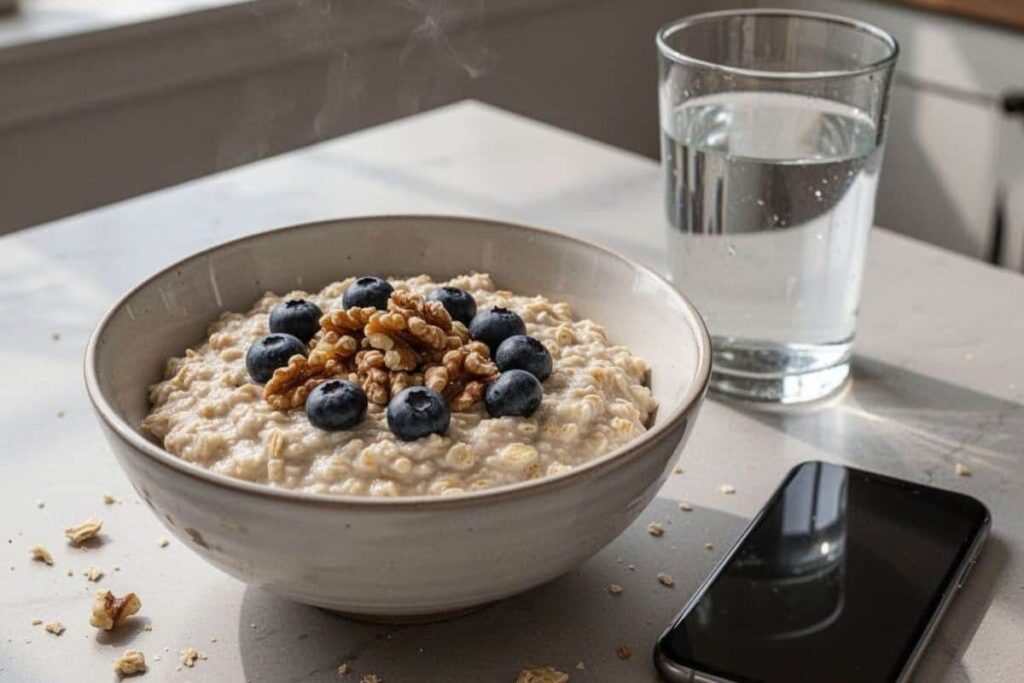
When you’re trying to figure out which foods to avoid with fibromyalgia, it can be tempting to cut out several things at once and hope you feel better.
The same goes for trying an anti-inflammatory diet for fibromyalgia. You don’t need to change everything at once to see whether eating differently works better for you.
The problem with doing that is that you may not know which change actually made a difference.
Instead, start by paying attention to what you eat and how you feel afterward. You don’t have to track every bite forever. Even keeping notes for a couple of weeks may help you notice patterns you hadn’t picked up on before.
Write down what you eat along with symptoms that matter to you, such as:
- Pain levels
- Fatigue
- Headaches
- Digestive problems
- Sleep
- Brain fog
- Changes in your energy
- Fibromyalgia flare-ups
Don’t worry about making your notes perfect. You’re simply looking for patterns.
For example, maybe you notice that you consistently sleep poorly after having caffeine later in the afternoon. Or perhaps a certain meal seems to leave you feeling uncomfortable every time you eat it.
One occurrence doesn’t necessarily mean a particular food is the problem. Look for something that happens repeatedly before deciding you need to change your diet.
Be Careful With Elimination Diets
If you think a certain food is affecting your fibromyalgia symptoms, you may be tempted to cut it out completely to see what happens. But eliminating several foods or entire food groups at once can make it difficult to figure out what’s actually affecting you.
It can also make eating more restrictive than it needs to be.
Start by tracking what you eat and how you feel. If you begin noticing the same pattern over and over again, talk with your doctor or a registered dietitian about what you’re experiencing. They can help you decide whether an elimination diet or another approach makes sense for you.
Making one thoughtful change at a time can give you much more useful information than changing everything at once.
Keep Track of Your Pain, Too
Food is only one piece of living with fibromyalgia. Your pain can change along with your sleep, activity level, stress, and other parts of your day, which is why looking at the bigger picture can be helpful.
I created a free one-page Pain Evaluation that gives you a simple place to record what you’re experiencing. It’s the same type of information that’s easy to forget when you’re sitting in a doctor’s office trying to remember how you’ve felt over the last several days.
The Pain Evaluation is actually one page from my full Chronic Pain Management Binder, so you can try it for free and see whether this kind of tracking works for you.
You don’t need to track everything forever. The goal is simply to have useful information that can help you notice patterns and make conversations with your healthcare provider a little easier.
Want a More Complete Way to Track Your Pain?
If you find the free Pain Evaluation helpful and want to keep more of your chronic pain information organized in one place, my Chronic Pain Management Binder gives you additional pages and tools for managing and tracking life with chronic pain.
Take a Look at the Chronic Pain Management Binder
What If a Food Seems to Trigger a Fibromyalgia Flare-Up?
Even when you’re paying attention to foods to avoid with fibromyalgia, flare-ups can still happen. Fibromyalgia symptoms can change for many reasons, and it isn’t always easy to pinpoint one specific cause.
If you notice that you feel worse after eating a certain food, write it down rather than immediately deciding you can never eat that food again. Look at what else was happening around the same time. How did you sleep? Were you more active than usual? Were you dealing with extra stress? Had you eaten that food before without a problem?
Over time, those little details can help you see whether there really is a pattern.
And if you do find yourself in the middle of a rough flare, food doesn’t need to become another thing you have to get perfect. Sometimes the priority is simply getting through the day, resting when you need to, staying hydrated, and choosing foods that are easy for you to prepare and eat.
I know how frustrating flare-ups can be, especially when you can’t figure out what caused them. I share more of the things you can do when symptoms increase in How to Deal With Fibromyalgia Flare-Ups Better & Easier.
Make Eating Easier on Low-Energy Days
Knowing what you want to eat and having the energy to prepare it are two very different things.
On a good day, cooking dinner might not seem like a big deal. On a high-pain or high-fatigue day, even deciding what to make can feel exhausting.
This is where having a few backup options can make life easier.
Keep meals simple when you need to. A sandwich with fruit, scrambled eggs and whole-grain toast, yogurt with berries and nuts, soup with a side salad, or a rotisserie chicken with frozen vegetables can still get food on the table without requiring a lot of prep work.
You can also make things easier for yourself when you have a little more energy. Cook enough for leftovers, freeze individual portions, keep a running list of your easiest meals, or stock a few ingredients you can turn into dinner without much thought.
You don’t have to cook everything from scratch for your food choices to count.
If you’re trying an anti-inflammatory diet for fibromyalgia, the same idea applies. Focus on adding foods that fit that style of eating when it’s practical rather than expecting yourself to prepare a picture-perfect meal every day.
Some days you’ll have more energy than others. Work with the energy you have instead of making food another source of pressure.
Simple Tips for Changing Your Diet With Fibromyalgia
Changing the way you eat can feel overwhelming, especially when you’re already dealing with pain, fatigue, and everything else fibromyalgia can bring. You don’t need to change your entire diet at once.
A few small changes can be much easier to manage.
Start With One Change
Pick one thing you want to work on instead of trying to completely change how you eat overnight.
Maybe you want to drink more water, add a vegetable to dinner, eat less added sugar, or keep a few healthier snacks within easy reach. Give yourself time to get comfortable with that change before adding another one.
Small changes are still progress.
Add Before You Take Away
When you’re researching foods to avoid with fibromyalgia, it’s easy to focus entirely on everything you think you need to stop eating.
Try looking at what you can add, too.
Could you add berries to your breakfast? Keep some nuts nearby for an easy snack? Add frozen vegetables to a quick dinner? Use olive oil more often when you’re cooking?
Thinking about what you can add to your meals can make changing your eating habits feel a lot less restrictive.
Plan for Your Low-Energy Days
Don’t build your meal plan around how you eat on your very best days. Plan for the days when you’re tired and hurting, too.
Keep a few meals around that require very little effort. Frozen vegetables, canned beans, eggs, precooked chicken, microwaveable grains, soup, and other convenience foods can help you put something together without spending a long time in the kitchen.
If you have extra energy one day, you might also make a double batch of something and freeze the leftovers. Your future tired self may be very happy you did.
Don’t Label Foods as Good or Bad
Food doesn’t have to fall into two categories.
You can eat nutritious foods most of the time and still enjoy a favorite dessert, takeout meal, or snack. Unless there’s a medical reason you need to avoid a particular food, you don’t have to create a long list of foods that are completely off-limits.
An anti-inflammatory diet for fibromyalgia can be about your overall eating pattern rather than making every single meal perfect.
Pay Attention to What Works for You
Your experience matters.
If something consistently seems to make you feel worse, write it down and look for a pattern. If a food you’ve been told to avoid doesn’t seem to bother you, that’s useful information too.
You aren’t trying to create the perfect fibromyalgia diet. You’re trying to find realistic eating habits that work with your body, your energy, and your everyday life.
And that may look a little different for each of us.
Frequently Asked Questions About Fibromyalgia and Food
What is the best diet for fibromyalgia?
There isn’t one diet that has been proven to be best for everyone with fibromyalgia. A balanced eating pattern that includes plenty of fruits, vegetables, whole grains, lean proteins, and healthy fats is a good place to start.
Some people also choose to follow a Mediterranean-style or anti-inflammatory diet for fibromyalgia. Instead of trying to follow a strict diet perfectly, focus on nutritious foods you enjoy and pay attention to how different foods make you feel.
What foods should you avoid if you have fibromyalgia?
There isn’t one universal list of foods to avoid with fibromyalgia because food triggers can vary from person to person.
You may want to pay closer attention to foods high in added sugar, highly processed foods, fried foods, alcohol, and excessive caffeine. Gluten or dairy may also cause problems for some people, but that doesn’t mean everyone with fibromyalgia needs to eliminate them.
Tracking your food and symptoms can help you identify whether you have personal triggers.
Should I avoid sugar if I have fibromyalgia?
You don’t necessarily have to completely eliminate sugar.
Instead, pay attention to how much added sugar you’re getting from foods and drinks throughout the day. Cutting back on sugary drinks, candy, pastries, and other foods with a lot of added sugar can be one part of building an overall balanced eating pattern.
If you think sugar affects your symptoms, track what you eat and how you feel rather than assuming you can never have something sweet again.
Should people with fibromyalgia avoid gluten?
Not everyone with fibromyalgia needs to avoid gluten.
If you have celiac disease or another diagnosed gluten-related condition, your healthcare provider may recommend a gluten-free diet. If you don’t have one of those conditions but suspect gluten bothers you, talk with your doctor or a registered dietitian before removing it from your diet.
This is especially important if you’re experiencing ongoing digestive symptoms that haven’t been evaluated.
Are nightshade vegetables bad for fibromyalgia?
There isn’t good evidence that everyone with fibromyalgia needs to avoid nightshade vegetables such as tomatoes, peppers, potatoes, and eggplant.
Unless you notice that a particular food consistently bothers you or you’ve been advised to avoid it for another medical reason, you don’t need to automatically remove these vegetables from your diet simply because they’re nightshades.
Can changing my diet stop fibromyalgia flare-ups?
Diet may be one part of managing how you feel, but changing what you eat can’t guarantee that you won’t have another flare-up.
Fibromyalgia symptoms can be unpredictable, and many things may affect how you feel from one day to the next. That’s why it can be helpful to look at your overall patterns instead of blaming one meal every time your symptoms increase.
If you’re struggling with a flare, you can find more practical ideas in my guide on How to Deal With Fibromyalgia Flare-Ups Better & Easier.
Finding What Works for Your Body
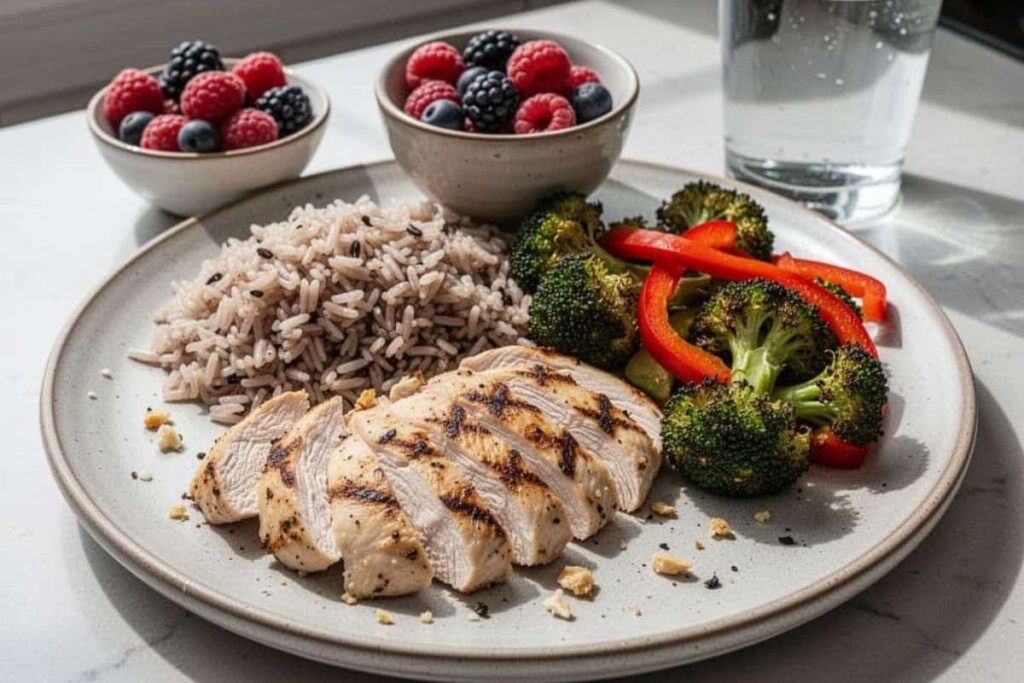
Trying to figure out the right way to eat when you’re living with fibromyalgia can feel like one more thing you’re supposed to get right. It doesn’t have to be that way.
There may be some foods to avoid with fibromyalgia based on how your individual body responds, but you don’t need to eliminate everything on somebody else’s list.
Start with what feels manageable.
Whether you’re experimenting with an anti-inflammatory diet for fibromyalgia or simply trying to eat more foods that make you feel good, give yourself room to figure out what works.
Add more nutritious foods when you can. Keep easy meals around for the days when your energy is low. Pay attention to patterns instead of individual meals, and don’t be afraid to ask your doctor or a registered dietitian for help if you think a particular food is causing problems.
Most importantly, give yourself some flexibility.
Living with fibromyalgia already requires adjusting to what your body needs from one day to the next. The way you eat can have that same flexibility.
You don’t need a perfect diet.
You need something realistic that helps you nourish yourself on the good days, the difficult days, and all the ordinary days in between.
Follow Me On Social Media:

Hi, I’m Gina — the creator behind Chronically Gina and Gina’s Printable Shop.
I create practical printables, wellness tools, and encouraging content to help make everyday life feel more manageable. Living with chronic illness has inspired me to share realistic routines, organization tips, meal planning ideas, and supportive resources for busy women, families, caregivers, and teachers.
My goal is to help you feel less overwhelmed and more supported with simple systems that work for real life — not perfection.