

Hidden Depression Signs: 6 Important Clues and Hopeful Steps
This post may contain editorial samples and/or affiliate links. We earn a commission on your sales.

When you think about someone living with depression, what comes to mind? Maybe someone who cries a lot, stays in bed all day, or doesn’t want to be around other people.
But depression doesn’t always look like that.
Someone can be smiling, going to work, taking care of their family, and doing everything they’re supposed to do while struggling on the inside. Sometimes, even the person experiencing depression doesn’t realize what’s happening.
That’s why I think it’s so important to talk about hidden depression signs.
Depression can affect your mood, energy, sleep, physical health, and even how you handle everyday situations. And when those changes happen gradually, they’re easy to brush off as stress, exhaustion, or simply having a rough week.
I’ve learned that our mental health deserves just as much attention as our physical health. The two are connected in more ways than we sometimes realize.
Today, I want to share six signs of hidden depression that aren’t always obvious, along with some realistic ways to get support for yourself or someone you care about.
Table of Contents
What Are the Signs of Hidden Depression?
Hidden depression isn’t an official medical diagnosis. It’s simply a way of describing depression symptoms that aren’t immediately noticeable to other people, or sometimes even to ourselves.
We all have days when we’re tired, frustrated, or just don’t feel like doing much. That doesn’t automatically mean we’re depressed.
The difference is often how long those feelings last, how intense they become, and whether they start affecting everyday life.
Some people are good at hiding how they feel. They may not want to worry their family, or they might feel uncomfortable admitting that they’re struggling.
Others genuinely don’t recognize the changes happening to them.
The signs of hidden depression can look different from person to person. That’s why it’s worth paying attention when something just doesn’t feel like your normal self.
6 Hidden Depression Signs You Might Be Overlooking
1. Feeling Hopeless or Having Thoughts About Death
This is one of the most serious hidden depression signs, and it’s something we need to talk about openly.
Depression can sometimes leave a person feeling like nothing is ever going to get better.
They may feel hopeless about their future, believe they’re a burden to their loved ones, or struggle to see a reason to keep going.
Sometimes those feelings turn into thoughts about death or suicide.
What makes this especially concerning is that someone experiencing these thoughts might not tell anyone.
They may continue going through their regular routine while keeping everything to themselves.
If someone you care about starts making comments about not wanting to be here anymore, wishing they could disappear, or feeling like everyone would be better off without them, please take those comments seriously.
And if you’re the one having those thoughts, please reach out for help.
You don’t have to explain everything perfectly. You don’t even have to know exactly why you’re feeling this way.
If you’re in the United States, you can call or text 988 to reach the Suicide & Crisis Lifeline. You can also contact a healthcare professional or someone you trust. If there’s immediate danger, call 911 or seek emergency care.
Suicidal thoughts aren’t something you should wait two weeks to address. Help is available right now.
2. Being Exhausted No Matter How Much You Rest
Have you ever gotten a full night’s sleep and still woke up feeling like you hadn’t slept at all?
I think most of us have experienced that occasionally.
But what happens when that feeling doesn’t go away?
Severe fatigue is one of the subtle signs of depression that can be mistaken for something else.
You might find yourself struggling to get out of bed, putting off everyday chores, or feeling completely drained after doing very little.
Even things you normally enjoy might seem like too much work.
Depression can also affect your sleep. Some people have trouble falling asleep or staying asleep, while others sleep more than usual.
Either way, they may still feel exhausted.
Fatigue is one of those hidden signs of depression that can be especially confusing for anyone living with a chronic illness.

I know what it’s like to deal with ongoing fatigue and physical pain. Some days, simply getting through my regular routine takes more energy than I have available.
That’s why I wouldn’t automatically assume fatigue means depression.
There are plenty of medical reasons someone might feel exhausted, including sleep problems, medication side effects, and chronic health conditions.
But if your energy has changed significantly, especially along with changes in your mood or interests, it’s worth bringing up with your doctor.
3. Dealing With Unexplained Aches and Pains
When we talk about hidden depression signs, we usually focus on emotional changes.
But did you know depression can also be connected to physical symptoms?
Some people experience headaches, muscle aches, digestive problems, or other physical discomfort alongside depression.
They may visit their doctor because something hurts without realizing their emotional health could also be part of the picture.

I find this connection especially interesting because I live with chronic pain myself.
When you’re already dealing with physical symptoms every day, it can be difficult to tell what’s causing a new problem or why an existing symptom suddenly feels worse.
And sometimes, there isn’t one simple explanation.
Depression and chronic pain can occur together. Pain can affect your emotional well-being, and depression may make coping with physical symptoms more difficult.
However, that doesn’t mean pain is all in your head.
I think that’s an important distinction, especially for those of us who live with chronic illnesses.
New or worsening physical symptoms should always be taken seriously and discussed with a healthcare professional.
If you’ve noticed changes in both your physical and emotional health, don’t be afraid to bring up both concerns at your appointment.
4. Feeling Angry or Irritated More Often
Here’s one of the signs of hidden depression that people don’t always recognize.
Anger.
We tend to think depression means feeling sad, but that’s not always the case.
Sometimes it shows up as being irritated by little things that normally wouldn’t bother you.
Maybe you find yourself snapping at your family, losing patience during conversations, or getting frustrated over something small.
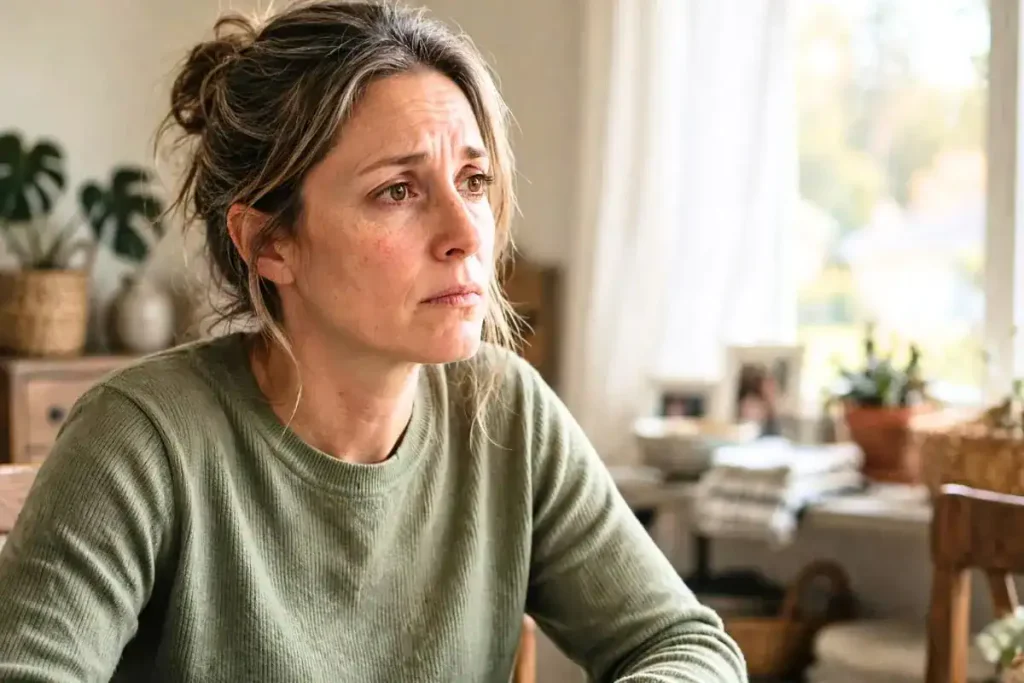
You might even recognize that you’re overreacting but have trouble understanding why.
And afterward, you may feel guilty about how you responded.
I think irritability is one of those hidden signs of depression that can be particularly difficult for family members to recognize.
They see the anger or irritability, but they don’t necessarily see what’s happening underneath it.
Of course, being irritable doesn’t automatically mean you’re depressed.
Stress, poor sleep, chronic pain, and other health issues can affect your mood, too.
But if you’ve noticed that you’re becoming angry or frustrated more frequently, especially when that’s unusual for you, it might be worth looking at what else has changed.
Sometimes our reactions tell us that something needs attention, even when we haven’t figured out exactly what that something is.
5. Feeling Down During Certain Times of the Year
Do you notice that your mood changes when the seasons change?
Maybe you feel more tired when the days get shorter. Or perhaps you lose interest in activities during the winter months.
Seasonal changes in mood can sometimes be overlooked when discussing hidden depression signs.
Some people experience depression that follows a seasonal pattern, commonly called seasonal affective disorder (SAD).
It’s most often associated with fall and winter, although some people experience symptoms during the warmer months.
Seasonal depression can involve changes in sleep, energy, appetite, concentration, and overall mood.
Now, I think it’s important to point out that not enjoying cold weather doesn’t mean you have seasonal depression.
Neither does feeling disappointed when summer ends.
We’re talking about changes that are significant enough to affect how you feel and function.
For some people, these symptoms return around the same time each year.
If that sounds familiar, consider keeping track of when your mood changes and discussing the pattern with your healthcare provider.
I’ve also written about autumn anxiety, which is another way seasonal changes can affect emotional well-being.
Anxiety and depression aren’t the same thing, but both deserve attention when they’re making everyday life more difficult.
6. Struggling to Focus or Find Motivation
Have you ever had a list of things you needed to accomplish but couldn’t seem to get started?
You know what needs to be done. You might even want to do it.
But you just can’t seem to make yourself begin.
Sometimes this happens because we’re tired, stressed, or overwhelmed.
But difficulty concentrating and losing interest in everyday activities can also be subtle signs of depression.
Maybe you’re forgetting things more often, struggling to make simple decisions, or reading something several times because you can’t concentrate.

You might also stop enjoying hobbies that used to make you happy.
For example, someone who loves crafting may suddenly have no interest in picking up their supplies.
Or a person who normally enjoys spending time with friends might start turning down invitations.
From the outside, these changes can look like laziness or a lack of effort.
But depression isn’t laziness.
When someone is struggling with their mental health, even simple tasks can feel much harder than they used to.
If you’ve noticed a lasting change in your concentration, motivation, or enjoyment of life, don’t dismiss it.
It may be worth having a conversation with your doctor.
Why Are Subtle Signs of Depression So Easy to Miss?
I think one of the biggest reasons depression goes unnoticed is that we expect it to look a certain way.
We picture someone who is visibly unhappy or unable to get out of bed.
But that’s not everyone’s experience.
Some people continue working, caring for their families, and keeping up with their responsibilities while feeling terrible inside.
Others are so used to pushing through difficult days that they don’t realize how much they’re struggling.
And sometimes we explain away the symptoms.
We’re tired because we’ve been busy. We’re irritable because we’re stressed. We can’t concentrate because we have too much on our minds.
Those explanations might be correct.
But when several changes happen together and continue over time, it’s worth paying closer attention.
Recognizing the signs of hidden depression doesn’t mean diagnosing yourself or someone else. It means noticing when something has changed and considering whether additional support might help.
How Chronic Illness and Depression Can Overlap
This is something I especially wanted to include because chronic illness is such a big part of my life and what I share here on Chronically Gina.
Living with chronic pain and ongoing health problems can be exhausting.
There are days when you have to adjust your plans because your body simply isn’t cooperating.
You might have appointments, medications, symptoms, and everyday responsibilities to manage, all while trying to have some kind of normal routine.
That can take a toll on your emotional well-being.
What makes things complicated is that chronic illness and depression can share symptoms.
Fatigue, sleep problems, difficulty concentrating, and changes in motivation can happen with either one.
This overlap can make hidden depression signs more difficult to recognize when you’re already managing chronic health conditions.
So how do you know what’s causing what?
Sometimes you don’t, at least not without talking to your healthcare provider.
I don’t think we should automatically assume that someone with chronic illness is depressed. But I also don’t think we should ignore emotional changes simply because that person already has physical health problems.
Both deserve attention.
If you’re living with chronic illness and you’ve noticed changes in your mood or interest in life, consider mentioning them at your next appointment.
Your mental health is part of your health, too.
Small Ways to Take Care of Your Emotional Well-Being
When you’re already overwhelmed, the last thing you need is someone handing you a long list of things you should be doing.
I know how frustrating that can feel.
So I’m not going to tell you that you need a perfect morning routine, an hour of exercise, or a complicated self-care schedule.
Sometimes it’s the little things that are most realistic.
Maybe you spend a few minutes sitting outside, call a friend, listen to music, or take a break from something that’s stressing you out.
You might also find it helpful to write down what’s on your mind.
These activities aren’t substitutes for professional depression treatment, but they can be useful ways to support yourself alongside appropriate care.

Try Journaling When Your Thoughts Feel Overwhelming
Do you ever feel like you have so much going through your mind that you don’t know what to do with it all?
I think that’s one reason journaling can be helpful.
You don’t have to be a great writer or fill several pages every day.
Sometimes just answering one question gives you a chance to think about what you’re feeling.
I created my 50 Journaling Prompts for Anxiety and Overthinking printable for people who want a little guidance when sitting down with a blank page feels overwhelming.
You can work through the prompts at your own pace, skip anything that doesn’t feel helpful, and come back whenever you want.
It’s a simple way to make room for reflection without turning journaling into another chore.
Take a Look at My 50 Journaling Prompts for Anxiety and Overthinking
Need a Simple Reminder to Take Care of Yourself?
Self-care is something we hear about constantly, but actually making time for it isn’t always easy.
Especially when you’re busy taking care of everyone and everything else.
That’s why I created a free self-care checklist.
It’s meant to help you think about the small things you can do to support yourself, without adding pressure to your day.
You don’t need to complete every item.
Use it as a reminder that your needs matter, too.
Get My Free Self-Care Checklist
How Can You Help Someone Who May Be Depressed?
It can be hard watching someone you care about struggle, especially when they don’t seem like themselves.
You want to help, but you might not know what to say.
I think one of the best places to start is simply asking how they’re doing.
And then really listening to the answer.
You don’t need to immediately offer solutions or try to convince them that everything will be fine.
Sometimes people just need someone who will listen without judging them.
You can also offer practical help.
Maybe they’re overwhelmed by everyday tasks or unsure how to find a mental health professional.
Offering to help them make an appointment or find resources can be more useful than telling them to cheer up.
And remember, you can’t fix someone else’s depression.
You can care about them, encourage them, and support them, but professional treatment may still be needed.
If someone mentions suicidal thoughts, take them seriously and help them connect with immediate support.
Learning to recognize hidden signs of depression can help you notice when someone may need extra support, even if they haven’t directly asked for it.
When Is It Time to Ask for Professional Help?
If you’ve been experiencing several of these symptoms for two weeks or longer, or they’re affecting your everyday life, it’s a good idea to talk to your doctor.
You can reach out sooner, too. You don’t have to wait until things get worse.
Depression is treatable, and there are different options available.
Some people benefit from therapy, while others may need medication or a combination of treatments.
Cognitive behavioral therapy (CBT), for example, can help people work through unhelpful thinking patterns and develop coping skills.
Medication can also be effective for some people, although it may cause side effects and should be discussed with a healthcare professional.
There isn’t one treatment that works for everyone.
And finding the right approach may take time.
What matters is getting the support that’s appropriate for your situation.
Frequently Asked Questions About Hidden Depression Signs
Can someone be depressed without looking sad?
Yes. Someone can experience depression while smiling, working, socializing, and carrying on with everyday responsibilities. You can’t always tell how someone is feeling by looking at them.
Can depression make you physically sick?
Depression can be associated with physical symptoms, including fatigue, headaches, digestive problems, and body aches. However, these symptoms can have other causes, so it’s important to discuss persistent or worsening problems with a healthcare provider.
What are some early warning signs of depression?
Possible warning signs include changes in sleep, ongoing fatigue, irritability, difficulty concentrating, low mood, and losing interest in things you normally enjoy.
Can depression go unnoticed for a long time?
Yes. Some people don’t recognize their symptoms right away, particularly when changes happen gradually or overlap with stress and other health conditions.
Can depression get better?
Yes. Depression is treatable. Therapy, medication, and other forms of professional support can help people manage symptoms and improve their quality of life.
Final Thoughts on Hidden Depression Signs
I think one of the hardest things about recognizing hidden depression signs is that they aren’t always obvious.
Someone can look perfectly fine on the outside while dealing with things nobody else knows about.
And sometimes we’re so busy trying to get through each day that we don’t notice the changes happening in ourselves.
That’s why I wanted to share these six hidden depression signs.
Not so you can diagnose yourself or someone you love, but so you know what to pay attention to.
If something has felt different lately, whether it’s your mood, energy, concentration, or interest in things you normally enjoy, consider talking to your healthcare provider.
And if you’re worried about someone close to you, reach out and ask how they’re doing.
You never know when a simple conversation might help someone feel comfortable enough to ask for support.
Have you ever noticed that stress or emotional struggles affect you physically? I’d love to hear your thoughts in the comments if you’re comfortable sharing.
This post is for informational purposes only and isn’t intended to replace professional medical or mental health advice.
Follow Me On Social Media:

Hi, I’m Gina — the creator behind Chronically Gina and Gina’s Printable Shop.
I create practical printables, wellness tools, and encouraging content to help make everyday life feel more manageable. Living with chronic illness has inspired me to share realistic routines, organization tips, meal planning ideas, and supportive resources for busy women, families, caregivers, and teachers.
My goal is to help you feel less overwhelmed and more supported with simple systems that work for real life — not perfection.