


Feeling Stressed and Depressed: Practical Ways to Cope
This post may contain editorial samples and/or affiliate links. We earn a commission on your sales.

Feeling stressed and depressed at tFeeling Stressed and Depressed: Practical Ways to Copehe same time can make everyday life feel much harder than usual. You may have a long list of things you need to do but very little motivation or energy to actually do them. Your mind might feel busy and overwhelmed while, at the same time, you just want to shut everything out.
When you’re feeling this way, even simple tasks can start to feel like a lot.
You don’t necessarily need to completely change your routine or suddenly become more productive. Small, manageable steps can be a better place to start.
In this post, we’ll look at some of the common reasons you might feel stressed and depressed, signs to pay attention to, practical ways to cope, and stress relieving hobbies that can give your mind a break when everything feels like too much.
The goal isn’t to fix everything in one day. It’s to find a few things that may help make today feel a little more manageable.
Table of Contents
What Does It Mean to Feel Stressed and Depressed?
Stress and depression aren’t the same thing, although some of the symptoms can overlap.
Stress is usually your body’s response to pressure or demands. You might feel stressed because of work, finances, relationships, health concerns, family responsibilities, or simply having too much on your plate.
When stress continues for a long time, it can leave you feeling mentally and physically exhausted.
Feeling depressed may look a little different. You might feel sad, disconnected, unmotivated, hopeless, or uninterested in things you normally enjoy.
It’s also important to recognize the difference between feeling depressed and having clinical depression. Everyone can experience periods of sadness or low mood, while depression is a mental health condition that should be evaluated by a qualified healthcare professional.
You don’t have to diagnose what you’re experiencing before deciding that you need more support.
If something doesn’t feel right, or your emotions are making everyday life difficult, that’s worth paying attention to.
Common Signs You May Be Stressed and Depressed

Stress and low mood don’t always look the way you expect.
Sometimes it’s obvious that you’re overwhelmed. Other times, you might simply notice that you don’t quite feel like yourself.
Some common signs of stress include:
- Feeling overwhelmed by everyday responsibilities
- Difficulty relaxing
- Irritability or frustration
- Racing thoughts
- Trouble concentrating
- Changes in your sleep
- Muscle tension
- Headaches
- Feeling restless or constantly “on edge”
- Feeling mentally exhausted
Stress can affect your body as well as your emotions. If you’ve noticed physical changes when you’re under pressure, you can learn more about the physical symptoms of stress.
Low mood can show up differently. You may notice:
- Persistent sadness
- Feeling empty or numb
- Losing interest in things you normally enjoy
- Low motivation
- Difficulty concentrating
- Changes in sleep or appetite
- Feeling disconnected from other people
- Feeling hopeless about the future
You might also find yourself withdrawing from people, putting off basic tasks, spending more time in bed, or struggling to keep up with routines that normally don’t require much thought.
When you’re both stressed and depressed, these feelings can overlap.
You may feel anxious about everything you need to accomplish while having very little energy to accomplish it. Then, when things don’t get done, you may become even more stressed.
That cycle can be exhausting.
Recognizing what’s happening is an important first step because it allows you to start thinking about what kind of support might actually help.
Why Do I Feel Stressed and Depressed?
There isn’t always one clear reason.
Sometimes there is an obvious situation causing stress. Other times, several smaller pressures build up until everything starts to feel overwhelming.
Common sources of stress can include:
- Work responsibilities
- Financial problems
- Relationship difficulties
- Family responsibilities
- Caregiving
- Health concerns
- Chronic pain
- Major life changes
- Grief or loss
- Lack of sleep
- Feeling isolated
- Having too many responsibilities and not enough time
Even positive changes can create stress. Moving, starting a new job, getting married, having a baby, or taking on a new responsibility can require a lot of physical and emotional adjustment.
And sometimes there isn’t an obvious explanation.
You may look at your life and think, “Nothing is terribly wrong, so why do I feel this way?”
You don’t need to have a dramatic reason for your feelings to matter.
How Stress and Low Mood Can Feed Each Other

One of the difficult things about being stressed and depressed is that the two experiences can sometimes create a cycle.
Imagine you’re overwhelmed by everything you need to do.
Because you’re overwhelmed, you have trouble sleeping. The next morning, you’re exhausted and have difficulty concentrating. You accomplish less than you hoped, which makes your responsibilities pile up even more.
Now you’re frustrated with yourself.
You stop doing some of the things you normally enjoy because you don’t have the energy. You spend less time with other people. Your days become centered around responsibilities, worries, and trying to catch up.
That can leave very little room for things that help you feel like yourself.
The answer isn’t necessarily forcing yourself to work harder.
Instead, it may help to look for small places where you can reduce some of the pressure.
Ask yourself:
What is making today feel especially difficult?
Maybe there’s one task you can postpone.
Maybe you need to ask someone for help.
Maybe you need food, water, rest, fresh air, or ten quiet minutes without your phone.
Or maybe you need something enjoyable that has absolutely nothing to do with being productive.
Understanding what you need right now won’t solve every problem. But it can help you decide what your next small step should be.
And when you’re already overwhelmed, one small step is enough to start.
What to Do When You Feel Stressed and Depressed
When you’re stressed and depressed, a long list of things you should be doing can quickly become one more source of stress.
You don’t need to tackle everything at once.
Instead, think about what would make the next hour or the rest of your day a little easier. Sometimes the smallest actions are the most realistic place to begin.
Here are a few things you can try.
Start With Your Basic Needs
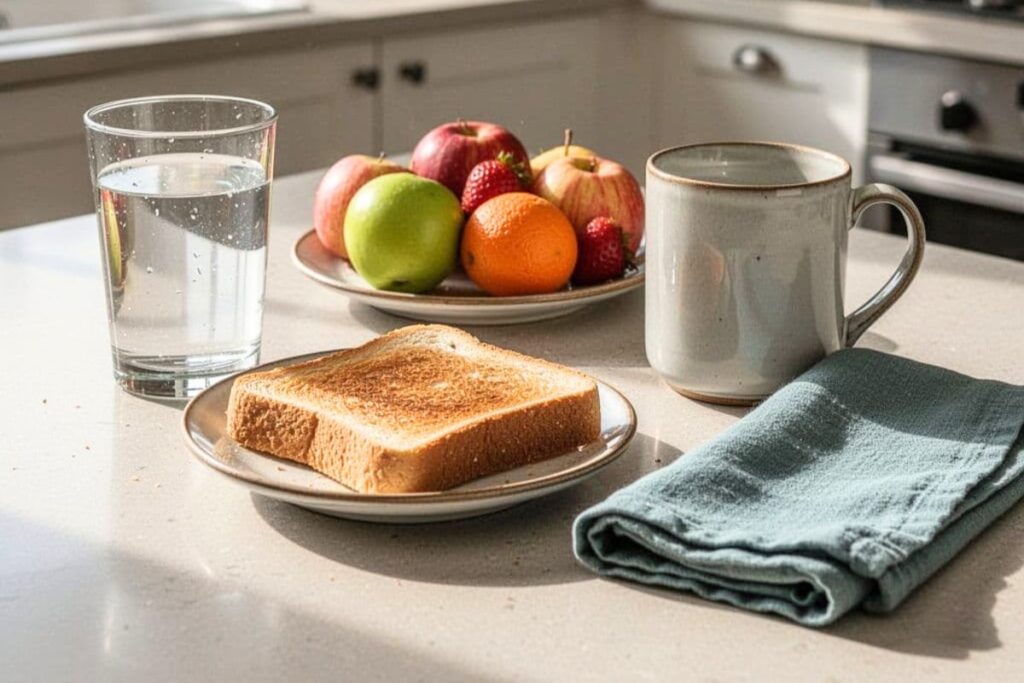
When you’re overwhelmed, basic needs can easily move to the bottom of your priority list.
Before trying to solve everything that’s bothering you, check in with yourself.
Have you eaten recently? Are you thirsty? Did you get enough sleep? Have you taken your regular medications? Would a shower or a change of clothes help you feel a little more comfortable?
These things might sound simple, but they’re easy to overlook when your mind is focused on everything that’s going wrong or everything you still need to accomplish.
You don’t have to create an elaborate self-care routine. Start by taking care of what your body needs right now.
Choose One Small Thing You Can Do
If your to-do list feels impossible, don’t look at the entire list.
Choose one thing.
It could be answering one email, putting a load of laundry in the washer, washing a few dishes, making an appointment, or clearing one small area of your home.
Pick something that feels manageable with the energy you have today.
When that’s finished, you can decide what comes next. You don’t have to make that decision ahead of time.
Breaking responsibilities into smaller pieces can make them feel less intimidating, especially when you’re already stressed and depressed.
Give Yourself Permission to Reduce Your Mental Load

Sometimes coping isn’t about adding another healthy habit. It’s about taking something away.
Look at everything you’re expecting from yourself right now and ask:
Does all of this really need to happen today?
There may be things you can postpone, simplify, delegate, or skip entirely.
Dinner doesn’t have to be complicated. The house doesn’t have to be perfectly clean. Every message doesn’t require an immediate response.
Reducing your expectations temporarily isn’t the same as giving up. Sometimes it’s simply recognizing that you have limited time and energy and choosing where you want to use them.
Change Your Environment
When you’ve been sitting in the same place worrying for a long time, a small change in your surroundings can sometimes help interrupt the cycle.
You don’t have to go anywhere special.
Open the curtains. Sit by a window. Step outside for a few minutes. Move to another room. Turn on a lamp if the room feels dark. Put on music you enjoy.
You might even tidy one small space that you spend a lot of time in.
The goal isn’t to completely transform your surroundings. It’s simply to create a small shift that can help your brain recognize that you’re moving into a different moment.
Move Your Body in a Way That Works for You
Exercise is often recommended for managing stress, but that doesn’t mean you need to start an intense workout routine.
Movement can be gentle.
You might stretch for a few minutes, take a short walk, do a few chair exercises, or simply stand up and move around your home.
If traditional workouts aren’t realistic for you, there are also low-impact exercises that can make movement more accessible.
Pay attention to what your body can comfortably handle. The goal is not to push yourself through pain or exhaustion. It’s to find movement that feels appropriate for you.
Get Your Thoughts Out of Your Head

Have you ever had the same thought run through your mind over and over again?
Writing it down can give those thoughts somewhere else to go.
You don’t need a beautiful journal or a complicated journaling routine. Grab a notebook, a piece of paper, or even the notes app on your phone.
Try writing down:
- What is worrying me right now?
- What can I actually control?
- What needs my attention today?
- What can wait?
- What would make today easier?
- What do I need right now?
Don’t worry about grammar or whether what you’re writing makes sense.
You’re not writing for anyone else. You’re simply creating a place to sort through what’s taking up space in your mind.
Take a Break From Constant Input
Phones make it incredibly easy to fill every quiet moment with information.
News. Social media. Emails. Messages. Videos. Notifications.
When you’re already overwhelmed, constantly taking in more information can make it difficult for your mind to settle.
Try putting your phone somewhere else for 15 or 30 minutes.
You don’t have to completely disconnect for the day. Give yourself a short break from scrolling, notifications, and other people’s thoughts.
Use that time to sit quietly, read, make a cup of tea, listen to music, spend time outside, or do something with your hands.
Notice how you feel afterward.
Connect With Someone You Trust
Stress and low mood can make you want to pull away from other people.
Sometimes you genuinely need quiet time, and that’s okay. But there’s a difference between taking time for yourself and becoming completely isolated.
Consider reaching out to someone you trust.
You don’t have to have a serious conversation if you don’t want one. You can send a text, make a phone call, meet someone for coffee, or simply spend some time together.
You also don’t have to pretend everything is fine.
Sometimes saying, “I’m having a rough day,” is enough.
Support doesn’t always mean someone solving the problem. Having another person listen or simply keep you company can make a difficult day feel a little less lonely.
Give Yourself Something to Look Forward To
When every day starts to feel like responsibilities, appointments, chores, and things you have to do, it’s easy to forget to make room for things you actually enjoy.
Try putting one enjoyable thing on your calendar.
It doesn’t have to cost money or require a lot of energy.
Maybe you’ll watch a movie you’ve been wanting to see, start a new book, order your favorite meal, work on a craft, spend an afternoon in your pajamas, or have coffee with someone you enjoy being around.
Having something small to anticipate can give your mind a positive place to land when the rest of life feels heavy.
Find a Little Something to Look Forward To

When I’m having a rough day, sometimes it helps to have something small to look forward to.
And I really do mean small.
Maybe it’s sitting down with a book later, ordering takeout instead of cooking, watching a favorite show, or giving yourself an hour to do absolutely nothing productive.
Those little things aren’t going to magically make all of your stress disappear. But they can give you a bright spot in a day that otherwise feels pretty heavy.
That’s also the idea behind my Simple Joy Planner. It gives you a place to think about the things you enjoy, what makes you feel good, and how you can fit more of those moments into your regular routine.
Because when life gets busy or difficult, the enjoyable stuff is often the first thing we stop making time for.
Take a Look at The Simple Joy Planner →
Another way to bring some of those enjoyable moments back into your routine is through hobbies.
Stress Relieving Hobbies to Try When You Need a Break
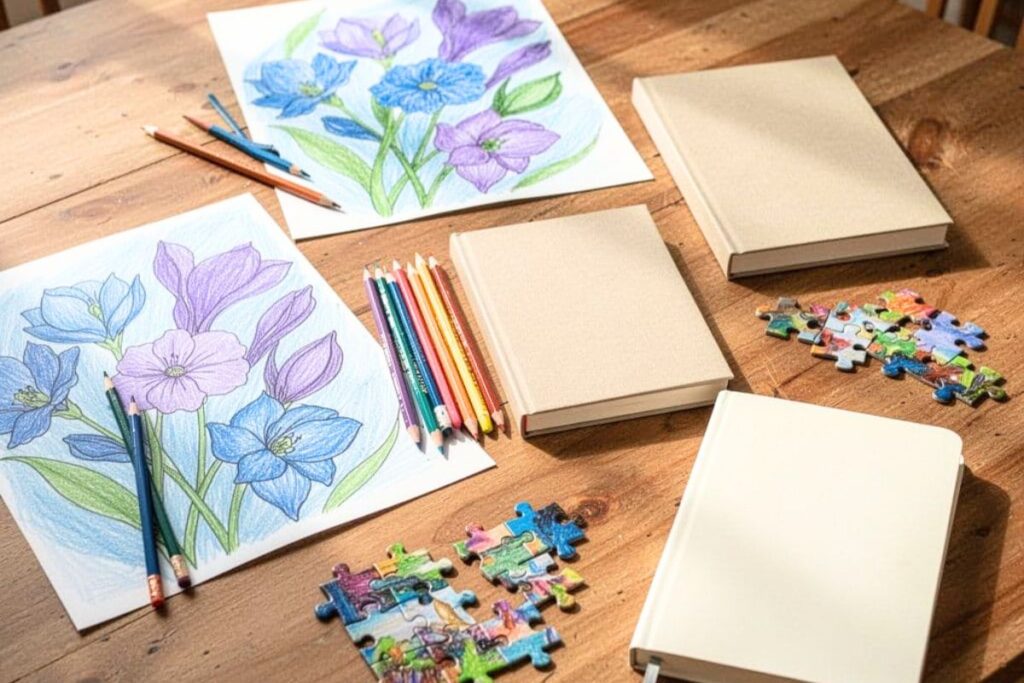
When you’re stressed and depressed, starting a new hobby might be the last thing on your mind.
But a hobby doesn’t need to become another project.
You don’t have to master anything, buy a bunch of supplies, or turn it into a side hustle. You can do something simply because you enjoy doing it.
That’s one reason I think stress relieving hobbies can be so helpful. They give your mind something else to focus on for a little while.
Here are a few ideas you can try.
Read Something You Actually Enjoy
Reading is one of my favorite ways to relax. I always have my kindle with me.
There’s something nice about getting caught up in a story and forgetting about everything else for a little while.
And don’t worry about whether you’re reading something “productive.” Pick the mystery novel, romance, fantasy book, celebrity memoir, or whatever else sounds interesting to you.
This is your downtime. You don’t have to learn anything from it.
Try Adult Coloring

I also love adult coloring books.
Coloring gives you something simple to concentrate on without requiring a lot of mental energy. You can put on some music or a favorite show, grab your colored pencils, and color for as long as you feel like it.
Even ten or fifteen minutes can give you a break from thinking about everything else.
If you’ve never tried it, I’ve shared more about the benefits of coloring books for adults.
Work on a Puzzle
Puzzles are another option when you need something that will keep your hands and mind occupied.
Try a jigsaw puzzle, crossword, word search, Sudoku, or even a puzzle app on your phone. One of my favorite word puzzles are fill-ins. It is like a cross between a word search and a crossword puzzle.
Choose something that’s enjoyable rather than frustrating. You’re trying to unwind, not prove how good you are at solving puzzles.
Start Journaling
Journaling can be especially useful when your mind feels crowded.
You don’t have to sit down and write several pages about your feelings. Some days you might write one paragraph. Other days you might make a list.
You could write about what’s bothering you, something that went well that day, what you’re looking forward to, or what you wish you could take off your plate.
There isn’t a right way to journal.
Try Something Creative
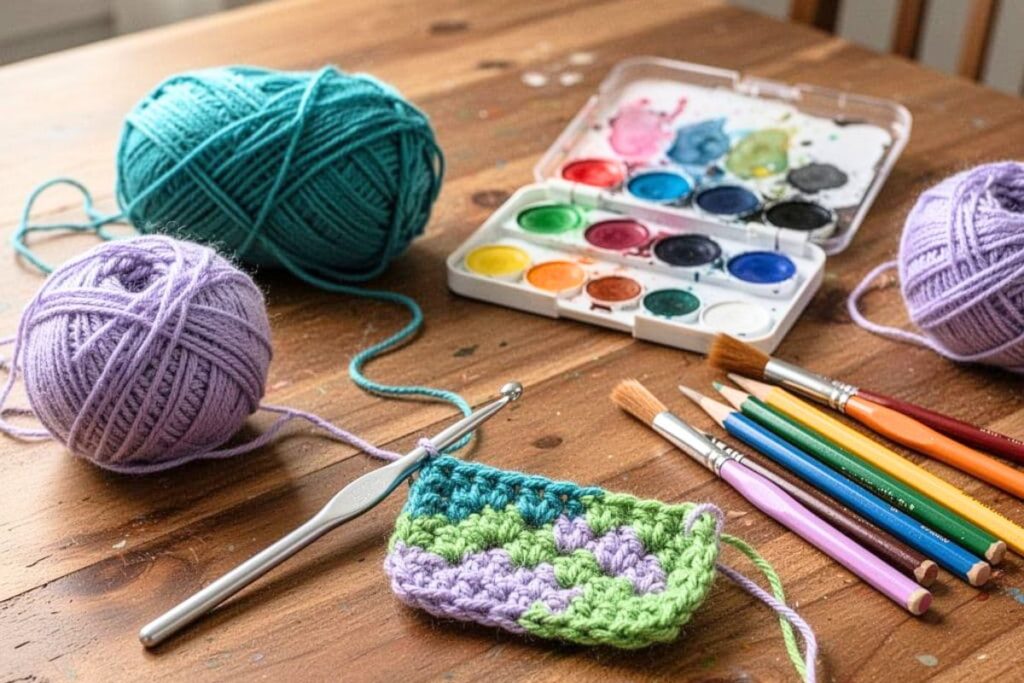
Creative hobbies give you a chance to focus on making something instead of thinking about everything that’s worrying you.
You could try:
- Drawing
- Painting
- Crochet or knitting
- Scrapbooking
- Diamond painting
- Photography
- Sewing
- Making cards
- Crafting
Don’t worry about whether you’re good at it.
Nobody has to see what you make. You don’t have to post it online. You certainly don’t have to sell it.
You can make something just because making it was fun.
Spend Some Time With Plants
If you enjoy plants, gardening can be a relaxing hobby without needing a huge backyard.
You could grow herbs on a windowsill, keep a few houseplants, plant flowers in containers, or work in a small garden.
Taking care of plants gives you something tangible to focus on and can become a quiet part of your routine.
Bake or Cook Something for Fun
Cooking because everyone needs dinner and cooking because you want to try a new recipe are two very different experiences.
If you enjoy being in the kitchen, try making something without worrying about whether it’s practical.
Bake cookies. Try a new dessert. Make homemade bread. Recreate something you love ordering at a restaurant.
If cooking usually feels like another chore, though, skip this one. A stress relieving hobby should not create more stress.
Listen to Audiobooks or Podcasts
You don’t necessarily need to physically do something for it to count as a hobby.
Put on an audiobook or podcast while you’re relaxing, driving, working on a puzzle, coloring, or doing something around the house.
This can also be a good option on days when concentrating on a physical book feels difficult.
Low-Energy Stress Relieving Hobbies Count Too

One of the problems with a lot of self-care advice is that it assumes you have plenty of energy to follow it.
Sometimes you don’t.
If you’re exhausted, in pain, overwhelmed, or simply having a bad day, you probably don’t want a hobby that requires getting dressed, driving somewhere, gathering a bunch of supplies, and spending three hours doing it.
That’s okay.
There are plenty of stress relieving hobbies you can do from the couch, your bed, or your favorite chair.
Try:
- Reading
- Coloring
- Listening to an audiobook
- Watching documentaries
- Doing a crossword or word search
- Journaling
- Playing a relaxing game
- Crocheting or knitting
- Digital scrapbooking
- Learning something through videos
- Working on a small craft
You can also stop whenever you want.
If you color for ten minutes and you’re done, you’re done.
If you read five pages and fall asleep, that’s fine too.
The point isn’t how much you accomplish. You’re giving yourself a little time to do something that isn’t centered around your responsibilities or whatever has been worrying you.
If you need more ideas, I have a whole list of hobbies for stress relief that can help you find something that fits your interests and energy.
Be Careful About the Ways You Cope
When you’re stressed and depressed, it’s understandable to want something that makes those feelings disappear as quickly as possible.
Some coping habits can create additional problems, though.
Using alcohol or drugs to numb difficult emotions can make it harder to address what you’re experiencing and may worsen mental health symptoms. If substance use has become something you’re concerned about, talk with a healthcare professional or addiction specialist about the support available to you.
There are also less obvious coping habits worth paying attention to.
Maybe you’re staying up half the night scrolling because you don’t want to be alone with your thoughts.
Maybe you’re spending money you don’t have because shopping gives you a temporary boost.
Or perhaps you’ve completely isolated yourself because talking to anyone feels like too much work.
You don’t have to judge yourself for falling into habits that aren’t helping. Pay attention to how you feel afterward.
If something consistently leaves you feeling worse, it may be time to look for another way to cope.
When Should You Ask for Professional Help?
There are times when self-care and stress relieving hobbies aren’t enough.
If you’ve been feeling depressed for a while, your symptoms are getting worse, or you’re having trouble handling everyday responsibilities, consider talking with a healthcare professional or mental health professional.
You might also want additional support if you’re experiencing:
- Persistent sadness or hopelessness
- Loss of interest in activities you usually enjoy
- Significant changes in sleep
- Significant changes in appetite
- Difficulty concentrating
- Trouble completing everyday tasks
- Withdrawing from friends and family
- Feelings of worthlessness
- Thoughts about death, suicide, or hurting yourself
You don’t have to wait until you’re at your absolute worst before asking for help.
A healthcare professional can help you understand what you’re experiencing and discuss what types of treatment or support might be appropriate.
If you’re in immediate danger or thinking about suicide or self-harm, call or text 988 in the United States to reach the 988 Suicide & Crisis Lifeline. If there is an immediate life-threatening emergency, call 911.
You Don’t Have to Fix Everything Today

When you’re stressed and depressed, it’s easy to look at everything that isn’t going well and feel like you need to fix your entire life.
You don’t.
Start with today.
Eat something. Take your medication. Answer the one email that really needs an answer. Sit outside for a few minutes. Text someone you trust. Pick up the book you’ve been meaning to read.
Tomorrow, you can decide what you need tomorrow.
Some days you’ll have enough energy to do more. Other days, getting through the basics may be plenty.
Pay attention to what helps you feel a little calmer, what makes things harder, and where you may need more support.
And don’t forget to leave some room for things you simply enjoy.
A hobby, a favorite show, a good book, an afternoon with someone you love, or a quiet cup of coffee isn’t going to solve every problem.
But not every moment of your day has to be spent solving problems either.
Sometimes you just need a little space to be a person instead of working on everything that’s wrong.
Follow Me On Social Media:

Hi, I’m Gina — the creator behind Chronically Gina and Gina’s Printable Shop.
I create practical printables, wellness tools, and encouraging content to help make everyday life feel more manageable. Living with chronic illness has inspired me to share realistic routines, organization tips, meal planning ideas, and supportive resources for busy women, families, caregivers, and teachers.
My goal is to help you feel less overwhelmed and more supported with simple systems that work for real life — not perfection.


