


Physical Symptoms of Mental Health Struggles
This post may contain editorial samples and/or affiliate links. We earn a commission on your sales.

You wake up with a pounding headache again. Your chest feels tight, your stomach churns, and your muscles ache like you’ve run a marathon—except you haven’t moved from your bed. You tell yourself it’s just stress, that you need to push through, that everyone feels this way sometimes. But deep down, you know something more is happening. Your body is speaking a language you haven’t quite learned to interpret yet.
The relationship between mental health and physical symptoms is one of the most misunderstood aspects of psychological wellbeing. We’ve been conditioned to see mind and body as separate entities, but the reality is far more interconnected. When your mental health struggles, your body doesn’t just go along for the ride—it actively participates in the experience, often in ways that feel confusing, frightening, or completely unrelated to what’s happening in your mind.
Understanding this mind-body connection isn’t just intellectually interesting—it’s essential for your healing journey. When you can recognize the physical manifestations of mental health challenges, you gain power. You stop dismissing your experiences as “all in your head” and start seeing the complete picture of what you’re navigating.
Table of Contents
The Science Behind Your Body’s Response to Mental Distress
The physical symptoms of mental health struggles can show up in ways you might not expect. You wake up with a pounding headache again. Your chest feels tight, your stomach churns, and your muscles ache like you’ve run a marathon, except you haven’t moved from your bed. You tell yourself it’s just stress, that you need to push through, and that everyone feels this way sometimes. But deep down, you know something more is happening. Your body is speaking a language you haven’t quite learned to interpret yet.
The hypothalamic-pituitary-adrenal (HPA) axis becomes your body’s command center during stress. This system floods your bloodstream with cortisol and adrenaline, preparing you for fight or flight. In short bursts, this response is protective. But when mental health struggles keep this system activated chronically, the effects ripple through every organ system in your body.
Your cardiovascular system responds with elevated heart rate and blood pressure. Your digestive system slows or becomes erratic as blood flow redirects to your muscles. Your immune function becomes suppressed, making you more vulnerable to illness. Your sleep architecture changes, preventing the deep restorative rest your brain needs. These aren’t separate problems—they’re all connected to the central experience of psychological distress.
What makes this particularly challenging is that these physical symptoms can then worsen your mental health, creating a feedback loop. The chest pain from anxiety makes you more anxious. The fatigue from depression makes you feel more hopeless. The insomnia from PTSD intensifies your emotional dysregulation. Breaking this cycle requires addressing both the mental and physical components simultaneously.

Common Physical Symptoms You Might Not Recognize as Mental Health Related
Chronic headaches and migraines often have roots in sustained tension, anxiety, or depression. The muscles in your neck, shoulders, and scalp contract in response to stress hormones, creating pressure that manifests as pain. You might notice these headaches worsen during periods of high stress or emotional difficulty, yet still attribute them solely to physical causes.
Digestive issues represent one of the most common physical expressions of mental health struggles. Your gut contains more neurotransmitters than your brain, and the gut-brain axis means psychological distress directly impacts digestive function. You might experience nausea, diarrhea, constipation, irritable bowel syndrome symptoms, or loss of appetite—all stemming from the same mental health challenges affecting your mood and thoughts.
Unexplained pain throughout your body can signal depression, anxiety, or trauma. This isn’t imagined pain—it’s real, measurable inflammation and altered pain processing in your nervous system. Your back might ache, your joints might hurt, or you might experience widespread muscle tension that no amount of stretching seems to relieve. The pain is legitimate, even when medical tests don’t reveal a structural cause.
Chest tightness and breathing difficulties frequently accompany anxiety and panic, but they can also manifest with depression and PTSD. You might feel like you can’t take a full breath, experience shortness of breath during rest, or notice your breathing pattern has become shallow and rapid. These symptoms can be terrifying, especially when they mimic cardiac issues, leading many people to emergency rooms only to be told their heart is fine.
Fatigue that doesn’t improve with rest is a hallmark of depression, but it also appears with anxiety disorders, PTSD, and other mental health conditions. This isn’t ordinary tiredness—it’s a bone-deep exhaustion that makes even simple tasks feel overwhelming. You might sleep for hours yet wake feeling unrested, or find that your energy depletes within minutes of starting your day.
The Unique Challenge of Co-Occurring Conditions
When you’re navigating both mental health challenges and substance use, the physical symptoms become even more complex. Substance use often begins as an attempt to manage uncomfortable physical sensations or emotional pain, creating a temporary relief that masks the underlying issues. Over time, however, substances alter your brain chemistry and nervous system function in ways that intensify both mental health symptoms and their physical manifestations.
The withdrawal process, whether from alcohol, opioids, stimulants, or other substances, creates its own constellation of physical symptoms that overlap significantly with mental health presentations. Anxiety, depression, insomnia, body aches, digestive issues, and cardiovascular symptoms all appear during withdrawal, making it difficult to distinguish what stems from substance use versus underlying mental health conditions.
This is why integrated treatment approaches that address both addiction and mental health simultaneously have become the gold standard of care. Facilities like Holland Pathways in Wichita recognize that treating one condition while ignoring the other rarely leads to sustainable recovery. When treatment teams can monitor both psychological symptoms and physical markers—tracking patterns in sleep, stress responses, and physiological data—they can create more responsive, personalized interventions that address the whole person rather than isolated symptoms.
The complexity of co-occurring conditions means you need providers who understand how substances interact with mental health medications, how withdrawal affects mood stability, and how trauma histories influence both addiction patterns and physical health. You deserve care that doesn’t make you choose between addressing your mental health or your substance use, but instead recognizes them as interconnected aspects of your overall wellbeing.
Learning to Listen to Your Body’s Messages
Your body is constantly communicating with you, but you might have learned to ignore or override these signals. Perhaps you were taught that physical complaints were signs of weakness, or that you should push through discomfort without acknowledging it. Maybe you’ve become so accustomed to feeling unwell that you’ve normalized sensations that actually indicate distress.
Developing body awareness—the ability to notice and interpret physical sensations without judgment—becomes a crucial skill in managing mental health. This doesn’t mean becoming hypervigilant about every twinge or ache, but rather cultivating a curious, compassionate attention to what your body is experiencing.
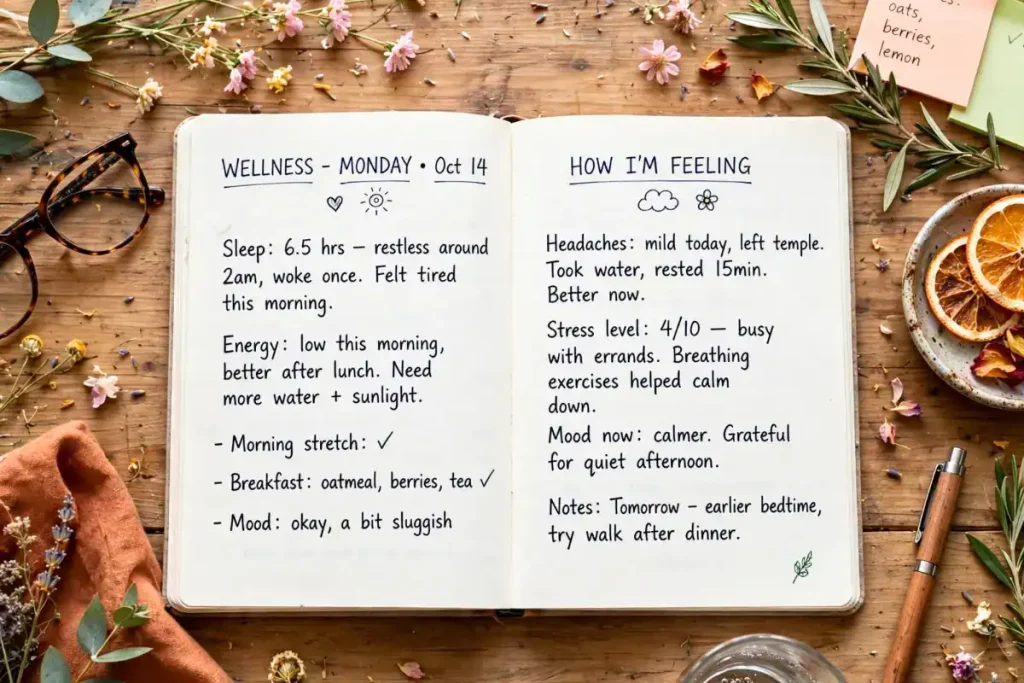
Start by checking in with yourself several times throughout the day. Where are you holding tension? How is your breathing? What’s your energy level? Are you experiencing pain, and if so, where and what quality? Notice these sensations without immediately trying to change them or assign meaning. Simply observe and acknowledge.
You might discover patterns you hadn’t recognized before. Perhaps your stomach always tightens before certain social situations. Maybe your shoulders creep toward your ears when you’re processing difficult emotions. Your jaw might clench when you’re suppressing anger or frustration. These physical cues can actually serve as early warning systems, alerting you to mental health needs before they escalate into crisis.
Tracking these patterns can be invaluable, both for your own understanding and for communicating with treatment providers. When you can say “I notice my heart rate increases and I feel nauseous every time I think about this situation” rather than just “I feel anxious,” you’re providing concrete information that can guide more targeted interventions.
Movement as Medicine for Mind and Body
The relationship between physical activity and mental health isn’t just about endorphins, though those certainly play a role. Movement helps regulate your nervous system, processing stress hormones that have built up in your body and literally shaking off tension that has become stored in your muscles and tissues.
You don’t need intense exercise to experience these benefits. Gentle movement—walking, stretching, yoga, tai chi, or even standing and swaying—can help reset your nervous system when you’re feeling overwhelmed. The key is finding movement that feels accessible and sustainable rather than punishing or obligatory.

For some people, vigorous exercise provides a necessary outlet for intense emotions and restless energy. For others, especially those dealing with trauma or severe depression, gentle movement feels more manageable and less triggering. There’s no single right approach—only what works for your unique body and circumstances.
Pay attention to how different types of movement affect your mental state. You might notice that walking outdoors shifts your mood differently than indoor exercise. Swimming might calm your anxiety more effectively than running. Dance might help you access and release emotions that talk therapy hasn’t quite reached. Your body has wisdom about what it needs—you just need to listen.
The Role of Sleep in Mental and Physical Health
Sleep disturbances are both a symptom and a cause of mental health challenges, creating another one of those frustrating feedback loops. Depression disrupts sleep architecture, and poor sleep worsens depression. Anxiety makes it hard to fall asleep, and sleep deprivation increases anxiety. Trauma nightmares fragment sleep, and fragmented sleep impairs trauma processing.
Your body performs essential maintenance during sleep—consolidating memories, regulating emotions, clearing metabolic waste from your brain, balancing hormones, and restoring immune function. When mental health issues interfere with sleep, all of these processes suffer, which then impacts your ability to cope with the very mental health challenges that disrupted sleep in the first place.
Improving sleep often requires addressing both the mental health symptoms and the sleep hygiene factors simultaneously. You might need support managing nightmares or intrusive thoughts that wake you. You might benefit from adjusting medication timing or types. You might need to establish more consistent sleep-wake times, even when depression makes you want to stay in bed all day or anxiety keeps you up all night.
The physical environment matters too. Your bedroom temperature, light exposure, noise levels, and comfort all influence sleep quality. Small changes—blackout curtains, white noise, cooler temperatures, comfortable bedding—can sometimes make surprising differences in your ability to get restorative rest.
Remember that sleep improvement rarely happens overnight (pun intended). You’re working against patterns that may have been established over months or years. Be patient with yourself as you experiment with different strategies and give changes time to take effect.

Nutrition’s Impact on Mental Health and Physical Symptoms
What you eat directly affects your brain chemistry, inflammation levels, energy availability, and gut health—all of which influence both mental health and physical symptoms. This doesn’t mean you can cure depression with a perfect diet, but nutrition is one modifiable factor that can support or undermine your overall wellbeing.
When you’re struggling mentally, eating well often feels impossible. Depression kills appetite or drives you toward comfort foods. Anxiety might make eating feel nauseating. Trauma responses might disconnect you from hunger cues entirely. Medications might alter your taste or appetite. These are real barriers, not failures of willpower.
Rather than aiming for perfection, focus on basic adequacy. Are you eating regularly enough to maintain stable blood sugar? Are you getting sufficient protein to support neurotransmitter production? Are you staying hydrated? Are you consuming enough variety to meet basic nutritional needs? These foundational elements matter more than any specific diet trend.
Some people find that certain foods or eating patterns affect their mental health symptoms. Caffeine might worsen anxiety for you. Sugar crashes might intensify mood swings. Skipping meals might trigger irritability or brain fog. Pay attention to your individual responses rather than following generic advice.
If you’re in recovery from substance use, nutrition becomes even more critical. Substances often deplete specific nutrients, and restoring nutritional balance supports both physical healing and mental health stability. Working with professionals who understand the nutritional needs of recovery can accelerate your healing process.
When to Seek Professional Support
You don’t have to wait until symptoms become severe before reaching out for help. In fact, earlier intervention typically leads to faster improvement and prevents the entrenchment of unhealthy patterns. If physical symptoms are interfering with your daily functioning, causing significant distress, or lasting more than a few weeks, it’s worth consulting with healthcare providers.
The challenge is finding providers who understand the mind-body connection and won’t dismiss physical symptoms as “just anxiety” or “just depression” without proper assessment. You deserve thorough evaluation that considers both medical and psychological factors. Sometimes physical symptoms do indicate medical conditions that need treatment. Other times, they’re manifestations of mental health struggles. Often, it’s both.
Integrated care teams that include medical providers, mental health clinicians, and other specialists can offer the most comprehensive assessment and treatment. When providers communicate with each other and share information, you’re less likely to fall through the cracks or receive contradictory advice.
Don’t hesitate to advocate for yourself if you feel your concerns aren’t being taken seriously. You know your body and your experience better than anyone else. If something feels wrong, keep asking questions until you get answers that make sense and lead to meaningful support.
Building Your Personal Toolkit
Managing the physical symptoms of mental health challenges requires a personalized toolkit of strategies that work for your unique situation. What helps your friend might not help you. What worked last year might not work now. This is an ongoing process of experimentation, adjustment, and learning.
Your toolkit might include breathing exercises for managing acute anxiety symptoms. Progressive muscle relaxation for releasing physical tension. Grounding techniques for disconnecting from dissociation or panic. Heat or cold therapy for pain management. Gentle stretching for restoring body awareness. Journaling for tracking patterns and processing emotions.
Build in multiple options so you have choices depending on your current circumstances. Some strategies work well at home but aren’t practical at work. Others require privacy or specific equipment. Having a range of tools means you’re more likely to find something accessible in any given moment.
Remember that using these tools isn’t a replacement for professional treatment when you need it, but they can complement professional care and give you some sense of agency over your symptoms. You’re not helpless in the face of these experiences—you have the capacity to influence them, even when you can’t control them completely.
Moving Forward with Compassion
Your body isn’t betraying you when it manifests physical symptoms of mental health struggles. It’s doing its best to cope with difficult circumstances, using the only mechanisms it has available. These symptoms are communication, not weakness. They’re information, not failure.
Healing happens when you can hold space for both the mental and physical aspects of your experience without judgment. When you can say “I’m experiencing chest tightness and racing thoughts right now” without adding “I should be over this by now” or “I’m being ridiculous.” When you can seek support without shame, knowing that what you’re experiencing is valid and deserving of care.
The path forward isn’t about eliminating all physical symptoms or achieving perfect mental health. It’s about developing a more compassionate relationship with yourself, building skills to manage difficult moments, and creating a life that supports your overall wellbeing even as you continue to navigate challenges.
You deserve care that sees you as a whole person—mind, body, and spirit interconnected and equally worthy of attention. You deserve providers who listen when you describe your experiences and believe you when you say something doesn’t feel right. You deserve support that meets you where you are rather than where you “should” be.
Your journey is uniquely yours, with its own timeline and trajectory. Trust that you’re moving forward even when progress feels invisible. Trust that seeking help is strength, not weakness. Trust that your body and mind can heal, even if that healing looks different than you imagined. You’re not alone in this experience, and you don’t have to navigate it alone.
Follow Me On Social Media:

Hi, I’m Gina — the creator behind Chronically Gina and Gina’s Printable Shop.
I create practical printables, wellness tools, and encouraging content to help make everyday life feel more manageable. Living with chronic illness has inspired me to share realistic routines, organization tips, meal planning ideas, and supportive resources for busy women, families, caregivers, and teachers.
My goal is to help you feel less overwhelmed and more supported with simple systems that work for real life — not perfection.